
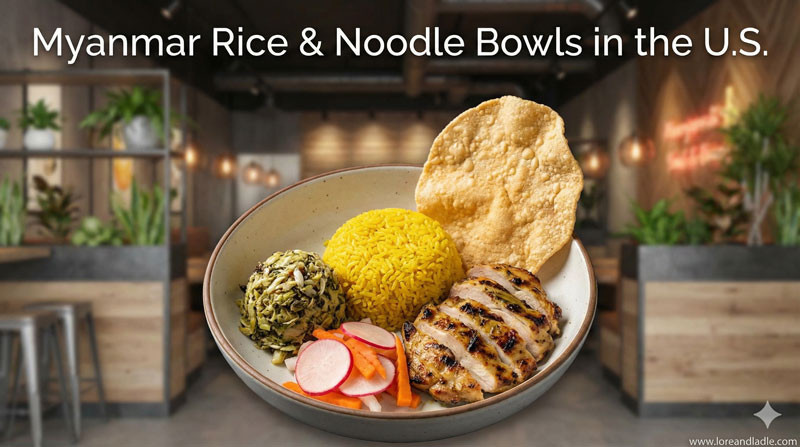
Ultimate Guide to Myanmar Rice & Noodle Bowls in the U.S. for U.S. Home Cooks
Myanmar rice and noodle bowls carry a quiet, vibrant charm. They celebrate fresh ingredients, balanced flavors, and thoughtful technique. This guide invites U.S. home cooks to explore Burmese bowls with curiosity and respect. You will find practical tips, ideas for sourcing ingredients in the United States, and simple ways to bring the beauty of Burmese bowls to your own table.
What defines Myanmar rice and noodle bowls?
Myanmar bowls center on one comforting foundation—rice or noodles—paired with a mosaic of toppings, broths, and sauces. The result is a bowl that feels bright, comforting, and complete in every bite. You may see bowls that start with steamed rice and crown it with savory curries, vegetables, and herbs. You may also see noodle bowls that mingle soft noodles with light broths or creamy coconut sauces. The common thread is a harmony of textures: tender grains or noodles, crisp vegetables, and a studious balance of salty, sour, and mild sweetness. In the United States, these bowls shine as weeknight favorites and weekend projects alike, inviting home cooks to layer flavor deliberately.
The core ingredients that define Burmese bowls
Key elements give Burmese bowls their character. Start with the base:
– Steamed jasmine rice or soft rice noodles.
Proteins and flavor boosters:
– Fish, chicken, tofu, or tempeh provide savory depth.
– Aromatics such as garlic, shallots, and fresh ginger add warmth.
Herbs, vegetables, and crunch:
– Fresh cilantro, sliced scallions, and dill deliver bright lift.
– Cabbage, bean sprouts, cucumber, or tomatoes add crispness.
– Crushed peanuts, fried shallots, and toasted sesame seeds give texture and aroma.
Sauces and seasonings:
– A balanced mix of fish sauce or a vegetarian alternative, lime juice, and a touch of palm sugar or sugar.
– Turmeric for color and earthy sweetness; chili for gentle heat.
– Coconut milk or coconut cream in creamy bowls, plus optional tamarind or lime zest for brightness.
These components come together in countless combinations, making each bowl feel both familiar and novel.
Techniques that elevate Burmese bowls at home
Good Burmese bowls rely on thoughtful technique. Try these simple practices:
– Toast spices lightly in oil to bloom their aroma before adding liquids.
– Simmer broths or curry bases gently to develop depth without dulling freshness.
– Layer flavors gradually: start with a warm base, add protein, then vegetables, and finish with bright herbs and crunch.
– Finish with herbs just before serving to keep their fragrance lively.
– Dry-fry garlic or shallots for crisp toppings that stay crisp as you eat.
The goal is balance. A little brightness from lime, a touch of sweetness from palm sugar, and a savory backbone from fish sauce or its substitute create a well-rounded bowl.
Building a Burmese bowl at home in the U.S.
Here is a simple approach you can use to assemble Burmese rice or noodle bowls in your kitchen:
– Choose a base: rice for a classic feel or rice noodles for a lighter, slipperier bite.
– Add a protein: shredded chicken with a light turmeric glaze works beautifully, or grab firm tofu for a vegetarian option.
– Build the veg and textures: include crisp cucumber, shredded cabbage, bean sprouts, and fresh herbs.
– Create a flavorful sauce: combine lime juice, fish sauce or soy sauce, a pinch of sugar, and a small amount of chili paste or fresh chilies.
– Finish with texture: a sprinkle of crushed peanuts or fried shallots adds dimension.
– Serve with a side of lime wedges and extra herbs for guests to customize.
For mohinga-inspired bowls or coconut-noodle variations, you can adapt by using a coconut curry base and rice noodles. The flexibility is part of the charm, so feel free to experiment with what you enjoy and what you can find locally.
Substitutions and accessibility in American kitchens
Sourcing Burmese ingredients is easier than ever, but you can adapt with confidence:
– Fish sauce substitute: use a high-quality soy sauce plus a splash of lime and a tiny pinch of seaweed powder or mushroom powder to add umami.
– For a vegan route: use soy sauce, tamari, or coconut aminos with a touch of miso paste or mushroom powder to mimic depth.
– Coconut milk alternatives: almond milk or oat milk can work, but you may want to add extra salt or a small amount of coconut extract for aroma.
– Noodles: rice noodles are widely available; if you can’t find them, thin spaghetti broken into short lengths can work in a pinch.
– Fresh herbs: cilantro and dill are common; if dill is scarce, substitute with mint or a small amount of Thai basil for brightness.
These substitutions keep the spirit of Burmese bowls intact while making them practical for U.S. home kitchens.
Sourcing and freshness in the United States
To bring Burmese bowls to life, consider these sourcing ideas:
– Local Asian supermarkets often carry rice, rice noodles, curry pastes, and fresh herbs.
– Ethnic markets can offer authentic fish sauces, dried shrimp, and tropical flavors.
– Online specialty shops provide Burmese Pantry Staples, especially for coconut products, dried spices, and unique chili pastes.
– Local farmers’ markets may supply fresh greens, dill, cilantro, and cucumbers for vibrant toppings.
– When in doubt, start with accessible staples like jasmine rice, a mild curry base, lime, garlic, and herbs. Build from there.
The cultural value and culinary significance
Myanmar rice and noodle bowls celebrate everyday life: family meals, seasonal produce, and a mindful approach to flavor. These bowls demonstrate how a simple plate can become warm storytelling—conveying care, tradition, and regional influence through texture, aroma, and balance. They invite cooks to practice patience in broths, precision in garnishes, and generosity in toppings. The result is a dish that feels welcoming to guests and comforting to the home cook who spends time layering flavors. Each bowl can tell a small story of Burmese home cooking, adapted for the U.S. kitchen while honoring the technique and spirit behind the bowls.
Quick-start plan for a weekend project
If you’re trying Burmese rice or noodle bowls for the first time, try this plan:
– Day 1: Make a simple fish or tofu bowl with rice, cucumber, herbs, and a bright lime-fish sauce drizzle. Use a quick turmeric-scented rice or a mild curry base.
– Day 2: Prepare a coconut noodle bowl with thin noodles, a coconut curry sauce, shredded chicken or tofu, and crisp toppings like fried shallots and peanuts.
– Day 3: Create a mohinga-inspired noodle bowl using a light broth, rice noodles, herbs, and a gentle fish-sauce-based seasoning.
Each day reinforces core techniques and demonstrates how flexible Burmese bowls can be.
Final thoughts: inviting exploration and celebration
Myanmar rice and noodle bowls offer a beautiful way to celebrate flavor, texture, and cultural craft in the home kitchen. By focusing on fresh ingredients, balanced seasonings, and thoughtful garnishes, U.S. home cooks can create bowls that feel both grounded and fresh. The process invites curiosity, respect for tradition, and joy in cooking. Whether you are chasing a comforting weeknight dinner or an inviting weekend project, these bowls welcome you to enjoy Burmese culinary artistry in your own home.