
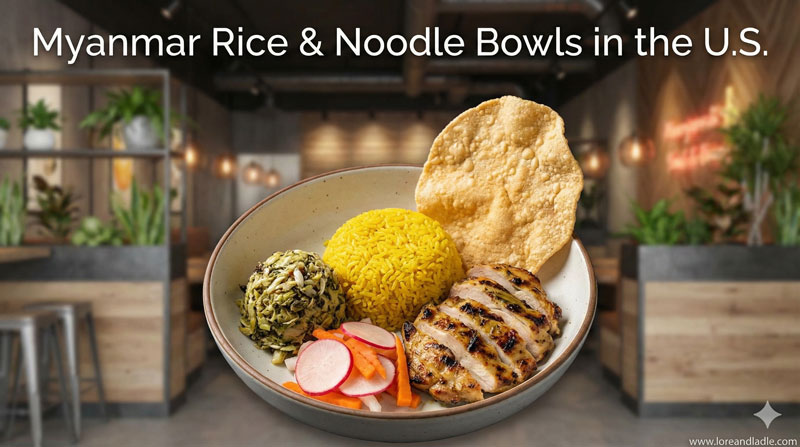
Flavor-Packed Myanmar Rice & Noodle Bowls: A Cultural Greeting
Flavor-Packed Myanmar Rice & Noodle Bowls are a celebration of Burmese cooking that travels with grace. in the United States, they offer a fresh, inviting way to explore Southeast Asian flavors. This dish blends two familiar bases—rice and noodles—into a single, harmonious bowl. It stands out for its balance of bright herbs, savory sauces, and textures that play off each other. The result is a meal that feels both comforting and exciting, a true cultural greeting on the table.
Burmese Flavor: The Heart of the Bowls
Burmese cuisine draws on a broad spectrum of tastes: tart, salty, savory, and a hint of sweetness. The rice and noodle bowls embody this balance. Aromatic garlic and shallots meet lime and fresh herbs, while fish sauce and, sometimes, fermented fish paste lend depth. A touch of turmeric or saffron threads can warm the color and aroma. The goal is a lively, layered flavor that remains approachable and clean on the palate. This is why the bowls feel both familiar and wonderfully new to American diners.
Ingredients That Sing
Key ingredients center the dish in Burmese flavor while inviting home cooks to improvise. Common elements include:
– Rice and rice noodles as the dual bases
– Fresh herbs such as cilantro, mint, and sometimes Thai basil
– Bright toppings: shredded cabbage, julienned carrots, cucumber, bean sprouts
– A bright dressing or sauce built from lime juice, fish sauce, a touch of tamarind or lime zest, garlic, and chili
– Textural contrast: roasted peanuts or sesame, crisp fried shallots, and scallions
– Optional proteins: sliced chicken, shrimp, beef, or tofu for vegetarian needs
– Optional aromatics: lemongrass or ginger to lift the aroma
These pieces come together to form a bowl that feels like a small, edible landscape—colorful, fragrant, and satisfying.
Techniques That Elevate Flavor
A few simple methods elevate the dish from everyday to impressive:
– Layering flavors: Start with a light, fragrant dressing; add a richer sauce later to keep brightness intact.
– Texture play: Combine soft noodles and rice with crisp vegetables and crunchy nuts.
– Temperature play: Serve warm bases with fresh toppings for a lively contrast.
– Gentle cooking: Sear proteins quickly for color and juiciness, avoiding overcooking.
– Fresh finish: A final squeeze of lime and a sprinkle of herbs tie the bowl together just before serving.
From Kitchen to Table in the U.S.
In American kitchens, these bowls translate well to home cooks and entertaining menus. They offer flexibility: you can tailor the spice level, swap proteins, or adjust the vegetables to suit seasonal produce. The bowls are visually appealing, making them ideal for guest-worthy plating. The combination of a familiar base (rice or noodles) with bright Burmese flavors creates an inviting bridge between cultures. This makes the dish a natural choice for gatherings where guests appreciate thoughtful, well-balanced meals.
Presentation: Beauty in Every Bowl
Presentation matters. A well-arranged bowl invites the eye and the palate. Use a generous mound of warm rice and/or noodles as the foundation. Arrange vegetables in a rainbow arc: greens, oranges, and pale whites. Scatter nuts for crunch and finish with fresh herbs and lime wedges. A light drizzle of the sauce or dressing adds sheen without overpowering the components. The goal is a bowl that looks vibrant, smells inviting, and offers a chorus of textures at first bite.
Pairings and Serving Ideas
To enhance the Burmese flavor profile, consider these serving ideas:
– Fresh herbs on the side for guests to add at the table
– A light cucumber-onion relish for extra brightness
– A gentle chili oil or hot sauce for those who like a kick
– A citrus wedge or two to accent the tang
– A simple cucumber-mint salad as a cool counterpoint
These pairings keep the focus on the bowls themselves while inviting guests to customize.
A Cultural Table: Sharing and Celebration
Food carries memory and meaning. These Burma-inspired bowls are more than a meal; they are a doorway to Burmese culinary traditions. Sharing such bowls can spark curiosity about regional flavors, cooking techniques, and the joy of balancing tastes. They emphasize hospitality, generosity, and the delight of presenting something crafted with care. In that sense, they fit naturally into gatherings that celebrate good food, good company, and the beauty of diverse culinary traditions.
Practical Tips for Home Chefs
- Start with a solid base: cook rice and noodles separately, then keep them warm but not sticky.
- Build a sauce that can be adjusted: start light, then add fish sauce or lime to taste.
- Prep toppings in advance: wash greens, slice vegetables, and toast nuts.
- Taste as you go: Burmese flavors benefit from balance—add brightness, then adjust salt.
- Keep it flexible: swap proteins or omit meat for a satisfying vegetarian version.
These tips help you create a polished, flavorful bowl with confidence.
Final Thought: The Beauty of Burmese Food in the U.S.
Flavor-Packed Myanmar Rice & Noodle Bowls bring a rich, flavorful tradition to American tables. They celebrate the artistry of Burmese ingredients, the skill of careful technique, and the joy of sharing a vibrant, comforting meal. Whether served as a weeknight dinner or a showpiece for guests, these bowls reveal the beauty of Burmese food and its enduring appeal. They invite everyone to savor a balanced, fresh, and deeply satisfying eating experience.