
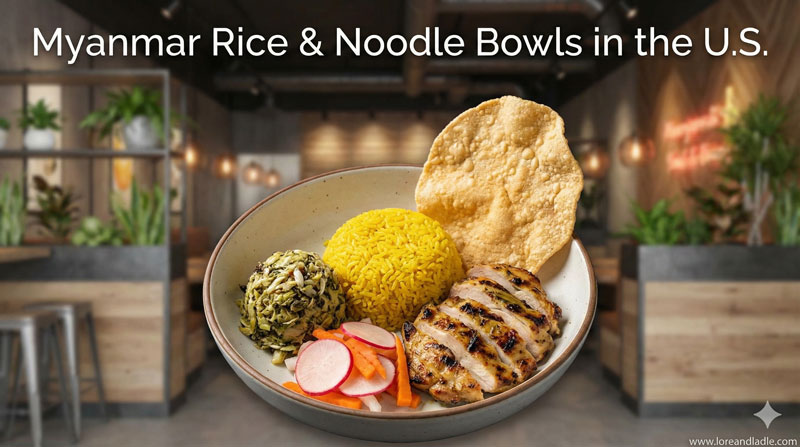
Introduction
How to Serve Myanmar Rice & Noodle Bowls in the U.S. for Weeknight Dinners invites you into a gentle kitchen tradition. This dish is more than a meal; it is a quiet celebration of balance, freshness, and shared plates. In Myanmar, bowls like these embody a daily approach to food: simple ingredients brought together with thoughtful technique to create something comforting, nourishing, and memorable. This post explores the cultural value and culinary significance of the bowls, while offering practical ideas for bringing their beauty to busy weeknights in the United States. Expect bright acidity, warm aromatics, and the satisfying contrast of textures that invite lingering at the table.
The Essence of Myanmar Rice & Noodle Bowls
Myanmar cuisine centers on harmony. A single bowl can carry a spectrum of flavors—savory, tangy, nutty, and a touch of sweetness—without feeling heavy. Rice and noodles are both everyday staples, so these bowls honor a culinary rhythm that many households recognize: quick assembly, fresh ingredients, and a finish that feels elevating yet approachable. The bowls demonstrate a generous spirit of hospitality. They welcome customization, letting each person craft a personal balance of heat, brightness, and aroma. In this way, the dish mirrors Myanmar’s appreciation for fresh herbs, crisp vegetables, and quick sauces that brighten a meal without overpowering the core ingredients. The result is a comforting, weeknight-friendly format that still carries the soul of a traditional kitchen.
Core Components: Building Blocks of the Bowl
A well-constructed Myanmar rice & noodle bowl rests on a few reliable pillars:
- Base elements: Steamed jasmine rice and soft rice noodles provide a neutral canvas. The light fragrance of jasmine rice is a hallmark, while rice noodles offer a chewy counterpoint that catches sauces beautifully.
- Protein options: Chicken, shrimp, eggs, or tofu adapt easily to weeknight schedules. A quick sear or a gentle poach preserves tenderness and keeps the cooking times short.
- Crisp vegetables: Shredded cabbage, cucumbers, carrot ribbons, and bean sprouts bring crunch and freshness. A handful of herbs adds lift.
- Aromatics and sauce: Garlic, shallots, and a bright finish from lime or tamarind set the flavor backbone. A light peanut or sesame sauce can thread sweetness and nuttiness through the bowl.
- Finishing touches: Crushed peanuts or sesame seeds, fried shallots, and a sprinkle of chili give texture, aroma, and a gentle kick.
These components come together so that weeknight cooks can assemble bowls quickly while still delivering the layered flavors that define Myanmar cooking. The beauty lies in balance: a little sharp acidity, a soft base, a tangy-sweet sauce, and a crisp, colorful topping.
Flavor and Techniques: The Sauce and Aromatics
Sauces in Myanmar bowls often hinge on brightness and balance. A good approach is to combine a few elements in a simple, customizable mix:
- A tangy component: Fresh lime juice or a touch of tamarind adds a bright edge that wakes the palate.
- A savory backbone: Fish sauce or a soy-based sauce creates deeper umami. Use sparingly to avoid overpowering the dish.
- A nutty accent: A quick peanut butter or sesame-based sauce brings richness; a little goes a long way.
- A fresh lift: Chopped cilantro, mint, and sliced green onions add green notes that refresh the finish.
- A textural finish: Crushed peanuts, fried onions, or sesame seeds provide crunch and aroma.
Technique matters as well. Keep the aromatics lightly fried to release fragrance without browning harshly. Toss vegetables with a light splash of lime and salt to brighten them just before serving. When finishing the bowl, drizzle the sauce lightly and evenly, so every bite carries a touch of the characteristic blend rather than a heavy layer at the top.
Weeknight Ready: Prep, Storage, and Assembly
Time is a crucial factor in weeknight cooking. Here are practical tricks to keep Myanmar bowls efficient without sacrificing depth of flavor:
- Batch the base: Cook a batch of jasmine rice and have rice noodles ready in portions. Store in the refrigerator for a few days, then reheat gently with a splash of hot water to loosen.
- Pre-cut toppings: Slice vegetables and chop herbs in advance. Store in airtight containers; a quick rinse before serving revives their color.
- Sauces on hand: Prepare a simple sauce mix that can be stirred into bowls as needed. Keep a small jar of lime juice, a bottle of fish sauce, and a mini jar of peanut butter nearby for quick flavor bursts.
- Proteins in minutes: Sauté or poach proteins in under 10 minutes. Let them rest briefly to stay juicy, then slice or dice for bowls.
- Assembly line: for Busy evenings, set up a quick assembly line. Base, protein, vegetables, herbs, sauce, and toppings land in sequence, making the process fast and satisfying.
These steps keep the heart of the dish intact while offering practical, time-saving options for U.S. kitchens. The result is a meal that feels both special and appropriate for weeknights.
Sourcing and Substitutions in U.S. Kitchens
A Myanmar-inspired bowl can shine with ingredients found in many markets. Here are tips to help you gather what you need:
- Grains and noodles: Jasmine rice is widely available; use any long-grain rice if needed. Rice noodles are common in Asian markets and many grocery stores. If you can’t find rice noodles, thin egg noodles are a good substitute.
- Sauces and seasonings: Fish sauce provides the essential umami. If you prefer not to use animal products, try a mushroom-based soy sauce or a light miso seasoning as an alternative with a similar savory edge.
- Fresh produce: Cabbage, cucumbers, carrots, and bean sprouts are common and affordable. Fresh herbs such as cilantro and mint brighten the bowl, while green onions add a crisp, peppery note.
- Nuts and seeds: Peanuts are typical for texture and depth. If you have a peanut allergy, substitute with crushed almonds or sesame seeds for a different but still satisfying crunch.
- Aromatics and brightness: Lime is a staple for acidity. If limes are scarce, lemon juice works in a pinch, though lime has a softer brightness that fits this dish well.
- Substitutions and flexibility: Use whatever greens and vegetables are in season or already in your fridge. The core idea is balance and freshness, not a fixed set of ingredients.
By embracing flexibility, you can keep the dish approachable while preserving its distinct Burmese flavor profile. The bowls reward thoughtful substitutions that preserve texture and brightness, ensuring weeknight dinners stay exciting.
Presenting with Care: Plating, Pairings, and Social Rhythm
Presentation matters as a part of cultural appreciation. These bowls benefit from a clean, colorful plate or bowl, generous spacing of components, and a bright finish of herbs and citrus. Consider these simple touches:
- Layer thoughtfully: Start with a bed of rice and noodles, add protein, then the vegetables, and finish with herbs and a light drizzle of sauce.
- Color and aroma: Use a mix of green herbs, pale vegetables, and a few bright lime wedges to create visual appeal and scent.
- Texture variety: A final sprinkle of crushed peanuts or fried onions adds a satisfying crunch to each bite.
- Pairings: A light cucumber salad or a tangy pickled vegetable can complement the bowls without competing with their flavors. A chilled green tea or a jasmine-scented beverage can enhance the tasting experience.
In Myanmar kitchens, such bowls are often shared among family and friends. The act of building bowls together, choosing toppings, and passing sauces around creates a simple ritual of hospitality. This social dimension enriches weeknight dining, turning a routine meal into a moment of connection.
The Cultural Value and Culinary Significance
Myanmar Rice & Noodle Bowls carry cultural value in several meaningful ways. They honor the everyday act of feeding family with care and attention. They celebrate the balance of flavors that Burmese cooks have refined: a bright acidity that cuts through richness, a salty umami depth that anchors the dish, and a sweet or nutty note that rounds the palate. The bowls also reflect a culinary philosophy that values freshness, speed, and customization. A weeknight bowl becomes a canvas for personal taste while retaining a shared identity rooted in comfortable, nourishing food.
The culinary significance lies in how these bowls fuse simplicity with sophistication. The base ingredients are ordinary, but the resulting bowl radiates a sense of place and tradition. The use of fresh herbs, crunchy vegetables, and a tailored sauce demonstrates the skill of layering flavors without complexity. This approach is accessible to home cooks in the U.S. while still carrying the essence of Myanmar’s culinary character. In tasting, you may sense the careful attention to texture and brightness that defines Burmese cooking. The bowls invite curiosity, encouraging cooks to explore regional variations, while remaining grounded in a familiar comfort for weeknights.
A Final Reflection: Embracing a Beautiful, Nourishing Practice
For weeknight dinners in the United States, Myanmar Rice & Noodle Bowls offer a thoughtful bridge between tradition and modern life. They are flexible, quick, and deeply satisfying. They honor fresh ingredients and bright seasonings, while inviting personal expression at the table. This dish embodies a respectful and inviting approach to cooking: a simple recipe that flourishes with attention, care, and shared meals. By embracing its cultural value and culinary significance, you invite warmth, conversation, and nourishment into your home—one colorful bowl at a time.