
Introduction
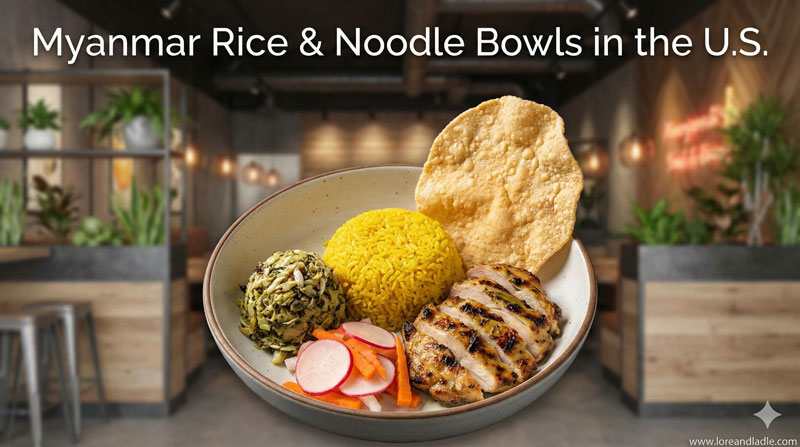
High-Flavor, Low-Effort Myanmar Rice & Noodle Bowls in the U.S. for Busy Days invites readers to savor Burmese artistry in quick meals. This dish showcases how careful technique and bright ingredients can turn a simple bowl into a cultural celebration. It thrives on balance: warmth from a savory sauce, aroma from fresh herbs, and lightness from crisp vegetables. The result is comforting, expressive, and easy to Make during a hectic week.
The heart of the bowls
At the core, the dish blends soft grains of rice or chewy noodles with a savory, layered sauce. Burmese flavors arrive through a chorus of elements: a salty-sour shim from fish sauce and lime, a gentle sweetness from a touch of sugar or palm sugar, and a kick from chili. Fragrant garlic and shallots wake up the pan, while herbs add brightness. This combination highlights a key idea in Burmese cooking: depth without heaviness. A well-made bowl feels both grounded and lively, inviting you to take a longer, appreciative bite even on a busy day.
Essential ingredients and flexible substitutions
- Base: Jasmine rice for a light, fluffy texture, or rice vermicelli for a sleeker, noodle-forward bowl.
- Sauce notes: fish sauce or a soy-based substitute, lime juice for acidity, a touch of sugar, and a pinch of pepper.
- Aromatics: garlic, shallots, and a hint of ginger or lemongrass to lift the dish.
- Fresh lift: cilantro, mint, or Thai basil for fragrance and color.
- Texture accents: crunchy vegetables such as cucumber, shredded cabbage, or bean sprouts; optional peanuts or sesame seeds for a nutty finish.
- Optional protein: sliced chicken, shrimp, fried tofu, or a soft-boiled egg. Each protein choice keeps the dish within reach for a weekday dinner.
This dish shines when you adapt it to your pantry. If ngapi (fermented fish paste) feels unfamiliar, you can use a lighter alternative like a small amount of fish sauce mixed with a squeeze of lime. The goal is to preserve the bright, savory backbone while keeping the preparation straightforward.
Texture, balance, and sensory appeal
Textural contrast matters. The creamy softness of rice or noodles pairs with crisp vegetables for a pleasing bite. Herbs release fresh perfume as you lift the spoon. A final drizzle of sauce ties everything together, creating a harmonious balance of salty, sour, and aromatic notes. This balance is a hallmark of Burmese cooking done with speed in mind. You taste depth with each bite, even though the dish came together quickly.
Techniques that save time without sacrificing flavor
- Cook in batches: prepare rice and a batch of noodles ahead of time. Store them separately for quick bowls later in the week.
- Layer sauces: whisk a simple sauce in minutes, then taste and adjust with lime and a touch of sugar. A small amount goes a long way.
- Quick sear: sear proteins in a hot pan just until browned. Rest briefly, then slice and top the bowls.
- Fresh finish: chop herbs just before serving to preserve aroma. Add vegetables at the last moment for crisp color.
- Assembly line approach: lay down rice or noodles, add toppings, drape with sauce, finish with herbs and nuts. A calm, deliberate routine makes busy days feel smoother.
How the bowls fit into U.S. kitchens
In American homes, these bowls adapt to a fast-paced rhythm without losing soul. They suit lunch boxes and weeknight dinners alike. The base—rice or noodles—offers familiar comfort, while the Burmese flavor profile introduces a bright, savory dimension. Because the ingredients are flexible, cooks can tailor the bowls to family preferences, dietary needs, or seasonal produce. The result is a modest, reliable meal that still feels culturally rich and thoughtfully prepared.
Cultural value and culinary significance
This dish embodies how Burmese flavors can travel and enrich everyday cooking. It honors a tradition of balance—seasoning, aroma, and freshness—translated into a format that serves modern life. The bowls celebrate the idea that good food can be fast and deeply satisfying. They invite cooks to explore layering techniques, building flavor in stages rather than all at once. By using familiar pantry items with a touch of Burmese flair, the dish becomes a welcoming entry point to a broader culinary world.
The beauty here lies in accessibility. You can start with a simple plate of rice and add a few spoonfuls of a bright, zesty sauce. Then you discover how a handful of herbs can shift the entire experience. The bowls encourage mindful cooking: choosing ingredients with intention, preparing them efficiently, and savoring the moment when the flavors bloom in the bowl.
This approach also honors the universal love of shared meals. A family dinner, a friend’s quick lunch, or a solo rush home from work can all become occasions to enjoy Burmese-inspired nourishment. The dishes remind us that culture is not only in grand feasts but in the small, daily acts of cooking with care.
How to personalize and celebrate regional nuance
- Add texture: garnish with fried onions for sweetness and crunch.
- Tailor heat: adjust chili according to taste, from a gentle glow to a bold finish.
- Play with herbs: a mix of cilantro, mint, and basil creates a brighter aroma and color.
- Explore toppings: a sprinkle of toasted sesame seeds, crushed peanuts, or a dash of sesame oil elevates the finish.
- Swap proteins: chicken and shrimp work well, while tofu keeps the dish fully vegetarian.
The dish invites experimentation while keeping the core idea intact: a fast, flavorful bowl that foregrounds Burmese culinary sensibility—simplicity, balance, and joyful aroma.
Closing thoughts
High-Flavor, Low-Effort Myanmar Rice & Noodle Bowls offer a warm invitation to celebrate Burmese flavors in everyday life. They demonstrate that cuisine can be both quick and meaningful. By carefully layering ingredients, embracing bright herbs, and keeping the process efficient, cooks in the U.S. can enjoy a dish that is as comforting as it is culturally expressive. If you seek a meal that respects tradition while fitting a busy schedule, these bowls welcome you with open arms and a satisfying, flavorful finish.