
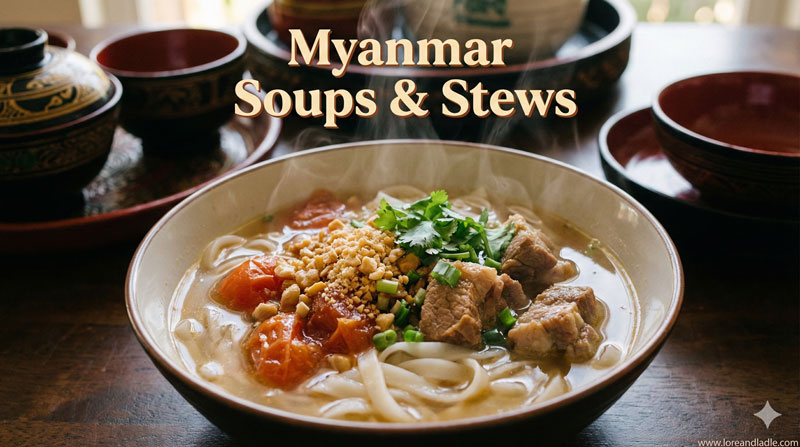
A Warm Welcome to Better Lunches at Home with Myanmar Soups & Stews
Better Lunches at Home with Myanmar Soups & Stews invites you to discover a daily ritual rich in aroma, texture, and meaning. In Burma’s kitchens, bowls carry more than nourishment; they carry story, care, and hospitality. This guide highlights the cultural value and culinary significance of these soups and stews, showing how a simple lunch can become a thoughtful practice.
Cultural Value at the Table
Lunch is a generous pause in the day. Families gather, neighbors drop by, and a steaming bowl acts as a welcome. Sharing a pot of soup or a pot of stew signals care and connection. The act of ladling onto bowls creates quiet rituals: you observe the aroma rise, you smile at the first taste, you pass the spoon with a nod. In Myanmar cuisine, soups and stews are a bridge between ingredients and memory. They reflect season, pantry, and people. This is food as conversation, comfort, and continuity.
Culinary Significance: Core Flavors and Techniques
Myanmar soups and stews lean on clear technique and balanced flavor. A good broth forms the heart of the dish, built from slow simmering and careful skimming. Aromatics like lemongrass, garlic, shallots, ginger, and turmeric layer warmth and brightness. Coconut milk or fermented pastes lend depth, while lime juice and fresh herbs brighten the finish. Proteins range from fish and chicken to vegetables and legumes, each bringing its own texture and aroma. The result is a bowl that can be airy and delicate or rich and hearty, always expressive of the cook’s intention and the ingredients at hand.
Technique matters here. Blooming aromatics in oil releases essential oils and perfume. Simmering gently builds flavor without harshness. Clarifying or lightly straining preserves a clean broth when the goal is a bright, comforting sip. Textures vary—from silky broths to tender chunks, from noodles to starch-thickened stews. The interplay of salty, sour, spicy, and faint sweetness creates a signature balance that is distinctly Burmese and deeply satisfying.
Regional Inspirations Within Myanmar
Myanmar’s regions offer a tapestry of tastes that feed the lunch table. Coastal areas emphasize fish and coconut, yielding broths that feel ocean-fresh and gently sweet. Inland regions showcase tangy notes from tamarind or lime, with heartier textures from pulses and root vegetables. Mountains and upland areas contribute earthier profiles, punctuated by herbs and roasted spice. Across villages and towns, cooks adapt recipes to what is fresh and affordable, transforming common ingredients into memorable bowls. This regional mosaic helps explain why a single dish can glow with subtle differences yet retain a shared spirit of warmth and hospitality.
Signature Dishes and Everyday Lunches
Several familiar motifs anchor Myanmar soups and stews. A fish-based broth with lemongrass and ginger can become a delicate, nourishing soup. A coconut milk–stoked stew offers comfort and richness. A tangy, tomato- or tamarind-laced broth introduces brightness and freshness. While Mohinga is widely celebrated in the broader spectrum of Burmese soups, it is but one example of how a bowl can carry morning energy into lunch, morphing with scent and spice as the day unfolds. Each bowl demonstrates how flavor is built layer by layer, and how a simple combination of ingredients can create a story on the palate.
Preparing Better Lunches at Home: Practical Inspiration
To honor the cultural value of these dishes, approach lunch as a mindful practice. Start with a plan: choose a base broth, select a protein or vegetables, and decide on a finishing touch. Build flavors in steps: bloom aromatics, add stock, simmer slowly, and adjust seasoning at the end with a squeeze of lime or a sprinkle of herbs. Aim for balance: brightness from citrus, warmth from spices, and savoriness from salty elements. Serve with fresh herbs, crisp accompaniments, and a respectful pace that invites conversation.
- Stock wisely: prepare a few liters of broth at a time and freeze in portions for quick lunches.
- Layer aromatics: onions, garlic, ginger, and lemongrass create a fragrant foundation.
- Finish with brightness: lime or lime juice lifts the dish and invites enjoyment.
- Respect textures: pair smooth broths with tender proteins and a contrast of greens or noodles.
- Pair thoughtfully: a simple salad or pickled vegetables can complement the soup or stew.
A Feast of Simplicity and Grace
What makes these dishes truly enduring is their blend of simplicity and grace. The kitchen becomes a place of care, where routine ingredients become a quiet celebration of everyday life. The beauty lies in the balance: a clear broth glowing with herbs, a creamy stew offering comfort, and the rhythmic cadence of spoon and bowl. These bowls teach patience, nurture generosity, and honor the senses—so lunch becomes more than a meal; it becomes a practiced appreciation for flavor, home, and community.
Closing: An Invitation to Taste and Share
If you seek a meaningful lunch experience, explore Myanmar soups and stews as a cultural practice and culinary craft. Start with a simple pot, invite a friend or family member, and let the aromas guide the moment. You will discover how a humble bowl can celebrate daily life, connect generations, and elevate the ordinary into something warmly memorable. Better Lunches at Home with Myanmar Soups & Stews invites you to taste, share, and slow down just enough to savor the beauty of tradition and technique in every bite.