
Introduction
Better Lunches at Home with Myanmar Street Food & Snacks invites you to explore a vibrant way of eating, right in your own kitchen. This dish centers on the easy joy of everyday meals, where street flavors meet home comfort. It honors the rhythm of daily life, the freshness of local ingredients, and the artistry of simple techniques. Here, lunch becomes a celebration of color, aroma, and texture, crafted to be shared with family and friends in a relaxed setting. The goal is clear: bring the lively spirit of Myanmar street dining into the heart of the home, with respect for the food’s natural beauty and origin.
The Heart of Myanmar Street Foods
Myanmar street food and snacks cover a broad, welcoming spectrum. The day often begins with a bowl or a plate that carries warmth, scent, and balance. Think of bright noodle soups, crisp fried bites, tangy salads, and fragrant pastes that wake the palate. Common elements include rice or noodles as starch foundations, fresh herbs like coriander and scallions, and a bright splash of lime or tamarind for zing. Aromatics such as garlic, shallots, turmeric, and lemongrass layer through each dish, creating depth without heaviness. Condiments like ngapi (fermented fish paste) or fish sauce provide a savory backbone, while peanuts, sesame, or toasted sesame oil introduce nuttiness. The result is a culinary conversation—a fusion of warmth, brightness, and comforting familiarity that makes lunch feel both special and approachable.
Techniques and Flavor Play
The craft behind these foods emphasizes balance and technique. A simple broth must carry clarity and fragrance, so simmering with gently crushed aromatics releases flavor without muddiness. Fresh herbs are added at the end to preserve their brightness. Textures matter: a crunchy topping, a silky noodle, and a tender piece of grilled fish or mushroom create a satisfying contrast. Spices are used with restraint, allowing sweet, sour, salty, and umami notes to sing together. You’ll notice a preference for bright sourness from lime or tamarind, a mild sweetness from palm sugar, and a savory backbone from fish products or soy-like seasonings. These choices give the dishes a distinctive, approachable elegance that translates well to Home Cooking.
Cultural Value of Lunch at Home
Lunch is a daily stage for sharing, care, and connection. In many homes, a well-prepared midday meal invites conversation, invites a pause, and marks a moment to regroup before the afternoon. Better Lunches at Home with Myanmar Street Food & Snacks celebrates this cadence by offering recipes and ideas that are practical for a busy day yet rich in story and tradition. The dishes honor ingredients sourced from local markets, reflect seasonal produce, and invite cooks to experiment with textures and herbs. The result is not just food; it is a bridge to a broader culinary culture, a way to appreciate street-side creativity, and a reminder that good meals can be both fast and deeply satisfying. This approach respects the dignity of the ingredients and the skill of the cooks who brought these flavors to life on bustling streets.
Getting Started at Home
To bring these flavors to your table, begin with simple staples and build from there. Here are practical steps:
– Choose a central dish, such as an Mohinga-inspired noodle bowl, as the anchor for your lunch.
– Stock a small toolkit of essentials: a wok or wide skillet, a mortar and pestle, fresh herbs, lime, garlic, shallots, turmeric, and a few key condiments (fish sauce or ngapi, chili, and a mild sugar).
– Plan matches: pair a bright main with a crisp salad or snack plate for texture variety.
– Taste and adjust: finish with lime or tamarind to sharpen the tang, and a touch of sweetness to round the palate.
– Present with care: arrange components in bowls or small plates to highlight colors and textures.
A Sample Menu for Better Lunches
Here is a simple, balanced sample menu you can start with at home:
– Main: Mohinga-inspired noodle bowl. A clear fish broth pours over soft rice noodles, layered with shredded fish, purple onion, lemongrass, and a garnish of fresh cilantro and lime.
– Side: Lahpet Thoke-inspired tea leaf salad. Mix tender tea leaves with peanuts, sesame, fried shallots, and a light citrus–honey dressing for a refreshing counterpoint.
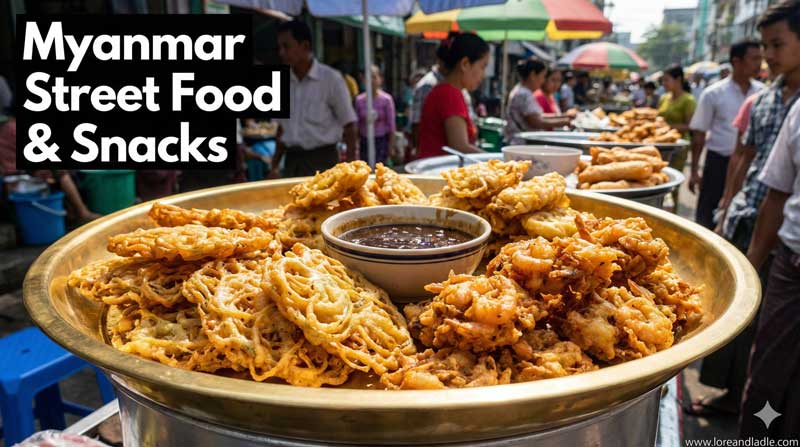
– Snack: Crispy fritters or light, savory fritter bites made with vegetables and a hint of spice. They provide a satisfying crunch between bites of noodle and salad.
– Beverage: A cool, bright lime and ginger refresher or a gentle mint-infused water to cleanse the palate.
This menu demonstrates how a single culinary idea can translate into a comforting, shareable lunch that feels both everyday and special. It emphasizes color, aroma, and texture, inviting cooks to customize with what’s fresh in their markets.
Techniques for a Confident Home Kitchen
- Layer aromas: start with a mild base of onion and garlic, then add turmeric or lemongrass for a brighter note.
- Control salt and sour: add lime juice or tamarind gradually, tasting as you go.
- Preserve brightness: finish with fresh herbs at the very end to keep their flavor sharp.
- Balance textures: include at least one crisp element (toasted seeds or fried shallots) with softer components (noodles or steamed greens).
- Adapt for your space: if you don’t have ngapi, use a small amount of fish sauce with a touch of miso for depth.
Final Thoughts
Better Lunches at Home with Myanmar Street Food & Snacks offers more than recipes. It provides a doorway into a culinary style that prizes freshness, balance, and a sense of place. By cooking with intention and curiosity, you can recreate the charm of Myanmar street dining in your own kitchen, turning ordinary lunches into meaningful experiences. Embrace the colors, savor the aromas, and enjoy the sense of connection that comes from sharing a meal that honors tradition while inviting personal creativity. This is cuisine that feels welcoming, respectful, and endlessly rewarding.