
Introduction
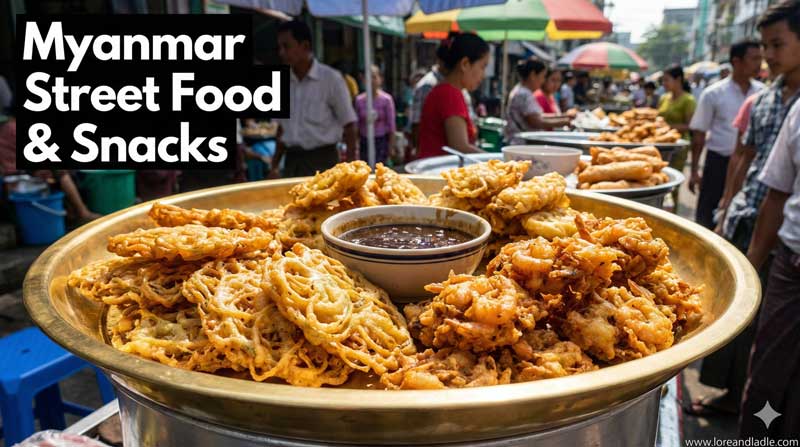
Welcome to the Ultimate Guide to Myanmar Street Food & Snacks for U.S. Home Cooks. This post centers on the cultural value and culinary richness of Myanmar’s street bites. It explores how simple, everyday foods tell stories of seasons, markets, and shared meals. The goal is to inspire home cooks in the United States to savor authentic flavors with clarity, respect, and joy.
What makes Myanmar street food special
Myanmar street food is a living map of regional produce and neighborhood traditions. From river deltas to highland towns, stalls showcase fresh herbs, tangy citrus, roasted nuts, and smoky grills. Food here invites people to pause, taste, and connect. The experience is tactile: the crackle of fried crust, the steam of a steaming bowl, the bright pop of lime juice. Meals are often built for sharing, making gatherings around a plate feel warm and welcoming. The beauty lies in balance—sweet, sour, salty, and spicy all harmonizing in a single bite. This balance is not just technique; it is a reflection of everyday life and hospitality.
Core techniques behind the dishes
At the heart of Myanmar street food are simple, repeatable techniques. Stir-frying quickly over high heat preserves aroma and texture. Steaming softens vegetables and creates delicate bases for sauces. Frying adds crunch and depth, while grilling brings smoke and warmth. Fermentation, too, plays a quiet but vital role, deepening flavor and adding complexity. Fresh herbs—cilantro, mint, and lemongrass—lift dishes with brightness. Aromatics like garlic, shallots, and chilies provide punch without overwhelming balance. The resulting dishes feel approachable yet refined, designed for easy execution in bustling markets and quiet home kitchens alike.
A flavor compass for home cooks
Myanmar flavors invite exploration through a few guiding notes. The sour edge often comes from lime or tamarind, while the salty depth can come from fish paste or soy-based paste. Nuts and seeds deliver texture, often finished with a squeeze of citrus for lift. Sweet elements may come from palm sugar or ripe fruits. Spices are fragrant, not overpowering, allowing vegetables, fish, and rice to sing together. When you cook at Home, start with a small amount of a bold ingredient, then build. Taste and adjust as you go. This method keeps the spirit of street food intact while letting you tailor a dish to your kitchen.
Home-friendly ideas and pantry staples
To bring the essence of Myanmar street food into a U.S. kitchen, equip your pantry with a few staples:
– Fresh herbs: cilantro, mint, lemongrass stalks
– Aromatics: garlic, shallots, dried red chilies
– Sauces and pastes: fish sauce or a mushroom-based substitute, tamarind paste, sesame oil
– Grains and bases: jasmine rice, rice flour, chickpeas
– Nuts and seeds: roasted peanuts, sesame seeds
– Fresh produce: limes, tomatoes, cabbage, greens
– Fermentation flavors: a small jar of fermented fish paste (ngapi) or a milder alternative if preferred
With these building blocks, you can recreate the brightness and depth typical of Myanmar street fare. For substitutions, use accessible alternatives from your local market—fish sauce for saltiness, lime for brightness, and toasted sesame oil for nutty aroma. The aim is to echo the spirit of the street while keeping dishes approachable.
Simple, home-ready snack ideas
If you want quick, home-friendly explorations, try these approachable concepts:
– A tea-leaf inspired crunch: mix chopped greens with a light sesame oil, lime juice, and toasted seeds for a bright, tangy bite.
– A crisp, savory fritter: blend mashed chickpeas with minced shallots, garlic, and herbs, then pan-fry until golden.
– A citrus-sparkled salad: combine shredded cabbage with herbs, peanuts, and a tamarind-lime dressing for a fresh, crunchy snack.
These ideas honor the culture with respectful adaptation, making it easier to enjoy Myanmar flavors in your own kitchen.
Serving tips and presentation
Myanmar street foods shine when served with warmth and a sense of place. Present snacks on small plates or bowls, with a squeeze of lime and a sprinkle of fresh herbs. Offer a simple chili-garlic sauce on the side for those who like a kick. Pair meals with a cold glass of Myanmar-style tea or a light, refreshing drink to balance the spices and richness. The key is hospitality: offer friends and family a small sample, and let everyone share in the aroma and texture.
A lasting celebration of culture and craft
This guide is about more than taste. It honors the patience of cooks who blend fresh ingredients with traditional methods. It celebrates markets as community hubs where neighbors meet, trade stories, and discover new flavors. It highlights craftsmanship—the careful toasting of nuts, the precise chop of herbs, the timing of a perfect stir-fry. When you cook Myanmar street food at home, you participate in a cultural practice that values generosity, balance, and curiosity.
Conclusion
The Ultimate Guide to Myanmar Street Food & Snacks for U.S. Home Cooks invites you to explore with care and enthusiasm. The dishes reflect a culture that cherishes shared meals, seasonal ingredients, and simple, honest techniques. As you bring these flavors into your kitchen, you honor the beauty of Myanmar’s street food and its enduring culinary significance. Enjoy the journey, taste with intention, and celebrate the everyday artistry of Myanmar’s food.