
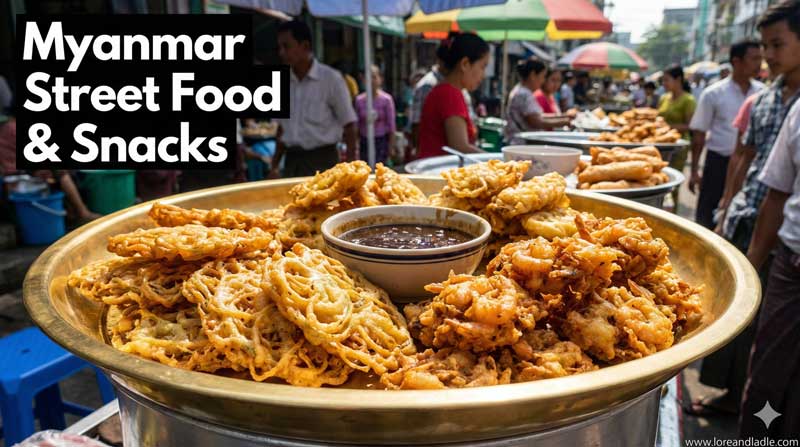
Myanmar street food is a vivid tapestry of everyday flavors. This guide explores How to pair beloved street bites with rice, noodles, and sides. The aim is to celebrate cultural richness and culinary significance. You will discover how Simple Ingredients become memorable pairings, how textures converse, and how aroma guides the palate.
Understanding the Flavor Palette of Myanmar Street Food
Myanmar street foods balance sweet, sour, salty, and savory notes. Fresh herbs add brightness, while dried fish pastes and chilies provide depth. A single bite often blends multiple sensations: a crisp exterior, a juicy interior, and a lingering finish of lime, garlic, or sesame. When you pair these bites with rice or noodles, you create a harmony that honors the original cook’s intention. The key is to notice contrasts (crunch with softness) and complements (green herbs with fat-rich snacks).
Pairing with Rice: The Foundation for Harmony
Rice is the everyday stage for Myanmar flavors. White jasmine rice offers a clean backdrop, while sticky rice invites a touch of sweetness. Pair a salty, savory snack with the gentle neutrality of rice to let each bite shine. For spicy snacks, a handful of rice can temper heat without dulling aroma. Add a squeeze of lime or a sprinkle of crushed peanuts to lift the dish. In short, rice acts as a flexible partner that stabilizes bold flavors and invites second bites.
Pairing with Noodles: Textures and Comfort
Noodles bring comfort and a different texture profile. Rice noodles mingle with broths, while egg noodles carry a richer mouthfeel. When you pair street snacks with noodles, consider the broth or sauce. A crisp fried bite adds welcome contrast to a silky noodle bowl. A tangy pickled element or a fresh herb can brighten the dish mid-meal. The goal is to let noodles carry the aroma while snacks add texture and a burst of surprise with each mouthful.
Pairing with Sides: Dips, Pickles, and Crunch
Sides enrich the plate with color and crunch. Fresh vegetables, herb sprigs, and citrus wedges provide lift between bites. Dips and pastes, such as sesame oil-based sauces or light chili blends, bring warmth without overpowering. Crunchy elements—garlic chips, fried shallots, or toasted seeds—give a satisfying finish. When you pair sides thoughtfully, you create a balanced tempo: bite, bite, breathe, savor, repeat.
Harmonizing Flavors: Practical Techniques
Start with a light, clean pairing and gradually introduce bolder bites. Use lime or vinegar to adjust brightness. If a snack is very salty, accompany it with a mild rice or noodle base. If it’s sweet, add a savory element from a side or a squeeze of citrus for balance. Taste as you go, and let aroma guide your decisions. The most memorable pairings emerge when you listen to the dish’s natural rhythm.
Regional Inspirations: From Market Stalls to Home Tables
Yangon’s streets favor fresh fish pastes and citrusy brightness, while Mandalay’s snacks may lean toward toasty notes from fried elements. Coastal regions introduce seafood-forward flavors, and inland markets emphasize legumes and greens. Across regions, the same rule holds: pair to honor the dish’s core character. The result is a plate that feels both comforting and adventurous, inviting you to explore more bites with curiosity and respect.
Crafting a Balanced Myanmar Snack Plate
- Start with a small rice or noodle base.
- Add one crisp snack for texture.
- Include a fresh herb or pickle for brightness.
- Introduce a dip or sauce for warmth or tang.
- Finish with a citrus note or roasted seed for aroma.
This simple framework helps you create a plate that is lively, cohesive, and satisfying.
Conclusion: Celebrating a Living Food Culture
Pairing Myanmar street food with rice, noodles, and sides reveals a culture that treasures balance and craft. Each bite speaks of daily life, family kitchens, and local markets. By listening to flavors, textures, and aromas, you honor the dish’s culinary significance and invite others to savor the beauty of Myanmar’s food culture.