
Introduction
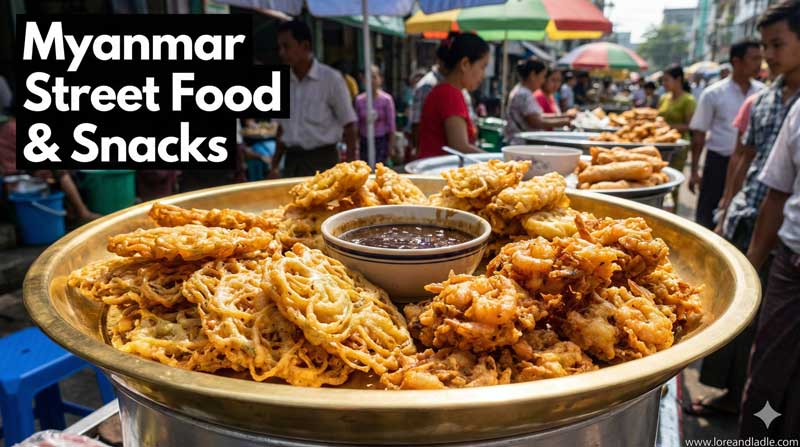
Myanmar street life shines in color, scent, and quick, joyful bites. Simple Sauces and Sides to Match Myanmar Street Food & Snacks invites you into that world. This collection honors how plain accompaniments become a bridge between recipe and ritual. It shows how a few bright flavors can transform humble snacks into memorable experiences. The dish is a celebration of timing, balance, and shared pleasure. In every bite, you taste a piece of Myanmar’s daily culinary poetry.
The Cultural Value of Sauces in Myanmar Snacks
Sauces and sides are more than flavor boosters. They are common language at the market stall, home kitchen, and tea shop. Vendors present small bowls and plates with care, inviting customers to dip, drizzle, or scoop. The act of sharing sauces creates a sense of neighborliness and belonging. Local ingredients lead the way: lime for brightness, fish sauce or ngapi for depth, peanuts and sesame for warmth, and tamarind or palm sugar for a bright-sour kiss. These elements reflect a culture that values balance, patience, and craft. Each sauce carries memory: a grandmother’s tweak, a stall’s daily ritual, a festival favorite. The result is a living map of flavors that travelers can intuitively understand. In this way, simple sauces become cultural connectors, and the snacks they accompany gain significance beyond taste.
Core Components: Five Delights That Define the Pairings
Here are core components that make the dish truly versatile. They are approachable, easy to recreate, and deeply rooted in Burmese street food culture.
-
Chili-Lime Ngapi Dip: A bright, spicy dip that blends local fermented fish paste with lime juice, garlic, and fresh chilies. It brings a salty-umami backbone and a citrus spark, perfect for fried bites or steamed snacks. The contrast of heat and tang mirrors Myanmar’s Love for lively, dynamic flavors.
-
Peanut Sesame Dip: Roasted peanuts mingle with sesame oil, a touch of sugar, and a whisper of tamarind. This nutty, glossy dip adds richness without heaviness. It pairs beautifully with crispy snacks and rice-based bites, echoing the region’s affinity for peanut-driven sauces.
-
Tamarind-Palm Sugar Sauce: A glossy, sweet-sour glaze built on tamarind pulp and palm sugar, tempered with a pinch of salt and chili. It brightens vegetables and fried goods alike. The balance of sweet and sour reflects a recurring theme in Myanmar’s everyday cooking.
-
Quick Pickled Cucumber: Sliced cucumber dressed with a light vinegar, a hint of salt, and a hint of chili. The crisp, cool notes offer relief from heat and fat, while the tang wakes up palate and plate. Pickles carry a freshness that mirrors the country’s coastal herbs and garden greens.
-
Crispy Shallot and Garlic Topping: Thinly sliced shallots fried until golden add a crackly crunch and a caramel sweetness. Scattered over snacks or folded into a dip, it is a unifying textural moment that locals often welcome at every table.
-
Fermented Bean Relish (Optional): A small spoon of bean-based relish brings depth, a touch of earthiness, and a gentle tang. It echoes traditional Pantry Staples and adds a savory chorus to the lineup.
Techniques and Ingredients: Making the Simplicity Sing
Simple does not mean dull. It means focused technique and careful balance. Start with clean, bright ingredients and adjust slowly. A few practical notes help the sauces shine.
-
Build flavor in layers: start with a solid base (fish paste, peanuts, tamarind), then add brightness (lime, vinegar), then finish with heat or sweetness (chilies, palm sugar). A pinch of salt ties every element together.
-
Keep textures varied: smooth dips pair with crisp pickles and crunchy shallots. The contrast makes the tasting experience more engaging and memorable.
-
Use fresh herbs wisely: cilantro, mint, or lemongrass can lift a dip without overpowering it. A little goes a long way.
-
Mind the heat: Myanmar cooks often balance heat with sour or sweet notes. If a sauce feels too sharp, a touch more sugar or a squeeze of lime can bring harmony.
-
Serve at the right tempo: set sauces in small bowls near the snacks. Fresh fragrances invite people to dip and mingle, turning a quick snack into a social moment.
Regional Flair and Flavor Variations
Myanmar’s landscapes inspire subtle differences in sauces and sides. Coastal regions lean into bright, tangy accents from lime and tamarind, and often welcome seafood notes from ngapi. Plains cooks favor peanut and sesame warmth, with palm sugar tempering sharp edges. Mountain and inland communities may incorporate fresh herbs and crisp vegetables from local markets, adding brightness and crunch. Across regions, the same set of sauces adapts to different street foods—fried snacks, steamed bites, noodle morsels, and small bites—creating a shared language with regional character. This regional variety keeps Simple Sauces and Sides relevant, teaching us that a simple concept can grow into a local tapestry of taste.
Serving Ideas and Social Joy
The dish thrives on presentation and sharing. Consider these ideas to elevate the experience.
-
Create small tasting trays: offer each guest a mini set of dipping sauces and a few snack pieces. This invites exploration and conversation.
-
Pair with iconic snacks: fried chickpea bites, savory pastries, or thin rice crackers work beautifully with the dips. A cool cucumber pickle refreshes the palate between bites.
-
Invite a mentor moment: a family elder or a local vendor can share a quick tip about balancing flavors. The exchange itself becomes part of the enjoyment.
-
Keep it seasonal: swap in a fresh herb or different pickles as markets change. Freshness keeps the flavors vibrant and inviting.
The Cultural Heartbeat: What This Dish Teaches About Myanmar Food Culture
Simple Sauces and Sides to Match Myanmar Street Food & Snacks embodies a culinary philosophy that honors clarity, community, and craft. It shows that great food can emerge from small steps and common ingredients. It also reveals a cultural approach that values balance—between sweet and sour, salty and spicy, soft and crunchy. This balance is not just in recipes but in life: how people gather, how stories are shared, and how a delicious dip can spark conversation and smiles. The dish invites cooks and diners to pause, savor, and connect with the present moment through flavor.
A Gentle Invitation to Explore
If you approach Myanmar street food with curiosity and care, these sauces and sides become more than accompaniments. They are a way to listen to a culture where food is a daily celebration and a shared gift. Start with one component, then add another. Over time, you will feel the same welcome that a market stall offers, and you will taste the same beauty found in simple, skillful pairings. The dish is not only about technique; it is about the warmth of community meals and the joy of discovering new ways to express flavor.
Conclusion
Simple Sauces and Sides to Match Myanmar Street Food & Snacks stands as a respectful nod to Myanmar’s vibrant street cuisine. It honors the cultural value of small bites that carry big meaning. It celebrates the culinary significance of balance, texture, and freshness. And it invites everyone to participate in a shared food culture that is lively, generous, and endlessly adaptable. In these sauces and sides, you find both tradition and possibility—an invitation to savor, learn, and linger among friends.