
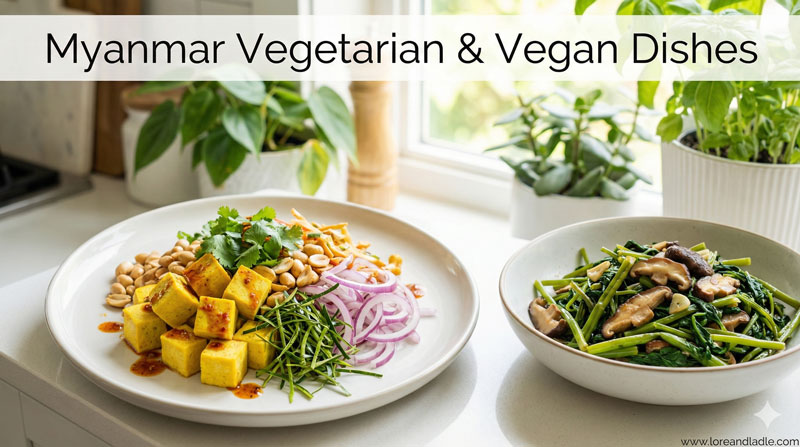
Introduction to the Dish
Beginner-Friendly Shopping List for Myanmar Vegetarian & Vegan Dishes is more than a guide to groceries. It is a window into a longtime kitchen culture that values fresh vegetables, gentle spice, and thoughtful balance. This list invites Home Cooks to explore Burmese flavors with confidence, kindness, and curiosity. It highlights how everyday ingredients carry memory, regional pride, and shared meals. By focusing on plant-based building blocks, the dish reveals how Burmese cooks shape aroma, color, and texture with clarity and care.
The Cultural Value of Burmese Vegetarian Cooking
Burmese vegetarian and vegan cooking honors harmony and seasonality. Meals often celebrate vegetables, legumes, and herbs as central characters rather than afterthought sides. The cuisine embraces everyday abundance—from market stalls to family kitchens—creating vibrant, nourishing dishes that suit many occasions. Plant-based dishes are valued for their lightness, fragrance, and ability to highlight fresh produce. This approach supports mindful eating, social sharing, and a deep respect for ingredients, techniques, and quiet flavor development. The shopping list mirrors these principles by organizing essentials that empower cooks to tell a story with food.
Core Pantry Essentials and Their Stories
- Staples: rice, rice noodles, and bean threads anchor meals and provide familiar texture.
- Legumes and pulses: mung beans, chickpeas, and lentils contribute protein, body, and versatility to curries, stews, and salads.
- Fresh vegetables: leafy greens, eggplant, tomatoes, pumpkins, okra, and peppers reflect regional harvests and seasonal colors.
- Aromatics: garlic, shallots, lemongrass, ginger, and turmeric infuse dishes with warmth and brightness.
- Herbs and greens: cilantro, scallions, mint, and other fresh herbs brighten flavors and add balance.
- Ferments and savory pastes: fermented bean pastes or soy-based pastes deepen umami without meat.
- Nuts and seeds: peanuts and sesame add crunch, richness, and depth.
- Oils and dairy-free milks: peanut oil and coconut milk support smooth textures in curries and stews.
- Acids and sweeteners: lime juice, tamarind, and palm or cane sugar give bright, tangy, or mellow notes to finish dishes.
- Salt and spices: a pinch of salt, dried chilies, and ground spices frame the dish with warmth and clarity.
Fresh Produce: Color, Texture, and Seasonality
Seasonal vegetables shape the face of Burmese meals. Morning glory, mustard greens, cabbage, and fresh tomatoes bring color and crisp bite. Eggplant, pumpkins, and okra offer softness and body. Fresh herbs brighten the plate and lift fragrances. The list’s emphasis on produce reflects the region’s markets and daily rhythms, where shoppers choose greens that carry brightness and life into the cooking pot.
Flavor Builders: Aromatics, Ferments, and Herbs
Aromatic foundations—garlic, shallots, lemongrass, and ginger—provide the first wave of perfume. Turmeric adds warm color and subtle earthiness. Fermented pastes from soy or beans deepen savoriness, while lime juice and tamarind introduce brightness and tang. Nuts and seeds, plus fresh herbs, finish dishes with a crisp, lively finish. Together, these elements demonstrate how Burmese vegetarian cooking achieves depth with balance, not heaviness.
How to Use This List in Practice
- Start with a simple plan: pick two or three ingredients from each category and imagine a light curry, a stir-fry, or a fresh salad.
- Visit a local market to observe color, aroma, and texture. Allow the senses to guide substitutions that fit the season.
- Build flavor in layers: soften aromatics, add vegetables, then finish with herbs and a splash of lime or tamarind.
- Celebrate regional nuance: vary greens, legumes, and herbs to echo local harvests and family preferences.
- Keep the list handy as a reference for quick meals or for planning a small gathering centered on plant-based Burmese dishes.
The Beauty and Significance of Plant-Based Burmese Cuisine
This approach honors nourishment, shareable meals, and the beauty of everyday ingredients. The dish emphasizes how a thoughtful shopping list can unlock a world of Burmese flavors without meat or dairy. It invites cooks to feel confident, explore seasonal produce, and respect the quiet power of well-chosen herbs and spices. In this way, the dish becomes a gentle teacher—showing how culture and technique meet in the market, in the kitchen, and on the plate.
Final Thoughts
Beginner-Friendly Shopping List for Myanmar Vegetarian & Vegan Dishes champions curiosity, craft, and care. It celebrates how Burmese cooks transform Simple Ingredients into soulful meals. By embracing this list, you honor the culinary heritage that thrives in homes, markets, and kitchens across Myanmar, one colorful, fragrant dish at a time.