
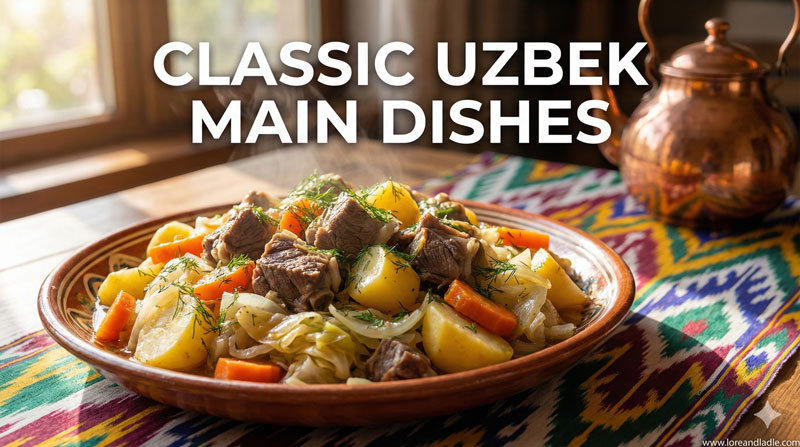
How to Make Naryn – Classic Uzbekistani Main Dishes Flavor You’ll Love
Naryn is a beloved dish in Uzbek cuisine that brings people together. In this article, we celebrate its cultural value and culinary significance. You’ll discover how simple ingredients become a warm, shared experience. This dish is more than sustenance; it is a invitation to hospitality, craft, and savory comfort.
What is Naryn?
Naryn features tender meat and delicate noodles folded into a comforting bite. Traditionally, the dish uses lamb or beef, slowly simmered with onions and clear, light broth. The hand-cut noodles soak up the meat juices, creating a harmonious balance of texture and flavor. In some homes, the noodles are plated with the meat and a small amount of broth, while in others the noodles and meat meet in a generous bowl of steaming goodness. Either way, the core idea remains the same: simple ingredients transformed by technique and time.
The Cultural Thread
Naryn sits at the center of Uzbek food culture as a symbol of hospitality and family. Making and sharing this dish often accompanies gatherings, celebrations, and weekend meals. Families pass traditions from one generation to the next—How to roll the dough just so, how thick to cut the noodles, when to let the meat braise, and how to balance the salt and onion sweetness. The scene around the stove—loved ones working side by side, bowls lined up, the aroma filling the room—embodies warmth and welcome. In Uzbek households, a pot of naryn is a sign that guests are valued, and conversation flows as freely as the steam.
The Craft of Noodle Making
The distinctive feature of Naryn is the hand-cut noodles. Flour, water, and a pinch of salt come together to form dough that rests briefly before being rolled and cut into long, slender strands. The texture matters: noodles that hold a gentle bite when tender, yet soak up the meat flavor. Skilled hands create uniform strands, a quiet art that speaks to patience and pride in everyday cooking. This craft connects Home Cooks to ancient kitchen practices, where wheat and water were transformed into threads of comfort.
The Flavor and Technique
Flavor in Naryn is clean and focused. The meat builds a fragrant foundation with onions sautéed to a-soft sweetness, a hint of pepper, and a touch of salt. The broth—clear, with a light, comforting savor—binds the noodles and meat together. The result is a dish that feels honest and nourishing. The balance between the meaty depth and the mild, silky noodles showcases how Uzbek cooks value restraint and harmony. Fresh herbs may brighten the dish just before serving, aiding aroma and color while keeping the flavors gentle and true.
How to Make Naryn
First, prepare the dough and cut the noodles. Mix flour, water, and a pinch of salt to form a smooth dough. Let it rest briefly, then roll and cut into long, slender strands. Second, brown the meat with sliced onions to release sweetness and depth. Add water or broth, season lightly, and let the meat simmer until tender. Third, cook the noodles separately in salted water until just tender, then drain. Finally, combine the noodles with the meat and a little broth, or serve them in a shallow bowl with the meat resting atop the noodles. Taste and adjust for a gentle balance of salt and sweetness. Serve hot, with a final sprinkle of fresh herbs if desired. This method highlights the dish’s elegance: simple steps, a patient simmer, and a gratifying finish.
Serving and Traditions
Naryn shines when served in generous portions, inviting conversation as bowls empty and refill. It pairs well with light herbs such as dill or cilantro and a side of fresh bread. In Uzbek daily life, a bowl of naryn can be part of a quiet family dinner or a festive spread at a larger gathering. The way it is presented—carefully plated noodles, tender meat, and a clear, comforting broth—echoes the Uzbek values of hospitality, generosity, and mindful preparation.
Acknowledge the Beauty of Uzbek Flavor
This dish reveals how a few ingredients can tell a rich cultural story. Naryn embodies balance, patience, and artistry in home kitchens. Its preparation invites togetherness, turning cooking into a shared ritual rather than a solitary task. As you explore how to make Naryn, you also explore a culinary landscape where crafts like noodle making and slow braising are valued crafts that connect generations.
Final Thoughts
How to Make Naryn – Classic Uzbekistani Main Dishes Flavor You’ll Love offers more than a recipe; it offers a doorway into Uzbek taste, tradition, and community. With its tender meat, delicate noodles, and clear broth, the dish embodies the beauty of Uzbek cuisine. It invites you to savor simplicity, celebrate craft, and welcome others to your table. Enjoy the process, share the outcome, and taste the history woven into every bite.