
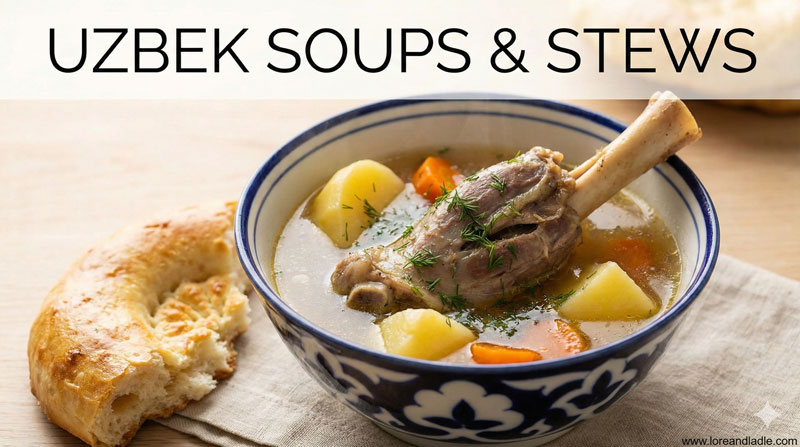
Delicious Naryn – Uzbekistani Soups & Stews Flavor You’ll Love
Naryn is a beloved dish in Uzbek kitchens. The name hints at a long, comforting bowl that welcomes you. This dish blends soft, hand-cut noodles with a rich meat broth. It sits at the heart of family meals and festive gatherings. Naryn invites patience, care, and craft. The result is a warm, layered flavor that speaks to Uzbek warmth and hospitality.
Cultural Value and Hospitality
In Uzbek culture, food is a bridge between people. When guests arrive, families often prepare a pot of Naryn with pride. The steaming bowl is shared, and conversation flows as naturally as the steam rises. The dish brings generations together, from the youngest helper to the elder cook. Its preparation teaches attention to detail: kneading dough, shaping noodles, and simmering a stock with calm focus. This ritual links daily life to tradition, turning a simple meal into a ceremony of welcome and togetherness.
Culinary Significance: Techniques and Ingredients
Chefs begin with a clear broth from beef or lamb. They simmer bones to develop depth and sweetness. Naryn noodles are hand-cut into thin strands that cook quickly and hold their bite. Onions and garlic are added for gentle sweetness and aroma. Spices such as black pepper, cumin, coriander, and bay leaves frame the broth without overpowering it. The noodles soak in the broth and absorb its warmth, yet stay distinct enough to give texture. The result is a dish that feels both hearty and refined, a clear expression of careful technique and balanced flavors.
Regional Variations
Across Uzbekistan, small differences enrich the dish. Some families highlight garlic more boldly, while others favor a sharper pepper note. The amount of broth versus noodle presence can vary, creating a lighter or deeper mouthfeel. Naryn noodles can be sliced a touch thicker in some homes, or kept very fine in others. These variations celebrate local tastes while preserving the core idea: noodles meeting a comforting meat broth in a generous serving.
Texture, Aroma, and Presentation
Steam carries the scent of meat, herbs, and slow cooking. The noodles gleam in a clear, amber broth. A bowl like this invites you to slow down and savor each bite. Fresh herbs, such as cilantro or dill, can brighten the surface. A lemon wedge or a touch of garlic may appear in some homes to add a final lift. The presentation emphasizes warmth, generosity, and homey appeal.
Serving Traditions and Pairings
Naryn is often served hot in a large shared pot or in individual bowls. It pairs beautifully with warm flatbread and simple salads, letting the flavors stay the focus. Tea accompanies the meal as a graceful finish, inviting continued conversation and comfort. This combination makes Naryn a centerpiece of everyday life and special occasions alike.
Naryn in Modern Kitchens
Today, cooks blend tradition with personal flair. Home chefs may experiment with noodle thickness, spice balance, or meat cuts, always honoring the dish’s core spirit. The versatility of Naryn makes it adaptable for family dinners, weekend gatherings, or celebratory feasts, all while preserving its cultural heart.
Conclusion
Delicious Naryn embodies Uzbek culture in a single pot. It celebrates hospitality, patience, and shared meals. The dish invites cooks and guests to slow down, connect, and enjoy the beauty of simple ingredients transformed by care. If you seek a dish that speaks clearly of Uzbek flavor and tradition, Naryn offers an inviting, respectful, and deeply satisfying experience.