
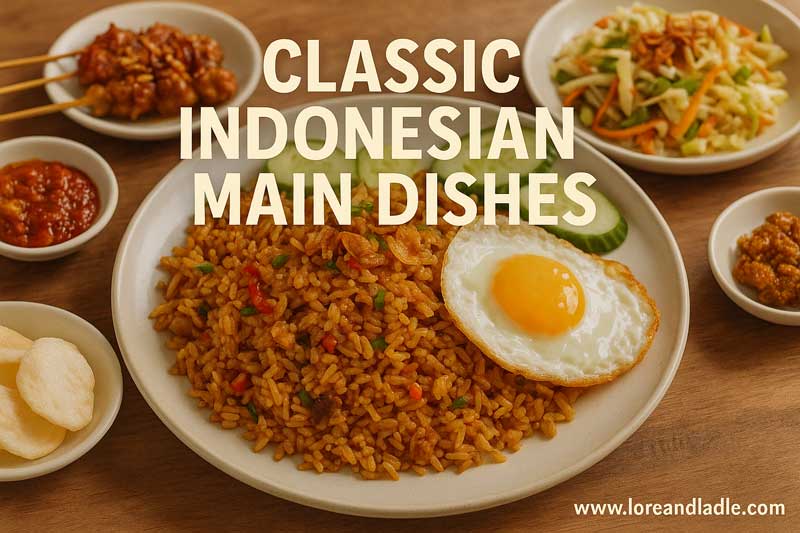
Nasi Campur 101: Simple Ways to Unlock Big Indonesian Flavor invites you into a dish that feels like a warm invitation to Indonesian kitchens. This is more than a meal; it is a daily celebration of balance, color, and community. Each plate tells a story of ingredients gathered from markets, gardens, and street stalls, blended to create a harmonious bite every time.
What Nasi Campur Tells Us About Indonesian Kitchen Culture
Nasi Campur embodies the spirit of Indonesian Home Cooking: resourceful, generous, and ever curious. The dish starts with plain steamed rice, a blank canvas that carries every other flavor. From there, chefs and home cooks layer a chorus of tastes and textures. A scoop of vegetables, a portion of protein, a zing of sambal, and a drizzle of fragrant sauce all work together to create a complete meal. This approach highlights balance—savory, spicy, sour, and sweet all in one plate. It also celebrates variety, allowing cooks to showcase regional ingredients and seasonal produce. In daily life, nasi campur becomes a common ground where family, neighbors, and friends share a meal. The act of mixing components on the plate mirrors a culture that values unity and generosity. The dish is practical, joyful, and deeply human in its simplicity.
The Culinary Significance Behind Every Component
Rice sits at the heart of nasi campur, offering a neutral base that carries bold flavors. The choice of protein—whether fried chicken, beef, tofu, tempeh, or a mix—adds texture and depth. Vegetables like sautéed greens, crunchy bean sprouts, or pickles introduce brightness and balance. A few spoons of sambal wake up the palate with heat and aroma, while a cool, tangy sauce or lime squeeze can brighten the dish. The seasonings tell a story of technique as well: roasting spices for a deeper aroma, quick sautéing to maintain crunch, and careful timing to keep every element distinct yet harmonious. The beauty of nasi campur lies in its adaptability. Leftovers can become parts of a new plate, and regional twists shine through the selection of sides, sauces, and garnishes. This flexibility makes nasi campur a living tradition, always evolving while rooted in a shared method.
Simple Ways to Unlock Big Flavor Today
Begin with the rice. Fragrant rice, such as jasmine or a short-grain variety, carries flavor better than ultra-long grains. Cook it with a touch of salt and a whisper of oil to invite aroma. Next, build your protein with intention. Fry or roast with a light spice rub, then let the meat rest so juices stay moist. Add a bright vegetable component—stir-fried greens, shredded carrot, or cucumber slices—to bring color and crunch. For heat and personality, prepare a fresh sambal or a ready-to-use chili paste. A small amount goes a long way, so taste as you go and balance with a squeeze of lime or a splash of vinegar. Finish with texture: fried shallots, crushed peanuts, or sesame seeds add a nutty, aromatic finish. Finally, plate with care. A neat pile of rice, a neat line of each side, and a dab of sauce can transform a simple meal into a welcoming feast. These steps make the dish approachable while preserving its depth.
Regional Variations: A Palette of Indonesian Flavors
Indonesia offers a vibrant palette for nasi campur. In Jakarta, you might find a plate that pairs fried chicken with vegetables, a mild curry, and a sharp sambal. In Bali, fresh herbs and tropical flavors may mingle with sambal matah for a bright, citrusy kick. In other regions, tempeh, fish, or beef rendang can share the stage with pickles, eggs, or sautéed greens. Each version respects the core idea of nasi campur—a balanced mix of rice, protein, vegetables, and condiments—but the exact companions reflect local markets, seasonal produce, and family traditions. This regional richness shows how a single concept can sing in many voices, inviting curious eaters to explore without leaving the plate’s harmony behind.
The Senses at the Table: Aroma, Color, and Texture
Nasi campur delights the senses in layers. The aroma of sizzling garlic, toasted sesame, and fresh chili opens the experience. Color plays a major role: pale rice meeting bright greens, ruby-red chili, and golden-brown proteins creates an appetizing tableau. Texture matters as well—soft rice contrasts with crisp vegetables and the tender bite of fried items. The interplay of hot and cool flavors, silky sauces with crisp toppings, makes each bite feel dynamic. This sensory balance is a hallmark of Indonesian cooking, where food invites you to slow down, notice small details, and savor the moment.
Where Nasi Campur Lives: Everyday Meals, Market Stalls, and Home Kitchens
Nasi campur thrives in daily life. It appears at Home kitchens as a quick, nourishing meal after a long day. It shines at market stalls where cooks showcase seasonal ingredients and inventive combinations. It also serves as a shared canvas for families to gather, chat, and enjoy a plate that feels both familiar and exciting. The dish embodies accessibility and welcome: it is easy to customize, easy to share, and easy to recreate with common pantry staples. In this way, nasi campur acts as a bridge between home cooking and street food, between tradition and personal taste.
A Respectful Celebration of Flavor
Approach nasi campur with curiosity and respect. It invites cooks to honor ingredients, season with balance, and present a plate that feels complete. The dish celebrates Indonesian hospitality—the intention to feed others well and with care. By exploring its components and regional varieties, you gain insight into everyday life, craft, and community without needing elaborate techniques. The beauty of nasi campur lies in its clarity: a simple recipe that teaches patience, balance, and joy through flavor.
Conclusion
Nasi Campur 101 offers more than a guide to a tasty plate. It opens a window into Indonesian culinary culture, where rice acts as a canvas and a chorus of flavors completes the picture. The dish teaches accessibility, adaptability, and a sense of shared feast. As you unlock its flavor, you also unlock a deeper appreciation for the everyday artistry of Indonesian kitchens. Enjoy the journey, one flavorful bite at a time.