
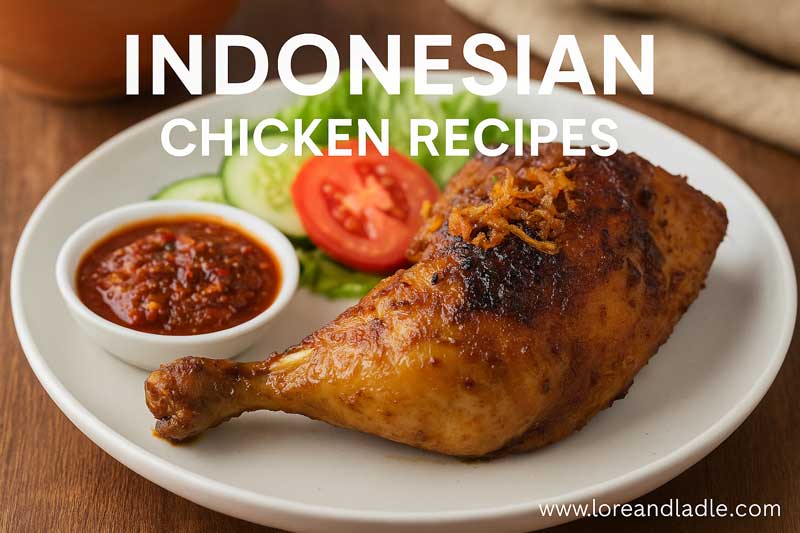
What is Nasi Campur?
Nasi Campur is a beloved Indonesian dish built on a simple idea: a base of fluffy rice paired with a careful mix of flavorful toppings. Each plate is a thoughtful balance of components, showcasing colors, textures, and aromas in one satisfying bowl. The name itself—nasi campur—means “mixed rice,” and the practice celebrates variety over sameness. In every region, cooks adapt the plate to local ingredients and tastes, making it a living expression of Indonesian food culture. When you try it in the U.S., you taste not just a dish, but a flexible canvas that invites personal preference and regional flair.
A Palette of Flavors and Textures
Nasi Campur shines because it blends contrasts with purpose. The rice offers a soft, neutral canvas. Then you add protein—often fragrant fried chicken, beef, tempeh, or eggs—alongside vegetables that add brightness and crunch. Some plates feature cucumber slices, shredded carrots, and fermented vegetables for tangy notes. A dollop of sambal brings heat and a peppery kick, while a drizzle of kecap manis contributes sweetness and depth. A smooth peanut sauce or a garlicky relish can appear as optional accents. The result is a plate where each bite can be different: some bites are mellow and comforting; others spark with spice and brightness. This intentional variety is a hallmark of Indonesian home meals and street-level cooking, and it translates beautifully to American dining scenes that prize customization.
A Window into Indonesian Food Culture
Nasi Campur embodies hospitality and practical artistry. It is a dish you share easily with family and friends, often waiting to be enjoyed at a table or a counter. The plate invites conversation about what’s on it—why a certain pickled vegetable was chosen, how the sambal appears in a dish, or how the flavors interact. The practice of assembling a balanced mini feast on one plate mirrors the Indonesian value of harmony in meals: diverse tastes coming together to form one satisfying whole. The dish also demonstrates how Indonesian cooks honor seasonal produce and regional pride. A bowl may showcase particular herbs, chilies, or fruit in season, telling a small culinary story about place and time.
Culinary Techniques Behind the Dish
Several techniques come together to create a nasi campur plate. Rice is steamed to a light, fluffy texture, serving as a reliable base. Proteins are prepared with care—grilling, pan-frying, or braising—so they retain aroma and juiciness. Vegetables are blanched, sautéed, or quick-pickled to preserve color and crisp-tresh. Sauces—especially sambal and kecap manis—bring brightness and cohesion, tying the separate components into one flavorful ensemble. The dish may also feature a fried egg with a slightly runny yolk, which adds richness when mixed with the other elements. Across these techniques, the common thread is balance: heat and sweetness, softness and bite, and a chorus of textures that keeps the plate lively.
Why Nasi Campur Shines in the U.S.
In the United States, nasi campur serves as a welcoming doorway to Indonesian flavors. Its flexibility makes it easy to adapt to different restaurants, markets, and home kitchens. Diners can choose their preferred proteins, adjust heat levels, and include or omit certain sauces. The dish travels well in lunch bowls, dinner plates, or even as a customizable takeout option. For cooks, nasi campur is an invitation to celebrate ingredients you already love—rice, vegetables, a savory protein, and a punchy condiment—while exploring Indonesian seasoning ideas like aromatic garlic, fragrant coconut, and peppery chilies. The result is a comforting, authentic experience that honors a rich culinary tradition without requiring complex techniques.
How to Appreciate the Dish
To fully enjoy nasi campur, approach it as a small, curated menu on one plate. Start with a bite of plain rice to anchor your palate. Then explore a bit of each topping, noting how the textures interact. Add a touch of sambal if you enjoy heat, or a splash of kecap manis for sweetness. Observe how the cool crunch of vegetables contrasts with the warmth of the protein. If you’re new to Indonesian flavors, choose a version with milder sambal to ease into the profile, then gradually explore bolder combinations. Pair the dish with a refreshing beverage such as iced tea with lime or a light lemongrass drink to cleanse the palate between bites.
A Simple Guide to Enjoying Nasi Campur at Home
If you want to recreate the experience, start with a practical version you can customize. Cook rice and prepare a small selection of toppings: a protein (like chicken or tempeh), a pickled vegetable, a fresh vegetable component, a heat element (sambal), and a sweet-savory sauce (kecap manis or peanut sauce). Arrange the toppings in sections around the mound of rice. Let each diner mix as they eat, creating their own flavor combinations. This approach mirrors the dish’s cultural spirit: collaboration, choice, and balance.
Final Thoughts
Nasi Campur is more than a meal. It is a cultural practice that honors variety, balance, and hospitality. Its flexible format makes it a welcoming ambassador of Indonesian cuisine in the U.S., inviting diners to savor a spectrum of flavors in one satisfying plate. Whether you encounter it in a bustling stall, a cozy family-run restaurant, or a home kitchen, nasi campur offers a warm invitation to explore Indonesian culinary artistry. By enjoying it, you join a tradition that values thoughtful preparation, seasonal ingredients, and the joy of sharing a lovingly assembled plate.