
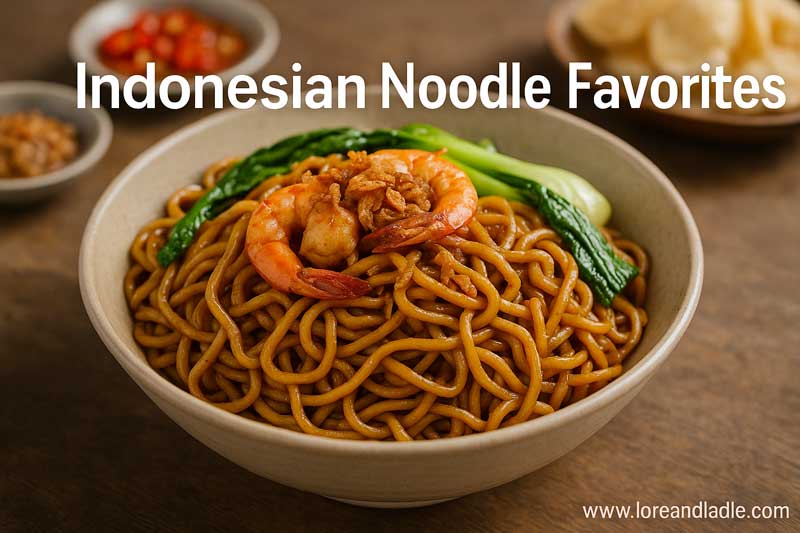
From Jakarta to Your Kitchen: Nasi Campur Made Simple
Welcome to a dish that carries the flavor of Jakarta into home kitchens. From Jakarta to Your Kitchen: Nasi Campur Made Simple invites you to taste a vibrant, balanced plate. This dish is a daily celebration of variety, color, and a shared table. In this post, we explore its cultural value and culinary significance, with practical ideas for home cooks.
What Is Nasi Campur?
Nasi Campur means mixed rice. A generous scoop of steamed rice sits beside small portions of diverse dishes. You choose proteins, vegetables, and sauces to create a personalized balance of flavors and textures. The result is comforting, flexible, and exciting enough for everyday meals or special occasions.
The Cultural Value of Nasi Campur
Jakarta’s food scene shows how a single plate can hold many tastes. Nasi Campur brings together ingredients from different neighborhoods, reflecting a habit of sharing and variety. It is a flexible canvas for seasonal produce and everyday flavors. The dish highlights harmony in cooking: rice serves as a neutral base, spices and sauces give character, and careful contrasts in texture please the palate. It invites conversation at the table and makes room for small rituals, from how you arrange the ingredients to savoring the final bite.
Key Flavors and Techniques
Core elements include: steamed rice, a protein such as fried chicken, beef, tempeh, or fish; vegetables like spinach, green beans, or cucumber; a vibrant sambal for heat; a drizzle of kecap manis for sweetness; and a crisp element such as kerupuk or fried shallots. Techniques vary, but common methods keep the dish approachable: pan-searing, grilling, steaming, and quick sautéing. The result is a plate that sings with balance—savory, spicy, sweet, and fresh all at once.
Making Nasi Campur at Home
You can bring this beloved plate to your kitchen with a simple plan.
- Start with rice. Cook a fresh batch or reheat leftovers for speed and ease.
- Pick a protein. Try garlic-soy chicken, grilled fish, crispy tofu, or tempeh.
- Prepare vegetables. Blanch greens, sauté beans, and add a fresh cucumber or tomato element.
- Add sauces and brightness. Keep a small bowl of sambal for heat and a drizzle of kecap manis for sweetness.
- Assemble. Place rice in the center and arrange small portions of each component around it. Finish with fried shallots or kerupuk for crunch.
Here is a tiny template you can adapt: 1 cup cooked rice, 2 tablespoons protein, a couple of vegetable sides, a thin slice of cucumber, 1 fried egg or a plant-based alternative, 1 tablespoon sambal, and a light splash of kecap manis. Adjust portions to taste and time.
Serving and Enjoyment
Nasi Campur shines when shared. Present the plate with care and let everyone choose their combinations. The dish invites curiosity: each bite reveals a new balance of textures and flavors. Pair it with a refreshing drink such as jasmine tea or lime water to cleanse the palate between bites. The act of serving itself becomes a small celebration of daily cooking.
Final Thoughts
Nasi Campur is more than a meal. It is a living expression of Jakarta’s Love for variety, flavor, and thoughtful preparation. By making Nasi Campur at Home, you honor a tradition that values balance, creativity, and hospitality. With a few versatile components and simple steps, anyone can create a beautiful, flavorful plate that reflects the heart of Indonesian cuisine. Enjoy the process, savor the results, and share the experience at your table.