
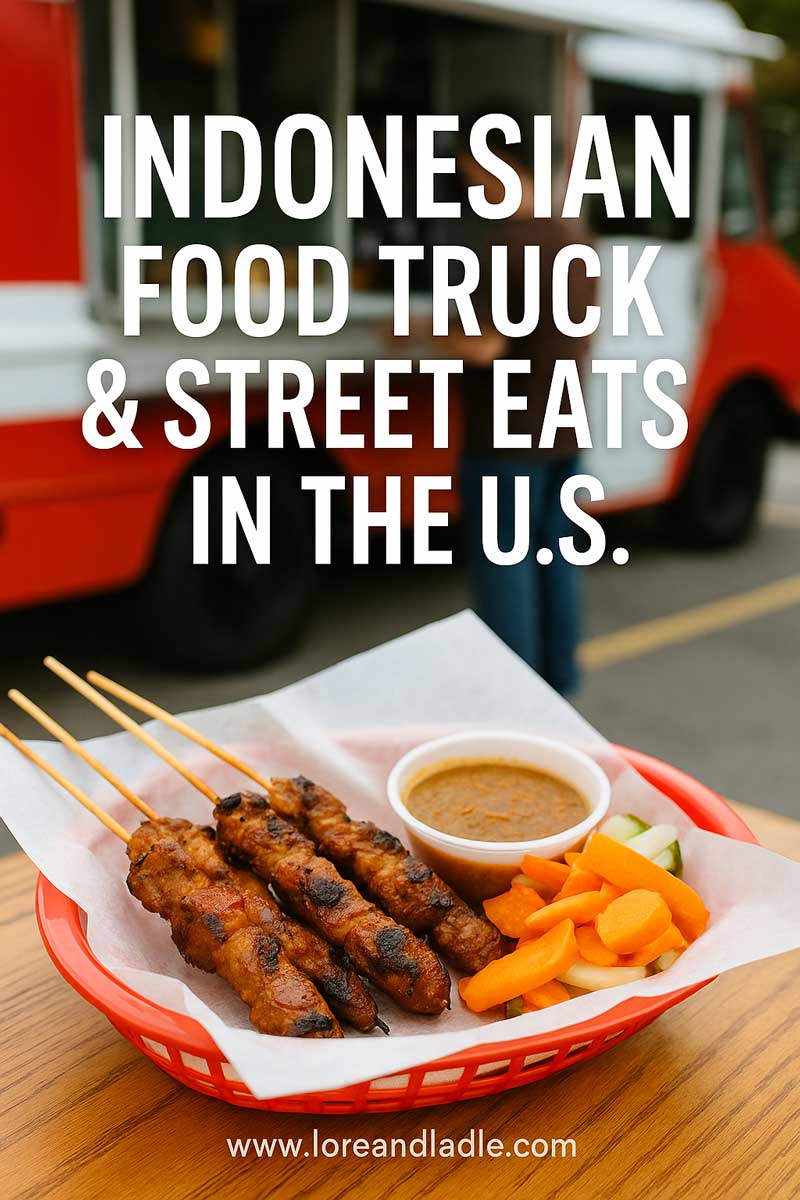
Nasi Campur and Indonesian Food Truck & Street Eats in the U.S.: Favorites for Indonesian Food Fans
Nasi Campur stands as a beloved centerpiece of Indonesian dining. It is more than a meal; it is a celebration of balance, color, and community. in the United States, Indonesian food trucks and street eats bring this cherished dish to life with energy, care, and attention to detail. The result is a feast that feels both timeless and fresh, inviting fans to explore a spectrum of flavors in a single plate.
Nasi Campur: A Tapestry of Flavors
Nasi Campur translates to “mixed rice,” but the dish is really a canvas. A bed of fragrant steamed rice hosts an array of toppings: spiced meats, sautéed greens, crunchy vegetables, eggs, and a bright sambal paste. Each bite harmonizes sweet, salty, sour, and spicy notes. The play of textures—from tender meat to crisp-fresh greens to silky egg—creates a satisfying rhythm. In a busy street-food setting, this flexibility shines. Cooks choose components to highlight regional pride or seasonal produce, while still preserving the core idea: a single plate that tells a story through variety.
The Cultural Value of a Mixed Plate
The beauty of nasi campur lies in its inclusivity. The plate invites different tastes, reflecting the social spirit of Indonesian dining, where sharing and sampling are common. It speaks to a culture that values harmony and balance, where every element has a role and all flavors coexist. For Indonesian fans in the U.S., the dish becomes a familiar voice on urban streets, a reminder of home meals prepared with love and patience. The act of mixing different components on one plate mirrors a thoughtful approach to cooking—assembling ingredients with respect, then letting them converse on the palate.
The Culinary Craft Behind Nasi Campur
Crafting nasi campur is an exercise in precision and imagination. The rice should be fluffy and fragrant, often boosted with aromatics like pandan or garlic. Proteins range from smoky roasted chicken to tender beef, fried tempeh, or fish. Vegetables are chosen for color and crunch—green beans, carrots, spinach, cucumber, and sprouts often play starring roles. Sambal, the beloved Indonesian chili paste, brings brightness and heat, sometimes subtle, sometimes bold. Sauces and gravies—kecap manis sweetness, tangy tomato relish, or peanut-based sauces—provide depth without overpowering the dish. The artistry is in balance: a single plate that invites a second and third bite to explore how each element reinforces another.
Indonesian Food Trucks in the U.S.: A Bridge of Tastes
Across American cities, Indonesian food trucks and street vendors present nasi campur in ever-new light. They curate menus that honor traditional flavor profiles while adapting to local tastes and markets. These cooks often highlight regional variations—savory Java-style chicken, spiced Bali-style pork, or peppery Sumatra-inspired beef. The mobile kitchen format allows cooks to showcase fresh ingredients and quick-fire techniques, such as wok-tossed greens, seared proteins, and vibrant sambals prepared moment by moment. For fans, the truck experience is not just about a meal; it is a doorway to Indonesian culinary culture, delivered in a friendly, approachable setting.
Fresh Ingredients and Regional Touches
Freshness anchors Indonesian street eats. Cooks source herbs like lemongrass, lime leaves, and cilantro, and vegetables at peak ripeness. This attention to produce elevates nasi campur beyond everyday comfort food to a bright, alive dining experience. Locality matters too: some trucks feature coconut milk in light sauces, others emphasize tamarind or lime for a tart sparkle. The proteins reflect regional preference and technique—grilled, fried, or braised with care. These choices showcase the diversity within Indonesian cuisine and invite fans to taste how geography and season shape the plate.
Pairings, Sauces, and Sides
A complete nasi campur journey often includes inviting sides and condiments. A scoop of sambal provides a lively kick; peanut sauce or a savory gravy adds creaminess and warmth; pickled vegetables offer acidity to cut through richness. Eggs—whether a perfectly fried sunny-side up or a glossy, seasoned omelet—bring comfort and richness. Cucumber slices, leafy greens, and crunchy crackers add texture and freshness. On a street stall, these elements are assembled with rhythm and care, turning a simple meal into a small ceremony of tasting and balance.
How to Enjoy Nasi Campur: Tips for Home Chefs
Home cooks can honor nasi campur with mindful preparation. Start with good rice, well seasoned with a touch of salt. Choose two or three protein options and two vegetables to keep the plate vibrant. Prepare a bright sambal alongside a milder sauce for contrast. Plate with color: greens next to pale rice, a pop of red from sambal, and a golden hue from eggs or fried shallots. If you can, roast vegetables to bring sweetness and depth. Remember the point: balance. A well-made nasi campur feels cohesive, even with diverse elements. It invites sharing, learning, and slow enjoyment.
A Welcoming Space for Indonesian Flavor in American Streets
Indonesian food trucks offer more than flavor; they deliver a cultural touchstone in a busy urban landscape. The approach is welcoming and respectful: cooks greet customers by name, explain ingredients, and invite questions. Fans appreciate the clarity of taste, the care in preparation, and the ability to try a bit of so many components on one plate. This accessibility helps cultivate appreciation for Indonesian flavors, encouraging curious eaters to explore beyond a single dish and discover the broader richness of Indonesian street eats.
A Note on the Experience
For Indonesian food fans in the U.S., nasi campur through food trucks represents continuity and delight. It honors tradition while embracing modern methods and local ingredients. The result is a dish that remains deeply Indonesian in character, even as it evolves in city courtyards, pop-up markets, and busy sidewalks. The cultural value comes from the way the plate fosters connection—between family and friends, between regions of Indonesia, and between the cook and the guest sharing the table.
Closing Thoughts: Celebrate the Plate
Nasi Campur embodies the essence of Indonesian culinary culture: it is versatile, generous, and attentive to detail. Its presence in the U.S. through food trucks and street eats enriches the culinary scene by offering a clear, delicious window into Indonesian flavors. For fans, it is a reminder that a single plate can carry stories of tradition, craft, and hospitality. Let us savor nasi campur with curiosity, respect, and the simple pleasure of good food shared well.