
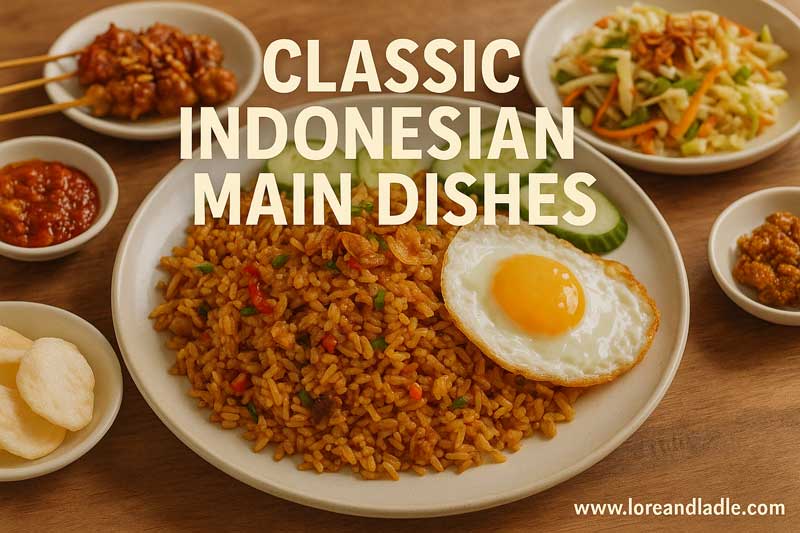
Nasi Goreng: An Authentic Indonesian Classic to Try in the U.S. invites readers into a gentle, sunlit kitchen world where simple ingredients become something memorable. This dish speaks to everyday life, inviting curiosity and celebration around the table. Here, we explore its cultural value and culinary significance, and how it finds a welcome home on U.S. dining tables.
What is Nasi Goreng? A Cultural Snapshot
Nasi Goreng translates to “fried rice,” but it is so much more than a single recipe. It is a beloved staple that showcases balance and restraint: smoky aroma, a touch of sweetness, and a savory backbone. Each bite hints at time-honored techniques and flexible thinking—how leftover rice can transform into a bright, comforting main. Across homes and casual eateries, Nasi Goreng preserves the idea that everyday cooking can feel festive with the right sizzle and seasonings. In the U.S., this dish often carries the warmth of Indonesian flavors while inviting adventurous adaptations for Home Cooks.
The Signature Techniques That Define Its Flavor
The heart of Nasi Goreng lies in technique as much as ingredients. A hot wok or skillet is used to sear the rice quickly, creating a light smokiness known as wok hei—the breath of the wok. This searing step wakes up the garlic, shallots, and any proteins, releasing fragrances that fill the kitchen. The process requires timing and a careful balance: the rice must stay separate, not mushy, while absorbing the sauce and aromatics. Sweet soy sauce (kecap manis) lends a glossy coat and a gentle caramel note that ties flavors together. A final toss with crisp vegetables or herbs elevates the dish from everyday fare to something memorable.
Core Ingredients and the Aroma of the Wok
Essentials often include day-old rice, garlic, shallots, and a small amount of chili for warmth. Proteins such as chicken, shrimp, or tofu appear as options rather than rigid rules. The signature flavor comes from kecap manis, which adds sweetness and depth without heaviness. A dab of chili and a dash of tamarind or lime can brighten the finish. Optional ingredients—like fried shallots, peas, carrots, or peas and eggs—bring color and texture. Across kitchens, cooks tailor these components to what’s on hand, celebrating resourcefulness while keeping the dish’s core spirit intact.
Regional Variations Within Indonesia
Nasi Goreng thrives on variation. Some homes prepare a version known for robust, salty notes with shrimp paste for depth; others favor a lighter, cleaner finish with more vegetables. In certain regions, crispy toppings such as crackers or fried shallots add a satisfying snap. Breakfast, lunch, or dinner—Nasi Goreng appears across mealtimes, often pairing with a simple fried egg and a bright cucumber slice. The dish also welcomes different sauces or sambals for heat, allowing each cook to shape the heat level and brightness. This flexibility reflects a culture that values practical creativity and shared meals.
Cultural Value: A Dish for Shared Table Moments
Nasi Goreng embodies togetherness. It’s a dish that invites families to gather, to adjust a recipe, and to share stories over a skillet’s gentle sizzle. Its simplicity makes it accessible to beginners, yet its depth rewards careful seasoning and timing. In gatherings and weeknight dinners alike, the dish communicates care—someone took a moment to season and sear with attention. The result is more than sustenance; it is a ritual of hospitality that welcomes friends and loved ones to the same plate, celebrating flavor’s ability to bring people together.
Nasi Goreng in the U.S.: Accessibility and Adaptation
In the United States, Nasi Goreng often serves as a flavorful ambassador for Indonesian cuisines. Restaurants may highlight a traditional version, while home cooks enjoy the dish as a doorway to broader flavor experiences. The recipe adapts easily to pantry staples found in many kitchens: day-old rice, soy sauce, a touch of sweetness, and a hot pan. For those who crave authentic taste, authentic ingredients like kecap manis and sambal oelek can be found in many markets or online. When substitutions are needed, a combination of dark soy sauce with a small amount of honey or maple syrup can mimic kecap manis’s sweet-salty glaze. In any form, the dish communicates a welcoming invitation to explore Indonesian flavor profiles from a familiar base.
Tips for Crafting Nasi Goreng at Home
- Start with rice that’s a day old or cooled overnight; it fries better than freshly cooked rice.
- Dry the grains well before frying to prevent clumping.
- Use a hot pan and keep the rice moving to develop a light, even sear.
- Balance sweet, salty, and spicy flavors with kecap manis, salt, and a touch of chili.
- Add protein to your preference: chicken, shrimp, tempeh, or tofu all work well.
- Top with a fried egg for richness and color, and finish with crunchy shallots or fresh herbs.
- Serve with crisp cucumber or tomato slices and a small pile of kerupuk (crackers) for texture.
- If you cannot find kecap manis, substitute with a mix of dark soy sauce and a bit of brown sugar, adjusting to taste.
Pairings and Serving Ideas
- A light cucumber salad dressed with rice vinegar offers a cool contrast to the savory rice.
- Fresh herbs such as cilantro or scallions brighten the plate and add color.
- Prawn crackers or kerupuk provide a satisfying crunch that complements the soft rice.
- A wedge of lime or a splash of lime juice adds a bright, refreshing finish.
- For a complete meal, pair Nasi Goreng with a simple stir-fried vegetable dish on the side.
A Time-Honored Favorite: Why Nasi Goreng Endures
Nasi Goreng endures because it speaks to everyday life with grace and flavor. It is approachable for home cooks and exciting for guests, a dish that honors both simplicity and depth. Its versatility mirrors the ways kitchens adapt to fresh ingredients while preserving a core identity. In the U.S., it offers a friendly bridge to Indonesian flavors, encouraging home cooks to experiment with spices, textures, and balance. Ultimately, Nasi Goreng stands as a warm reminder that good cooking can be both comforting and adventurous, a shared pleasure on any table.
If you’re considering a culinary trip to Indonesian flavors, start with Nasi Goreng. Let the sizzling aroma guide you, and allow its generous spirit to invite friends and family to the table. The dish welcomes curiosity, celebrates technique, and honors everyday life with a sense of hospitality that resonates beyond borders. In that spirit, this authentic classic is ready to be explored, savored, and made your own in kitchens across the United States.