
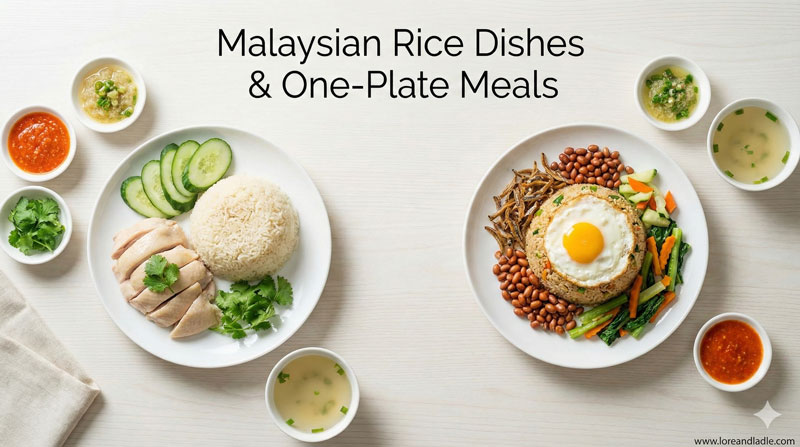
Nasi Goreng Kampung: The Malaysian Comfort Food You Need to Try Next
Nasi Goreng Kampung is more than a meal. It is a warm invitation into Malaysian Home Cooking. The dish blends simple ingredients into a fragrant, satisfying plate that welcomes you at any time of day. Village-inspired in spirit, it celebrates practical freshness and thoughtful balance. With every bite, you taste care, craft, and the joy of sharing food with loved ones.
What Is Nasi Goreng Kampung?
Nasi Goreng Kampung is a village-style fried rice popular in Malaysia. The base is yesterday’s rice fried quickly in a hot wok. It features protein such as chicken, shrimp, or eggs, and often includes ikan bilis (anchovies), tomatoes, peppers, and green beans. Aromatics like garlic and shallots build the aroma, while kecap manis or soy sauce adds a gentle sweetness and depth. The dish is usually finished with a crisp topping of fried shallots and cucumber slices on the side. The result is a hearty, flavorful plate that feels homemade and comforting.
The Flavor, Texture, and Technique
First, high heat and quick motions give the rice a lively, slightly smoky aroma called wok hei. Next, the fishy umami from ikan bilis deepens the savoriness without heaviness. The eggs, if used, create soft ribbons that mingle with the grains. Textures matter here: fluffy rice, lingering chew from vegetables, and a delicate crunch from fried shallots. The balance of sweet, salty, and a hint of chili creates a versatile dish that remains gentle on the palate while delivering bold satisfaction.
The Heart of Malaysian Home Cooking
Nasi Goreng Kampung embodies the essence of home cooking in Malaysia. It is a dish born in kitchens where leftovers find new life. Cooks adapt it to what’s on hand, arranging proteins, vegetables, and seasonings to fit the moment. This adaptability reflects a culture that values practical nourishment and thoughtful preparation. Sharing a plate of Nasi Goreng Kampung becomes a small ceremony of hospitality, inviting conversation as people gather around the table.
Fresh, Local Ingredients and Market Culture
Markets play a central role in shaping its flavor. Local ingredients—rice, ikan bilis, garlic, onions, chili, and fresh vegetables—arrive daily with stories of nearby farms and stalls. The dish benefits from bright vegetables and fragrant aromatics that speak of the day’s harvest. When cooks choose fresh ingredients, the result is vibrant flavors and a clean, uplifting aroma that anchors the meal in a sense of place.
Regional Variations and Personal Touches
Across villages and towns, variations emerge with personality. Some cooks add prawns or slices of tomato for brightness; others emphasize eggs as the main protein. The level of heat and the sweetness of the sauce can tilt toward spicy or milder profiles. What stays constant is the core idea: simple rice transformed with quick technique and a few pantry staples into a comforting, satisfying dish that carries local character in every bite.
Serving Traditions and Social Moments
Nasi Goreng Kampung is often served with crisp cucumber slices and a sprinkle of fried onions on top. A small portion of krupuk (crackers) may accompany the plate, adding a playful crunch. It makes a soothing breakfast for many, a hearty lunch, or a satisfying dinner. Sharing it with family or friends underscores the dish’s role in everyday life and in the small rituals of meal times.
Why It Feels Like Comfort Food
The dish speaks to slow, thoughtful cooking and the joy of making something tasty from simple ingredients. The aroma greets you before the first bite, and the balance of flavors settles in with ease. It offers nourishment without fuss, inviting you to pause, enjoy, and reflect on the care that goes into a well-made meal. In this way, Nasi Goreng Kampung becomes a reliable companion for everyday meals.
Conclusion
Nasi Goreng Kampung stands as a testament to Malaysian comfort and culinary craft. Its village roots, adaptable ingredients, and welcoming presentation make it a dish worth trying. It invites cooks of all levels to celebrate practical cooking, thoughtful seasoning, and the joy of sharing a warm plate with others. Give it a place on your table, and discover how this humble fried rice carries culture, heart, and flavor in every bite.