
Introduction
Welcome to a celebration of a beloved dish: Nasi Goreng Kampung Just Like a Malaysian Restaurant. This post shines a gentle light on its cultural value and culinary significance. The dish invites us into village-style kitchens and lively street stalls, where simple ingredients become expressive flavors. It speaks through aroma, color, and texture, and it helps us see how food builds connection, hospitality, and daily joy.
What Nasi Goreng Kampung Represents
Nasi Goreng Kampung is more than fried rice. It embodies a kitchen method passed from maker to maker in homes and small eateries. The kampung (village) spirit shows in how cooks adapt with what’s available, seasoning with care, and making a hearty plate that satisfies many senses. It is a dish of balance: savory depth from fried aromatics, a soft richness from the egg, a bright lift from vegetables, and a gentle warmth from chili. In this way, the dish stands as a bridge between everyday meals and restaurant-style pride.
Core Ingredients and Their Stories
- Rice: Day-old or cooled rice makes the best fried rice. It holds shape and creates the familiar, slightly chewy texture that fans expect.
- Aromatics: Shallots, garlic, and a touch of chili bring fragrance and warmth. They form the aromatic backbone that invites you in.
- Protein and savor: Ikan bilis (anchovy) or a light chicken option adds a savory umami note that many cooks treasure. Eggs contribute richness and a comforting finish.
- Vegetables: A small handful of greens or cabbage adds color, crunch, and balance to the dish.
- Sauce swirls: A dash of soy sauce and a hint of sweet soy sauce (kecap manis) give depth and a glossy finish. A squeeze of lime or wedges on the side can brighten the plate.
- Garnish: Fresh cucumber slices, fried shallots, and sometimes a crisp onion topping give contrast and a restaurant-like polish.
Each ingredient has a place in the story of home cooking. The way they come together reflects how families pass down flavor preferences, how markets shape what’s fresh, and how cooks adapt to seasons and what’s on hand. This makes Nasi Goreng Kampung a living tradition in daily life, not just a recipe on a page.
The Cooking Language: Techniques and Flavors
To capture the essence of a restaurant-style finish at Home, a few techniques matter:
– Heat and speed: A hot wok or skillet helps achieve a quick toss that prevents the rice from steaming and sticking. This is where wok hei—the breath of the wok—shows its magic. It’s the caramelized edge and subtle smoky aroma that signal skilled frying.
– Layered aroma: Start with aromatics, then add the chili paste or fresh chilies for a gentle kick. Build flavor before the rice joins the pan.
– Gentle egg play: Create a quick scramble in the wok and fold it through the rice. The egg should be tender, not dry, so every bite feels cohesive.
– Rice handling: Break any clumps, then fold rice evenly with the sauce and aromatics. A light touch preserves texture and lift.
– Finish with balance: Taste and adjust with a touch more salt, soy, or a touch of sweetness. The goal is a rich but balanced plate that still feels light.
These steps reflect how cooks honor tradition while embracing a modern kitchen. The result is a dish that feels both comforting and refined, suitable for sharing with friends and family at any table.
Restaurant-Grade Finish at Home
- Plan ahead: Use rice cooled after a previous meal. This helps create the distinct grain separation that makes fried rice appealing.
- Mise en place: Have everything ready before you heat the wok. This keeps the cooking rhythm fast and focused.
- Patience in the pan: While the rice is in motion, avoid overcrowding the pan. A hot surface works best with small, quick motions to keep each grain distinct.
- Finishing touches: A final drizzle of soy and a bright squeeze of lime can elevate the dish, giving it a restaurant-like brightness without overpowering the core flavors.
- Plating care: A neat pile of rice with a crisp garnish and a sunny-side or gently fried egg on top makes the plate inviting and complete.
With these practical steps, you can bring the spirit of a Malaysian restaurant into your home kitchen while staying true to the dish’s cultural roots. The aim is not only great flavor but also the sense of care that diners feel when a cook treats ordinary ingredients with respect and attention.
Plating, Aroma, and Experience
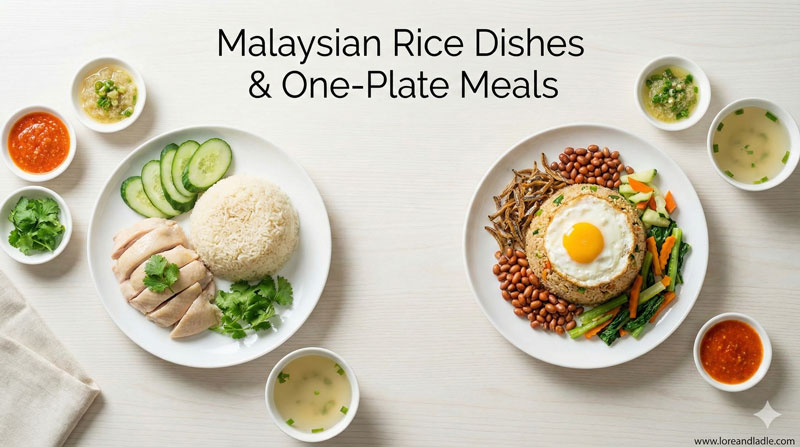
A plate of Nasi Goreng Kampung invites the eyes first: warm tones from the fried rice, a few green spears of vegetable, a bright egg or two, and a golden onion crunch on top. The aroma rises with cumin-scented warmth, garlic, and the tang of lime. The textures—soft rice, crisp vegetables, tender egg, and a subtle crackle from the garnishes—play together to create a comforting dining moment. This sensory experience anchors the dish in daily life and makes it a favorite for gatherings, casual meals, and quiet evenings alike.
The Cultural Value in Everyday Life
- Hospitality: Serving Nasi Goreng Kampung signals care and generosity. It welcomes guests with familiar flavors and a feel-good home kitchen vibe.
- Everyday artistry: The dish shows how cooks turn simple staples into something vibrant. It celebrates resourcefulness, creativity, and consistency in home cooking.
- Community resonance: Markets, family recipes, and neighborhood eateries all contribute to the dish’s evolving character. People share tips, spice levels, and ingredient options, enriching the dish as it travels from kitchen to kitchen.
- Food as memory: The flavors evoke memories of family meals, friendly chats, and the rhythm of daily life. This connection is at the heart of the dish’s enduring appeal.
A Simple, Respectful Approach to the Dish
If you want to explore this dish with respect for its roots, listen to your ingredients. Let the rice guide you to the right balance of salty, savory, and a touch of sweetness. Respect the heat of the chili without overpowering the dish. Embrace the chance to learn from what you have on hand—just as cooks in a village market would do. In doing so, you honor the dish’s place in the culinary landscape and celebrate its ability to bring people together.
Final Thoughts
How to Make Nasi Goreng Kampung Just Like a Malaysian Restaurant is really a study in culture as much as it is a recipe. It highlights how a simple fried rice becomes a shared ritual—an everyday masterpiece that travels from village kitchens to urban eateries, carrying stories of family, community, and care. By focusing on fresh ingredients, thoughtful technique, and respectful plating, you can create a plate that feels both authentic and accessible. Enjoy the journey of flavors, textures, and memories that this dish offers, and let it remind you of the beauty found in everyday cooking.