
From Jakarta to Your Kitchen: Nasi Goreng Made Simple
Introduction
Nasi goreng is more than a dish. It is a quiet ambassador of Indonesian listening to the heartbeat of daily life. In markets, homes, and small eateries, fried rice becomes a canvas for memory, craft, and care. The dish speaks in warm, toasty notes, a gentle sweetness, and a hint of spice. It invites cooks to celebrate resourcefulness and the joy of sharing a meal with others. This post explores its cultural value and culinary significance, inviting you to taste a flavor that is both familiar and remarkably expressive.
The Core of Nasi Goreng
Nasi goreng centers on a simple idea: transform leftovers into a flavorful, satisfying meal. The essential tool is the wok, used at high heat to crisp the rice and lock in aroma. Day-old rice gives the best texture, so grains separate and fry evenly without becoming mushy. Aromatics pull the dish toward depth: garlic and shallots perfume the oil, then a touch of chili wakes the palate. A glossy glaze comes from kecap manis, a sweet soy sauce that adds color, sweetness, and gentle umami. Egg, vegetables, and a protein such as chicken or shrimp round out the plate. Together, these elements create a harmony that feels both everyday and festive.
The Flavor Formula
Nasi goreng shines because of balance. Sweet, savory, smoky, and a touch of heat converge in each bite. The kecap manis provides body and a caramelized edge, while garlic and shallots offer savory depth. A quick kiss of smokiness comes from the hot wok, and chilies or sambal add brightness and life. Texture punctuates the dish: crisp edges meet soft, tender centers. This balance makes nasi goreng versatile enough for a humble breakfast or a satisfying dinner, yet refined enough to feel special.
The Technique
Crafting nasi goreng is a study in timing and temperature. Start with a hot, lightly oiled wok. Sauté the aromatics until they glisten and release scent. Add your protein and cook just enough to loosen any chill from the fridge. Then flood the pan with rice, breaking clumps and tossing to distribute color evenly. Drizzle kecap manis and season with salt and pepper, stirring to coat every grain. If you like, scramble an egg in the cleared space of the wok and fold it into the fried rice. Finish with greens or scallions for a fresh finish. The method is quick, precise, and deeply satisfying.
Cultural Value and Everyday Life
Nasi goreng sits at the heart of Indonesian home cooking. It is a flexible, forgiving dish that welcomes whatever is on hand, making it a reliable choice for small kitchens and busy mornings alike. The dish teaches care in technique—how a moment of high heat and rapid stirring can transform leftovers into a vibrant centerpiece. It also reinforces a sense of togetherness: families share, adapt, and celebrate the meal as a reflection of daily life. In markets and eateries, nasi goreng demonstrates the rhythm of Java and beyond, a shared language of flavor that travels from stall to stove and home table without losing its essence.
Regional Expressions Across Java and Beyond
While nasi goreng originates in Indonesian cooking, regional tilts add color to its story. In Jakarta and nearby areas, the dish often blends with simple ingredients to create a satisfying, fast meal. In other regions, you may find nasi goreng kampung (village fried rice), which emphasizes vegetables and a heartier texture. Some cooks top nasi goreng with a fried egg, add crunchy krupuk (crackers) on the side, or mix in local vegetables and herbs. These variations highlight creativity within a shared method, underscoring how a single dish can carry many local voices while remaining distinctly Indonesian.
Serving Traditions and Pairings
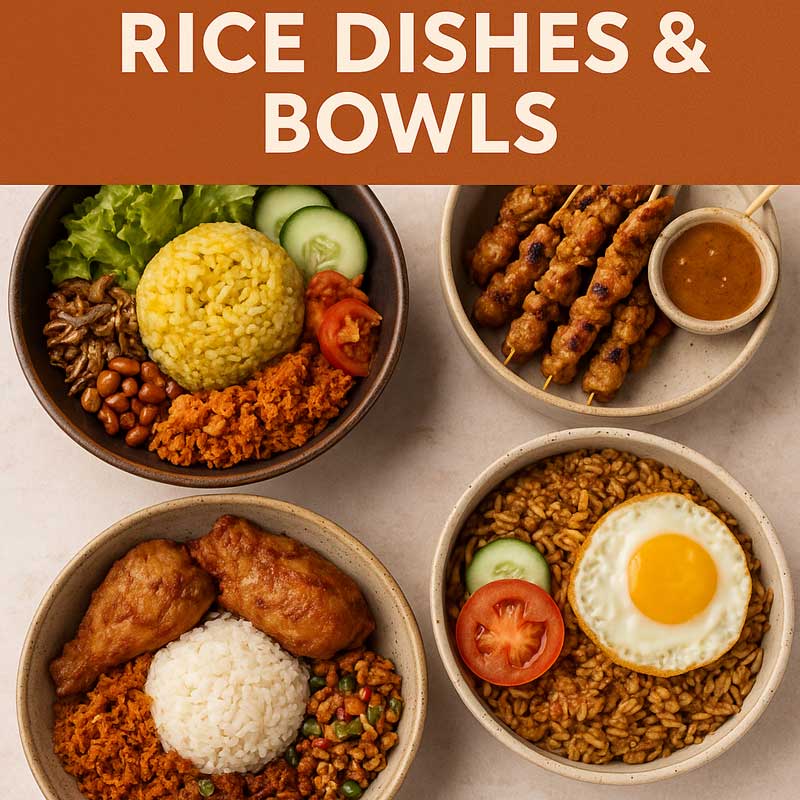
Serving nasi goreng is as thoughtful as preparing it. Plate the rice with a crisp cucumber slice and tomatoes for brightness. A few fried shallots or scallions add a delicate crunch and aroma. Place a crisp prawn cracker on the side for texture, if you like. A fried egg on top is a classic touch that elevates the dish and enhances its comforting feel. For beverages, a light tea or a chilled herbal drink complements the savory richness without overwhelming it. The presentation invites conversation and savor, turning a simple supper into a small celebration of taste.
Simple Steps to a Memorable Nasi Goreng
- Gather the essentials: day-old rice, garlic, shallots, kecap manis, chili or sambal, eggs, and a protein of your choice.
- Prepare aromatics and proteins first; keep components ready to go so the stir-fry stays fast.
- Heat a large wok over high heat; add oil and the aromatics, cooking until fragrant.
- Add the protein and cook briefly; then fold in the rice, breaking any clumps.
- Drizzle with kecap manis, season to taste, and toss until every grain glistens.
- Create a space in the wok to scramble an egg, then mix it through the rice.
- Finish with herbs or greens, and serve with cucumber slices, tomato wedges, and optional krupuk.
- Enjoy immediately for the best texture and aroma.
Closing Thoughts
Nasi goreng is a bright thread in the fabric of Indonesian cuisine. Its appeal lies in simplicity and adaptability, in the way it invites cooks to shape a meal around what they have, while preserving a core sense of flavor and tradition. By bringing this dish into your kitchen, you participate in a shared culinary heritage that honors craft, memory, and the pleasure of eating well. Let nasi goreng be a welcoming doorway to Indonesian cooking—easy to Make, rich in cultural value, and delicious in every bite.