
Nasi Goreng: The Heart of Indonesian Comfort
Nasi Goreng shines as a simple yet beloved dish. It starts with day-old rice that absorbs flavors with ease. A swirl of garlic, shallots, and a kiss of sweet soy gives it depth. A gentle splash of chili paste or fresh chilies adds warmth without overpowering the palate. A fried egg on top completes the plate, adding richness and a gentle contrast in texture. In homes and casual eateries, this dish feels welcoming and familiar. It invites sharing, improvisation, and the joy of turning leftovers into something special. The result is a meal that feels both humble and celebratory at the same time.
The Flavor Language: What Makes Nasi Goreng Special
Nasi Goreng speaks in layers. The base is savory and aromatic, built on aromatics that awaken the senses. Sweet soy (kecap manis) brings a gentle, syrupy sweetness that harmonizes with a touch of salty soy. A hint of sambal or chili paste adds brightness and structure. The eggs, sometimes tucked into the fried rice, add silkiness. Texture matters here: bits of crisped rice, tender vegetables, and a soft fried egg on top create a satisfying contrast. The dish is flexible, so cooks can tailor it to the ingredients at hand while preserving its distinct, comforting aroma. This culinary language resonates with many households, making Nasi Goreng a reliable go-to for a tasty, balanced meal.
Popularity in America: A Bridge of Flavor
in America, Nasi Goreng is cherished for its clarity and ease. It can be prepared quickly, using common kitchen staples. Restaurants feature it as a welcoming introduction to Indonesian flavors, while Home Cooks adapt it to their pantry. The dish travels well in lunch boxes and weeknight dinners, offering a quick gateway to a new cuisine without sacrificing comfort. Its popularity grows from the ability to celebrate flavor with everyday ingredients. The result is a dish that feels both exotic and approachable, inviting a broader audience to savor Indonesian culinary artistry.
Other Easy Indonesian Dishes Loved in America
- Mie Goreng (fried noodles): A versatile noodle dish with a savory touch, vegetables, and optional protein.
- Satay: Tender skewers with a nutty dipping sauce, ideal for sharing and casual meals.
- Gado-Gado: A vibrant vegetable salad with a creamy peanut sauce, balancing freshness and richness.
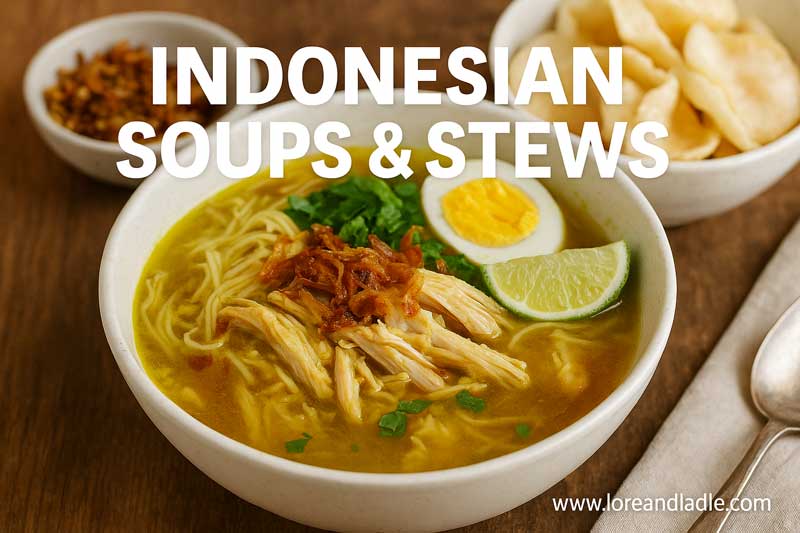
- Soto Ayam: A clear, fragrant chicken soup that warms the palate.
- Bakso: Round meatballs in a comforting broth, easy to enjoy as a snack or meal.
- Pisang Goreng: Crispy fried bananas offering a sweet finish.
Each dish shares a spirit of accessibility and warmth, making Indonesian flavors inviting to a broad audience. They highlight a culture that values balance, texture, and joyful meals.
Cooking Techniques and Accessibility
Nasi Goreng is especially home-chef friendly. A hot wok or skillet helps crisp the rice. Start by sautéing aromatics, then add rice and seasonings. Stir briskly to keep the grains separate and to distribute flavor evenly. A quick finish with vegetables and protein keeps the dish lively. Topping with a fried egg or a simple protein option makes the plate complete. The technique emphasizes clarity and speed, rewarding careful timing and good mise en place.
Ingredients and Regional Variations
Indonesian cuisine offers a spectrum of regional flavors. In Java, the dish leans into sweet-soy balance and a gentle heat. In Sumatra, a bolder kick may appear via chili and spice blends. Common elements include rice, garlic, shallots, and kecap manis, with vegetables, egg, and optional meat or seafood. Fresh herbs and a bright lime wedge can brighten the plate. Adapting to American markets means using accessible ingredients while preserving the dish’s essential harmony and aroma. The result remains distinctly Indonesian in spirit, even as it travels and adapts.
Culinary Significance and Social Value
Food acts as a bridge to culture, and Nasi Goreng stands as a welcoming ambassador. It embodies practicality, warmth, and shared joy. The dish encourages conversation around the table, inviting cooks to experiment and to celebrate a home kitchen’s creativity. Its versatility mirrors everyday life: a simple, reliable meal that becomes more special with care. In gatherings and casual dining alike, Nasi Goreng delivers comfort without complexity, honoring a culinary tradition that values balance, texture, and heart.
Quick Guide to Getting Started
- Gather: day-old rice, garlic, shallots, kecap manis, optional chili paste, vegetables, and protein.
- Sauté: heat oil, then cook aromatics until fragrant.
- Combine: add rice, seasonings, and vegetables; stir until evenly coated.
- Finish: top with a fried egg or your preferred protein.
- Serve: a squeeze of lime or a fresh herb can brighten the plate.
Final Thoughts: A Taste of Indonesian Hospitality
Nasi Goreng and its easy companions offer more than flavor. They present a thoughtful approach to cooking that loves simplicity, balance, and sharing. In America, these dishes become everyday rituals—quick, comforting, and deeply respectful of culinary craft. They invite people to explore Indonesian flavors with confidence and joy, celebrating the beauty of well-prepared, honest food.