
Nasi Goreng Pattaya: A Dish U.S. Food Lovers Are Craving Right Now
Today we explore Nasi Goreng Pattaya Recipe That U.S. Food Lovers Are Craving Right Now. This dish invites you into a world where texture, aroma, and color work together. It is more than a meal; it is a celebration of heritage, technique, and the joy of shared plates. The Pattaya style wraps fried rice in a delicate omelette, then brings brightness with sauces and fresh vegetables. Its appeal in the United States comes from balance, craft, and the story the plate tells.
What Is Nasi Goreng Pattaya?
Nasi Goreng Pattaya is a fried rice dish finished with an egg omelette that folds around the rice. The name Pattaya nods to a distinctive look: a thin, glossy omelette encasing a savory rice filling. The result is a compact, easy-to-cut portion that reveals a warm center of seasoned rice. This presentation makes the dish feel both comforting and refined. It blends the heartiness of fried rice with the elegance of a paneled egg shell, creating a striking contrast in every bite.
Cultural Value and Culinary Significance
This dish embodies the talent of Southeast Asian street and home kitchens to balance flavors and textures. The rice carries savory depth from aromatics and sauces, while the omelette introduces lightness and silk. The combination shows how eggs, rice, and herbs can become a single, cohesive experience. It also highlights how cooks layer color and aroma, turning simple ingredients into a visually inviting plate. For U.S. diners, it offers a window into a regional approach to fried rice—where technique, presentation, and a careful sauce finish elevate everyday staples.
The Craft: Omelette Wrapping Technique
Mastery in this dish starts with the omelette. A thin, soft omelette acts as a canvas for the rice. The cook works with medium heat to avoid browning too quickly, then slides the rice toward the center and folds the edges to enclose the filling. The goal is a smooth shell with a gentle bite that matches the texture of the rice inside. Timing matters: the omelette should be barely set, not stiff, so it remains pliable when sliced. When done well, the slice reveals a tidy seam and a warm, inviting cross-section.
Ingredients and Flavor Harmony
The beauty of Nasi Goreng Pattaya lies in balance. The base is fried rice—usually day-old rice for texture—seasoned with garlic, shallots, a touch of chili, and a splash of soy or fish sauce. Optional proteins like shrimp, chicken, or pork add savor without overpowering the dish. Fresh vegetables or herbs provide brightness and crunch. The finishing sauces—often a sweet chili sauce or a tangy lime-based dip—pull everything together. The omelette adds softness, and the rice provides depth, so every bite feels complete.
Visual Story and Serving Style
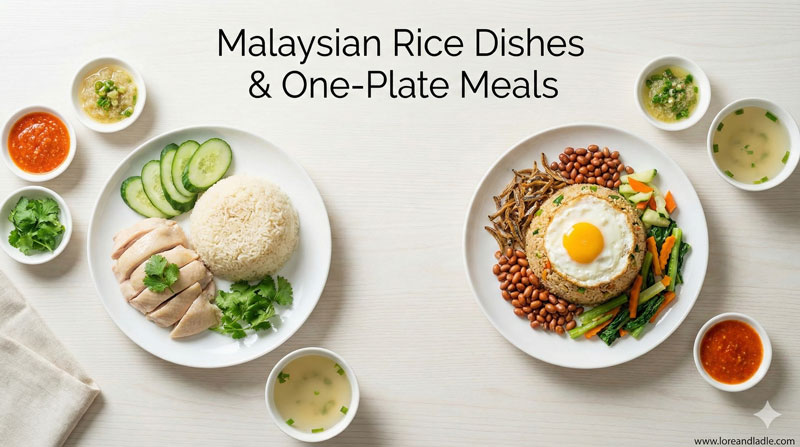
Plating makes this dish especially appealing. The glossy egg shell sits atop a neat mound of rice, offering a warm color contrast against greens and reds from herbs and vegetables. A wedge of cucumber or tomato, a lime half, and a line of bright sauce complete the plate. This presentation invites shareable photos and a sense of occasion, even in a home kitchen. The visual rhythm—gold egg, brown rice, green herbs—adds to the dining experience.
From Street Food to Home Kitchen
Many cooks first encounter this dish in markets or small eateries, where it shines in its compact form and bold taste. In homes, the recipe becomes a reliable canvas for customization. Leftover rice, the pantry’s sauces, and a choice of protein all blend into a personal interpretation. This adaptability helps explain its popularity in the United States, where eaters seek recipes that are both approachable and expressive. The dish supports social cooking, as it invites sharing and playful plating.
Variations and Personal Touches
There is room for personal expression. Try a lighter omelette with fewer fillings for a delicate bite, or add herbs like scallions, cilantro, or Thai basil for fragrance. For a vegetarian version, use tofu or mushroom as the main protein and a soy-based seasoning. A touch of kecap manis can deepen sweetness, while lime juice brightens the finish. Cucumber ribbons or pickled vegetables add a crisp counterpoint. Each tweak preserves the core joy of the dish while letting the cook showcase preferences.
Plating and Pairings
Pair this dish with fresh greens or a crisp Asian cucumber salad to balance the richness. A light broth or a citrus soda can cleanse the palate between bites. For a larger meal, serve Nasi Goreng Pattaya alongside simple proteins or a small noodle dish to create a varied plate. The dish thrives on practical, flavorful accompaniments that heighten the overall experience without overpowering the egg-wrapped core.
Embracing the Dish in Everyday Meals
In daily cooking, this recipe stands out for its accessible technique and its celebration of core ingredients. It invites cooks to think about texture, color, and aroma in a single plate. It also encourages mindful timing—how long to fry the aromatics, when to add sauces, and How to achieve that tender omelette shell. By embracing these details, Home Cooks can recreate a restaurant-like impression at a comfortable pace.
Conclusion: A Delicate Balance of Tradition and Taste
Nasi Goreng Pattaya offers more than flavor; it offers a conversation on texture, technique, and presentation. The dish honors simple ingredients while elevating them through careful wrapping and finishing touches. For U.S. food lovers, it provides a memorable bridge to Southeast Asian culinary artistry—one that is delicious, visually inviting, and respectful of its roots. Whether enjoyed as a special meal or a confident weeknight plate, this egg-wrapped fried rice remains a graceful, satisfying expression of culture and craft.