
Introduction
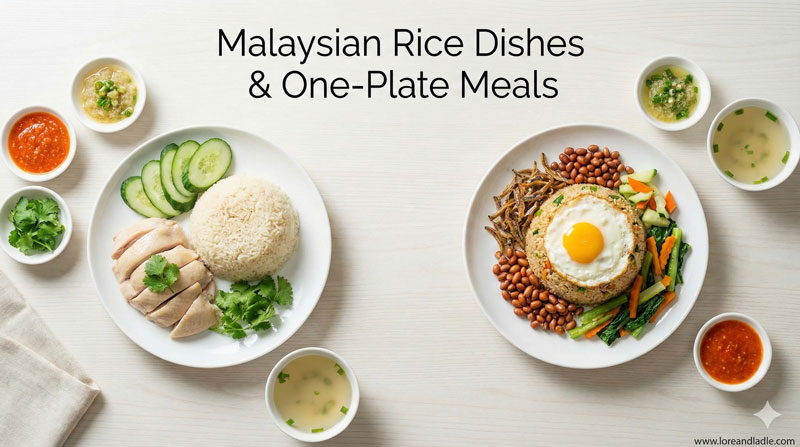
Nasi Goreng Pattaya is a delightful example of Malaysian-style Comfort Food. This dish takes humble, everyday rice and elevates it with a silky omelette shell, creating a warm and inviting plate. In homes and in restaurant kitchens, it speaks to a love of balance, texture, and aroma. When you make it, you honor a tradition of turning simple ingredients into something memorable. The result is a dish that feels both familiar and special, reflecting the care people bring to shared meals.
Why Nasi Goreng Pattaya matters in Malaysian cuisine
Nasi goreng itself is a cornerstone of Malaysian dining, cherished for its flexibility and depth of flavor. Pattaya adds a refined twist: the fried rice is wrapped in a soft omelette, then served with fresh accompaniments. This presentation highlights the artistry in everyday cooking and the joy of plating that restaurant-style dishes can bring to home kitchens. The dish celebrates culinary imagination—how a few pantry staples can become a fragrant, delicious centerpiece. It also showcases the social side of food: the way a family recipe, a street stall idea, or a chef’s special can spark conversation and shared delight around the table.
Core flavors and textures
This dish blends sweet, salty, and savory notes with a gentle heat. The fried rice carries garlic, shallots, and a splash of sweet soy sauce for depth. The omelette offers a soft, custardy interior and a slightly crisp edge. The result is a pleasing contrast: tender rice and filling inside, a delicate egg wrapper, and crisp edges when you finish the dish in a hot pan. Fresh cucumber or tomato on the side adds brightness and balance. Together, these elements honor the Malaysian palate’s love for harmony among flavors and textures.
The technique that makes it restaurant-like
The beauty of Nasi Goreng Pattaya lies in two simple techniques: making a smooth omelette sheet and folding rice into a neat wrap. The omelette should be thin enough to fold easily, yet sturdy enough to hold the filling. The fried rice should be seasoned just enough to stand up to the egg, without becoming too salty. Finally, a quick finish in a hot pan can seal the wrap and bring out a light sheen. When done well, the dish looks polished and invites a first bite with anticipation.
Ingredients for a restaurant-like result
- Day-old cooked rice (preferably a bit drier)
- Eggs
- Small chicken pieces or shrimp (or a combination)
- Garlic and shallots
- Soy sauce and a touch of sweet soy sauce (kecap manis)
- Salt and white pepper
- Neutral oil for cooking
- Optional: peas, carrot dice, green onions
- Slices of cucumber and tomato for plating
- Optional garnish: fried shallots or sesame seeds
Step-by-step: making it at home
1) Prep the rice: fluff and let it dry a bit so it grains well.
2) Cook the filling: sauté garlic and shallots in oil, add chicken or shrimp, cook through, then stir in the rice with soy sauces.
3) Make the omelette: beat eggs with a pinch of salt. Pour a thin layer into a wide, hot pan and cook until just set, forming a circular sheet.
4) Assemble: place a generous spoonful of seasoned rice onto the center of the omelette. Fold the sides over to enclose the filling, forming a neat bundle.
5) Finish: give the wrap a brief second fry in the pan to crisp the edge lightly and heat through.
6) Plate: set the wrap on a plate with cucumber and tomato, and sprinkle with fried shallots or sesame if you like.
Plating and serving
Light, fresh sides elevate the dish without stealing focus. Arrange cucumber slices and tomato wedges beside the omelette-wrapped rice. A light drizzle of soy glaze or a tiny dollop of sambal on the side invites a gentle heat for those who want it. A small scatter of fried shallots adds texture and aroma. The plate should feel balanced, inviting, and respectful of the dish’s careful construction.
Cultural value: shared meals and culinary technique
Nasi Goreng Pattaya embodies a spirit of hospitality. It invites cooks to practice patience, precision, and creativity. The omelette wrap demonstrates technique without overwhelming flavor; the rice shows how pantry staples can be transformed with a thoughtful touch. Sharing this dish strengthens everyday traditions—family dinners, Weekend Gatherings, and friendly meals at a favorite restaurant. It celebrates the beauty of careful knife work, even heat control, and the joy of presenting something that looks as good as it tastes.
Final thoughts
This dish stands as a vibrant example of Malaysian culinary artistry: simple ingredients elevated through technique, balance, and care. Nasi Goreng Pattaya Just Like a Malaysian Restaurant invites you to explore texture, aroma, and flavor with confidence. Enjoy the process, honor the dish’s place in food culture, and savor the warm, welcoming experience it creates at the table.