
Introduction
Welcome to a celebration of flavor, technique, and cultural expression. The dish we explore here is the bold and inviting Better-Than-Takeout Nasi Goreng USA You Can Make in Your Own Kitchen. It sits at an intersection of tradition and Home Cooking, inviting you to savor Indonesian-inspired fried rice with a modern, American kitchen in mind. The focus is on how this dish embodies culinary creativity, shared meals, and the joy of mastering a timeless technique in everyday life.
The heart of the dish: flavor, texture, and technique
Nasi goreng captures a refined balance of aroma, color, and texture. It centers on fried rice that carries the sweetness of soy sauce, the warmth of garlic and shallot, and the gentle heat of chili or sambal. The pan-work matters just as much as the ingredients. A hot wok or skillet sears the rice quickly, giving tiny crusts that add chew and depth. Topping the dish with a sunny-side-up or softly fried egg elevates the presentation and the palate, blending rich yolk with crisp-edged rice. The result is a dish that feels both comforting and bright, a versatile canvas for proteins, vegetables, and a splash of tangy heat. In this sense, nasi goreng is not a single recipe but a method: quick, high-heat cooking that marries aroma, color, and balance.
From Indonesia to home kitchens in the USA
This dish travels well into American home kitchens because its core idea is simple yet expressive: transform leftovers or pantry staples into a satisfying, flavor-packed meal. In Indonesia, nasi goreng is a daily jewel, often enjoyed at breakfast or lunch, and it adapts to what is on hand. in the United States, this adaptability shines even more clearly. Home Cooks can pair the fried rice with chicken, shrimp, or tofu; add vegetables from the fridge; and adjust heat to suit personal tastes. The essence remains: a dish that invites experimentation while honoring a tradition of quick, satisfying cooking. The result is a bridge between everyday pantry staples and a refined, globally inspired plate.
The flavor map: core components and how they sing together
The dish relies on a few well-chosen elements that harmonize:
- Aromatics: garlic and shallots provide a fragrant foundation that signals immediacy and care.
- Sweet-savory backbone: kecap manis or a balanced substitute brings caramel sweetness and depth, tying the flavors together.
- Heat and brightness: a touch of chili or sambal adds liveliness without overwhelming the dish.
- Protein and texture: eggs, plus optional meats or tofu, contribute protein and a contrast of textures.
- Fresh lift: scallions or herbs at the end add a crisp, fresh note that keeps the dish lively.
Together, these parts create a flavor profile that is recognizable, comforting, and adaptable. The technique—high-heat stir-frying—ensures the rice remains light and each grain shines, rather than turning mushy. This balance is a key culinary signature of nasi goreng, and it translates beautifully to home kitchens across the USA.
Plating, presentation, and the joy of serving
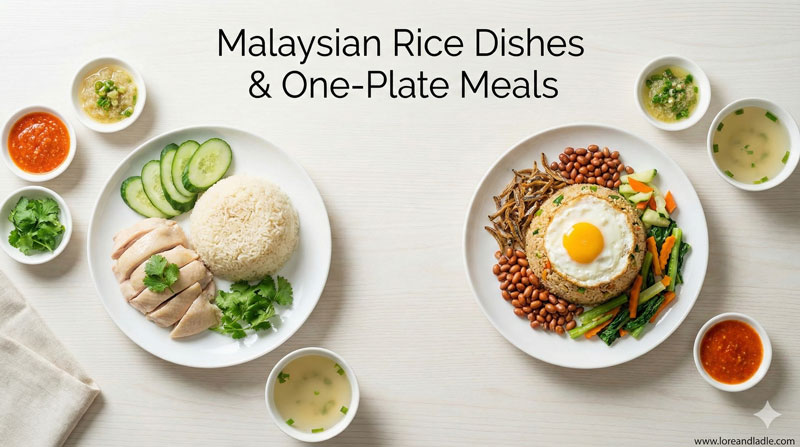
Plating matters because it signals hospitality and care. A neat bed of fragrant rice, a bright egg on top, and a scatter of green onions or herbs makes the dish inviting. The aroma alone invites curiosity and conversation. When served, it communicates a moment of shared warmth—an everyday feast that fits into family meals, weekend gatherings, or quick weeknight dinners. The visual appeal pairs with the savory aroma to create an experience that feels attentive and comforting.
Cultural value and culinary significance
Nasi goreng holds a special place in culinary culture for its clever use of simple ingredients to create something memorable. It showcases how flavor can emerge from restraint and timing, turning ordinary rice into a celebratory dish. The dish highlights the beauty of regional ingredients working in harmony—sweet soy, garlic, and a touch of heat—while inviting personal expression through proteins, vegetables, and garnishes. In homes and kitchens, this dish becomes a small act of culinary craft: a moment to honor tradition while making it your own.
In addition, nasi goreng illustrates the universal appeal of a good fried rice: it is accessible, adaptable, and deeply satisfying. It invites shared meals, conversation, and the pleasure of a dish that can be tailored to different tastes without losing its essence. The name we celebrate, Better-Than-Takeout Nasi Goreng USA You Can Make in Your Own Kitchen, embodies this spirit: the promise that a beloved takeaway favorite can become an even closer, more personal version when you cook at home.
Tips for success and graceful adaptation
- Rice matters: use cooled or day-old rice for the best texture; fresh rice can be too soft and clump easily.
- High heat, quick motion: a hot pan and fast stirring help achieve the desired wok-tiniest texture.
- Flavor layering: add kecap manis gradually so the dish stays balanced and not overly sweet.
- Customize with care: choose proteins and vegetables you enjoy and that fit your pantry, then adjust salt and heat accordingly.
- Finish with freshness: a final sprinkle of green onions or a squeeze of lime brightens the plate.
Conclusion
Better-Than-Takeout Nasi Goreng USA You Can Make in Your Own Kitchen invites you to a culinary moment that is both deeply rooted and wonderfully personal. It honors a tradition of quick, flavorful cooking while welcoming modern home cooks to shape it with their own ingredients and tastes. The dish shines as a testament to cultural value in food: how simple techniques and well-chosen flavors can create comfort, connection, and a sense of pride in the kitchen. Enjoy the aroma, the texture, and the balance—then share and savor the story of this remarkable fried rice.