
Introduction: A Food Journey Worth Sharing
Nasi Goreng USA Just Like a Malaysian Restaurant invites you to explore a dish that travels with flavor, technique, and heart. This fried rice is more than a meal; it is a bridge between home kitchens in the United States and the vibrant kitchens of Malaysia. The result is a bowl that celebrates balance—glossy rice, warm aromatics, gentle heat, and a touch of sweetness. Read on to discover its cultural value and culinary significance, and How to make it in a way that honors both tradition and everyday cooking.
The Cultural Value of Nasi Goreng
Nasi Goreng sits at the center of many Southeast Asian dining moments. It is a versatile dish that welcomes leftovers, fresh ingredients, and creative twists. In Malaysian dining culture, fried rice often becomes a shared experience—carefully prepared, then enjoyed together. Its color, aroma, and texture tell a story of resourcefulness, hospitality, and attention to detail. Making Nasi Goreng USA in a Malaysian restaurant style brings a sense of place to home kitchens, letting families and friends savor a tradition that travels well. The dish models how technique shapes flavor: hot wok, quick tossing, and mindful balance of sweet, salty, and aromatic notes.
Culinary Significance in Malaysian Restaurant Traditions
In Malaysia, Nasi Goreng is more than comfort food; it is a canvas for regional flavors and personal touch. The dish often features kecap manis (sweet soy) for a caramel sheen, a hint of chili for warmth, and a kiss of garlic and shallot for depth. Wok hei—the crisp, smoky aroma that rises from a very hot pan—signals expert control of heat and timing. The egg that crowns the dish adds richness, while toppings like fried shallots and cucumber slices provide texture and freshness. The dish showcases how simple ingredients can be coaxed into complex flavors with technique, balance, and patience. This culinary signature travels easily to the USA, where cooks can honor the essence while adapting to local markets.
Bringing Nasi Goreng USA to Life
In the United States, you can recreate the Malaysian restaurant experience by focusing on three things: authentic flavor foundations, high-heat technique, and thoughtful presentation. Start with a base of fragrant aromatics, then fold in protein and rice with care. The result should feel cohesive, with a glossy finish, a kiss of sweetness, and a subtle sour note that brightens the plate. This approach respects the dish’s origins while inviting home cooks to participate in the craft. The key is clarity: clear flavor layers, well-tossed rice, and a final touch that makes the plate look as inviting as it tastes.
Core Ingredients and Substitutions for USA Kitchens
- Rice: Use day-old or cooled cooked rice for the best texture. If you only have fresh rice, spread it out to dry a little before frying.
- Aromatics: Garlic and shallots offer the classic depth. White part of scallions adds brightness at the end.
- Sauces: kecap manis (sweet soy sauce) gives the signature color and sweetness. Soy sauce provides salt. A touch of fish sauce or a light chicken stock can deepen the umami if you like.
- Heat and flavor: Sambal or chili paste for heat; a small amount of lime juice can brighten the finish.
- Protein: Chicken, shrimp, or tofu can be used alone or in combination. A light marinade enhances flavor without overpowering the rice.
- Garnishes: Fried shallots, cucumber slices, tomato wedges, and a fried egg on top. Optional crackers add a crisp finish.
Tips for USA cooks:
– If kecap manis is hard to find, blend regular soy sauce with a touch of brown sugar to mimic the sweet, dark glaze.
– Fresh chili or sambal paste can be adjusted to personal heat tolerance.
– Choose a well-seasoned wok or a heavy skillet to help achieve a good sear and the sought-after wok hei.
Step-by-Step: Making Nasi Goreng USA Just Like a Malaysian Restaurant
1) Gather ingredients and set up a hot wok or wide skillet. Have everything within reach for quick cooking.
2) Prep aromatics: finely chop garlic and shallots. Slice proteins into bite-sized pieces.
3) If using eggs, whisk lightly with a pinch of salt and pepper.
4) Cook protein first: heat oil, quickly sauté until just browned, then remove and set aside.
5) Add a bit more oil if needed and stir-fry the aromatics until fragrant and golden.
6) Add a touch of sambal or chili paste; stir to release heat and aroma.
7) Add day-old rice, breaking any clumps. Toss gently to coat each grain with oil and seasoning.
8) Return the protein to the pan and fold in kecap manis and soy sauce. Stir until the rice has a glossy, even color.
9) Adjust seasoning with salt, fish sauce, or a squeeze of lime if desired.
10) Push the center of the wok, pour in the eggs, and scramble quickly. Once set, fold into the rice.
11) Finish with a light green onion or scallion scatter and a final toss to combine flavors.
12) Plate with a fried egg on top, cucumber slices, tomato wedges, and fried shallots for texture. Serve immediately and enjoy the aroma.
Presentation and Experience
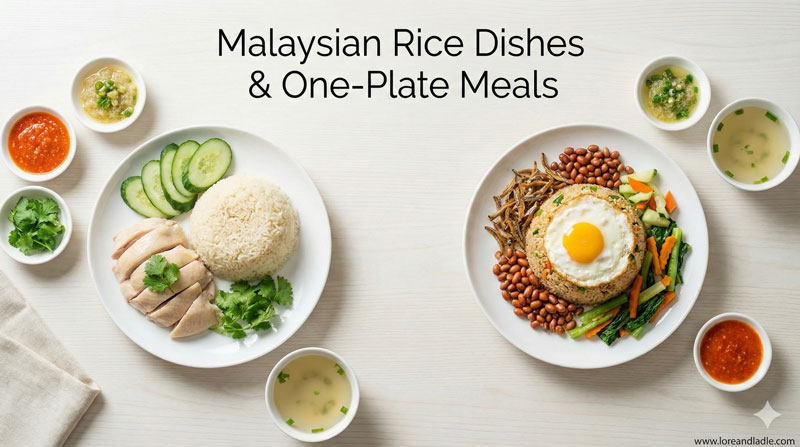
Serving Nasi Goreng USA in a Malaysian restaurant style emphasizes visual appeal and texture. A glossy, richly colored rice nest sits beneath a bright, sunny fried egg. The cucumber and tomato slices add cool freshness, while fried shallots deliver a delicate crunch. If you like extra crunch, a handful of crackers or prawn crackers can accompany the dish. A light drizzle of sambal at the side lets each diner control heat. The presentation invites conversation and shared tasting, reinforcing the dish’s role as a social and cultural moment.
Respectful Appreciation and Everyday Joy
This dish invites you to slow down and savor a well-crafted meal. It honors the science of cooking—the balance of heat, timing, and aroma—while welcoming home cooks to put their own stamp on the recipe. Nasi Goreng USA Just Like a Malaysian Restaurant is a reminder that food carries culture through flavor, technique, and care. By exploring its textures and scents, you connect with a tradition that values simplicity, generosity, and joyful eating.
If you are curious to dive deeper, try variations that highlight regional flavors or seasonal produce. The core idea remains the same: a fragrant, well-balanced fried rice that tells a story of craft, hospitality, and shared meals. Enjoy discovering the beauty of nasi goreng in your own kitchen, and let each plate celebrate the timeless appeal of Malaysian-inspired cooking.