
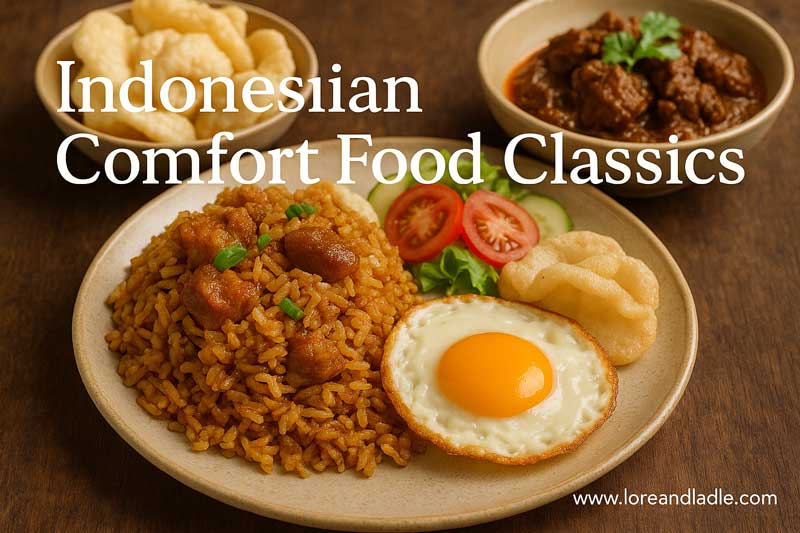
Nasi Kuning 101: Simple Ways to Unlock Big Indonesian Flavor
Nasi Kuning is more than a dish. It is a bright expression of hospitality, family, and gathering. The golden grains invite conversation and share. In homes and at community events, this yellow rice marks moments of joy and togetherness. The aroma and colors tell a story about care, craft, and a love of food that travels well beyond a single kitchen.
What Nasi Kuning Reveals About Indonesian Culture
In Indonesia, meals are social events. Nasi Kuning anchors those moments with warmth and welcome. The dish often appears as a centerpiece for celebrations, ceremonies, and casual get-togethers alike. It signals a shared meal prepared with attention and pride. Families pass down small secrets—from the fragrance of fresh ingredients to the rhythm of steaming rice. In this way, Nasi Kuning is a living thread in daily life, linking generations through taste, memory, and the ritual of dining together. The color itself—golden yellow—conveys brightness, luck, and hope, adding a symbolic layer to the meal.
The Flavorful Palette: Core Ingredients and Their Roles
The heart of Nasi Kuning is simple and smart. Turmeric gives the rice its signature hue and a warm, earthy note. Coconut milk adds richness and a gentle sweetness that balances the spices. Pandan leaves lend a subtle vanilla-like aroma, while lemongrass and garlic provide fresh lift and depth. Shallots round out the fabric with a savory sweetness. A pinch of salt invites every other flavor to sing. When the rice finishes steaming, the kitchen fills with a comforting, creamy fragrance. Extra touches—fried shallots, cucumber slices, and crisp crackers—show hospitality and care in presentation.
Techniques That Elevate Flavor
To unlock big Indonesian flavor, focus on balance and technique. Toasting the aromatics briefly in oil awakens their essential oils and brightens the fragrance. Simmer the rice slowly with coconut milk and a touch of water, then let it rest after cooking to let the grains separate and settle. Pandan and lemongrass should stay in the pot long enough to perfume, but not dominate. A gentle, even steam keeps the rice tender and fluffy. Finish with a light sprinkle of fried shallots for texture and color. These small, deliberate steps create a dish that feels both grounded and celebratory.
Presenting Nasi Kuning: A Feast for the Senses
Presentation matters as much as flavor. In many homes, Nasi Kuning is plated on a banana leaf or a simple plate with care. The rice sits beside crisp accompaniments: cucumber slices for freshness, fried shallots for crunch, perhaps a few pieces of fish or chicken, and a drizzle of sambal for brightness. The golden grains invite the eye first, then the nose and palate. This harmony of color, aroma, and texture makes the meal inviting and comforting. The act of serving becomes a moment of sharing, not simply eating.
Regional Voices: How Nasi Kuning Echoes Across Indonesia
Indonesia’s regions add subtle flavors to the same core idea. Java tends toward balanced, aromatic notes that let turmeric, coconut, and pandan shine. Bali brings a floral brightness through herbs and fresh garnishes. Sumatra offers a heartier, richer profile with robust accompaniments. Across islands, cooks adapt the rice to local tastes while preserving the dish’s essence: a golden, fragrant foundation that welcomes a variety of sides. This regional versatility reveals a culinary language that is cohesive yet diverse, always centered on hospitality and shared meals.
Keeping the Flame Alive: Simple, Respectful Practices
To honor Nasi Kuning, approach it with patience and care. Use fresh ingredients, especially coconut milk and turmeric. Gentle heat and steady steam yield the best texture. Respect the balance among sweetness, aroma, and savoriness. Share the final dish with others, savoring the moment together. In this way, Nasi Kuning remains more than food; it becomes a cultural touchstone, inviting reflection on togetherness, craft, and the beauty of Indonesian flavors.
If you’re new to this dish, start by exploring the core ingredients and the idea of hospitality baked into the cooking. Let the color guide you, and let the aroma invite you to gather. In every bite, you’ll taste a tradition that honors family, community, and the gentle art of turning simple ingredients into something warmly memorable.