
Nasi Kuning: An Easy Indonesian Classic to Try in the U.S.
Nasi kuning, or yellow rice, shines with a bright, inviting color and a warm aroma. In Indonesian kitchens, this dish signals welcome, celebration, and shared meals. in the United States, it offers a gateway to Indonesian culinary tradition that is approachable for home cooks. The dish blends simple ingredients with a cheerful presence, inviting families and friends to gather around the table.
The scent of turmeric and coconut fills the air as the rice cooks. This aroma brings to life a sense of hospitality. The golden hue appears like a small celebration on a plate. A modest bowl of nasi kuning can carry big cultural meaning, showing how food can honor guests and sustain connection. In the U.S. kitchen, the dish remains friendly to beginners while revealing layers of Indonesian flavors.
The Warm Color and Fragrant Soul of Nasi Kuning
The yellow color comes from turmeric, a spice that creates brightness and depth. Coconut milk adds a silky richness that makes the rice feel special without complicating the method. Aromatics such as lemongrass, kaffir lime leaves, and a touch of garlic or shallot lift the dish with fresh, fragrant notes. The result is a comforting base that can pair with many toppings or sides.
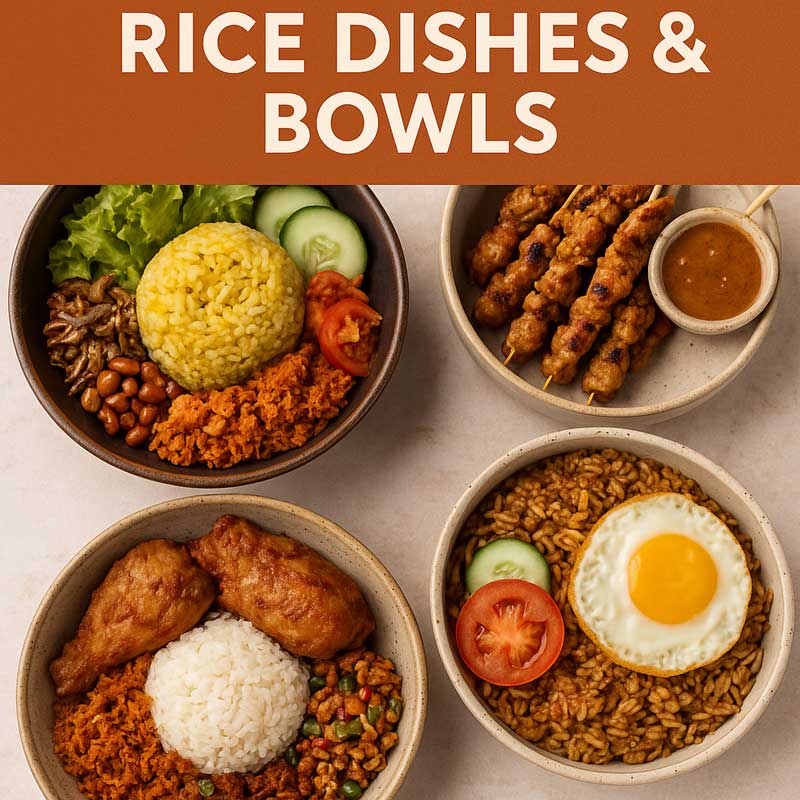
Texture plays an important role as well. The rice is fluffy and lightly coated with fat from the coconut, giving it a gentle gloss. Crunchy shallots, crisp crackers, and bright cucumber slices are common complements. These contrasts—soft rice, crisp toppings, and zingy vegetables—create balance and texture that delight the palate. In this way, nasi kuning becomes more than a side; it becomes a celebratory expression of flavor harmony.
Traditional Roles in Indonesian Celebrations
Nasi kuning often appears in festive settings and family gatherings. In Java and other regions, cooks prepare it as the foundation for a colorful spread. It is common to plate or portion the rice with a selection of sides, such as shredded chicken, an omelet, tempeh, or sautéed vegetables. This combination showcases both versatility and generosity.
The dish is frequently linked to joyful occasions—birthdays, temple offerings, or community feasts—where sharing a bright plate signifies warmth and care. Its presence reinforces the idea that hospitality is shown through food, through the care taken to present a beautiful, flavorful meal. The visual appeal—golden rice tucked with complementary colors and textures—adds a ceremonial touch without needing elaborate setting. The result is a sense of welcome that travels well from kitchen to table.
Core Ingredients and How They Tell a Story
- Turmeric: The star that gives the rice its signature color and a mild, earthy warmth.
- Coconut milk: Adds richness and a gentle sweetness that makes the rice feel indulgent.
- Lemongrass and kaffir lime leaves: Fragrant notes that brighten the dish and connect it to Indonesian garden flavors.
- Garlic and shallots: Provide depth and backbone to the aroma.
- Salt and a touch of sugar: Balance the flavors to be comforting rather than sharp.
- Garnishes and sides: Fried shallots, cucumber slices, krupuk (crackers), and sometimes a protein like chicken or tempeh complete the plate.
These ingredients together tell a story of careful balance: color, aroma, richness, and freshness all in one dish. The cultural value lies in how the components come together to please both the eyes and the palate.
Regional Variations and Shared Hospitality
Across Indonesia, nasi kuning takes on subtle regional touches. In Java, the dish may be prepared for a ceremonial table with precise aroma and presentation. In Bali and Sumatra, cooks adapt the accompaniments to local tastes, while keeping the yellow rice as the unifying core. The shared idea is hospitality: a warm welcome delivered through a colorful, comforting dish.
Because of these regional voices, nasi kuning remains flexible yet recognizable. You might see it paired with different proteins, vegetables, or regional snacks, but the bright yellow rice remains the heart of the experience. This flexibility helps the dish travel well into modern kitchens in the U.S., where cooks can honor tradition while making room for personal preferences.
Adapting Nasi Kuning for a U.S. Kitchen
In the United States, accessibility matters. The core ingredients—turmeric, coconut milk, lemongrass, and lime leaves—are available in most grocery stores or Asian markets. If lemongrass or kaffir lime leaves aren’t on hand, you can still achieve a bright flavor with a squeeze of lime zest and a splash of lime juice, along with a hint of citrus peel.
A simple approach to making nasi kuning in a home kitchen:
– Rinse and drain 2 cups of long-grain rice.
– In a pot or rice cooker, combine the rice with 1 (13.5 oz) can of coconut milk, 1.5 to 2 cups water, 1–2 teaspoons turmeric (adjust to color), a lightly bruised lemongrass stalk, 1 kaffir lime leaf or a small piece of lime zest, and a pinch of salt.
– Bring to a gentle boil, then reduce heat and simmer until the rice is tender and fragrant.
– Let it rest for a few minutes, then fluff. Top with fried shallots and serve with a choice of sides.
Serving Ideas for a U.S. audience:
– Pair with shredded chicken or tofu for protein.
– Add cucumber ribbons, pickled vegetables, and a few crackers for texture.
– Present a small salad or steamed greens to balance richness.
– Offer a sunny omelet or tempeh as a traditional garnish when desired.
This approach keeps the essence of nasi kuning intact while making it practical for a modern kitchen. The dish remains inviting, easy to prepare, and suitable for a family meal or a small gathering.
Tips for Authentic Flavor and Respectful Enjoyment
- Use fresh turmeric if possible to achieve the most vibrant color.
- Toast the spices lightly to release aroma before adding them to the rice.
- Balance richness with fresh vegetables to maintain brightness.
- Embrace the plating as part of the experience; a neat mound of yellow rice with crisp toppings makes a feast for the eyes.
- If you prefer a vegetarian version, pair with plant proteins like tempeh or tofu.
- Learn a few local garnishes or side dishes to reflect regional pairings in a respectful way.
By approaching nasi kuning with care for flavor, color, and texture, you honor Indonesian culinary craft. The dish becomes a small, joyful celebration that you can share with others in the United States, inviting curiosity and appreciation without needing to travel far.
The Cultural Value of Sharing a Plate
Ultimately, nasi kuning is a symbol of hospitality. It demonstrates how a simple plate can convey warmth, generosity, and connection. The careful preparation, the bright color, and the inviting aroma all invite guests to sit, linger, and talk. In this spirit, the dish becomes a bridge between kitchens and cultures, a way to celebrate food together in everyday life.
As you explore nasi kuning in the U.S., you may notice how its presence sparks conversation about Indonesian flavors, cooking methods, and family traditions. The dish invites questions with a friendly, open heart. It invites learners to try a new technique, to experiment with toppings, and to enjoy a shared meal that honors care and community.
Conclusion
Nasi kuning stands out as an easy Indonesian classic that travels well to American tables. Its cultural value lies in the warmth it conveys, the symbolic color that signals celebration, and the flexible structure that invites variation without losing its essence. Culinary significance comes from the balance of turmeric, coconut, and aromatics that create a comforting, memorable foundation. Whether you cook it for a family night or a small gathering, nasi kuning offers a fragrant, beautiful way to honor Indonesian food culture while inviting others to share, taste, and explore.