
Nasi Kuning and Indonesian Satay & Grilled Skewers: A Cultural Introduction
Indonesian cuisine shines when bright colors, clever spice blends, and shared tables come together. Nasi Kuning, a fragrant yellow rice, paired with Indonesian satay and other grilled skewers, stands as a celebration of flavor and craft. This dish invites readers to taste the way color, aroma, and texture can tell a story about a people and their foods. In this article, we explore the cultural value and culinary significance of Nasi Kuning and its beloved skewers, especially for Indonesian food fans in the United States who seek a thoughtful, respectful window into the kitchen.
The Bright Heart of Nasi Kuning
Nasi Kuning translates to yellow rice, but its meaning goes beyond color. The rice is steamed with turmeric and often enriched with coconut milk, which lends a gentle creaminess. The result is a fragrant, golden mound that signals festivity. In Indonesian culture, yellow is associated with joy, auspiciousness, and warmth, so Nasi Kuning frequently appears at celebrations, family gatherings, and special meals. The preparation itself is a ritual of balance: delicate spice notes meet comforting richness, all wrapped in the soft, fluffy texture of properly cooked rice.
This dish is more than a staple; it is a cultural emblem of care. The aroma, the hue, and the way the grains separate on the plate all convey a message of welcome. People gather around the table to Share a feast, and Nasi Kuning becomes the center of that gathering. It pairs with an array of sides, but its versatility helps it anchor a meal that can range from simple to lavish, depending on the occasion.
Satay and Grilled Skewers: Craft and Community
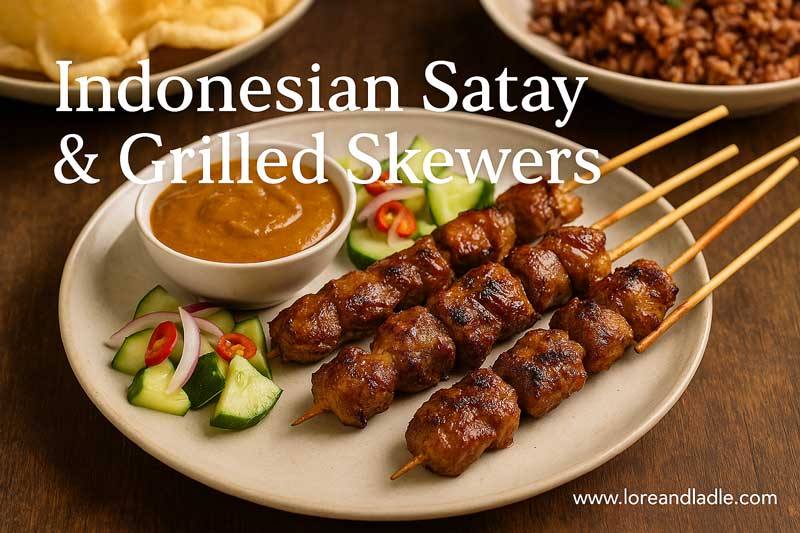
Satay, the small skewered pieces of meat grilled over hot charcoal, is a cherished technique across Indonesia. Chicken, beef, goat, and even fish can become satay under a careful hand. The marinade often blends spices such as coriander, turmeric, garlic, and sometimes lemongrass, letting each bite carry a balanced warmth. The grilling process concentrates aroma and flavor, creating a caramelized edge that adds depth to every bite.
The accompanying peanut sauce, or bumbu kacang, completes the ensemble. A smooth, nutty sauce with hints of tamarind, palm sugar, and chili offers a counterpoint to the savory meat. The result is a harmony of sweet, salty, tangy, and smoky notes, which demonstrates how Indonesian cooks layer flavors with restraint and precision. Satay is frequently served with freshness—thin cucumber slices, red onions, and lime—so the plate becomes a lively mix of textures and bright contrasts.
In a cultural sense, satay represents more than a dish. It embodies a craft tradition: selecting the right meat, marinating with a clear purpose, skewering with even spacing, and grilling to a perfect finish. Every bite carries the mark of a cook’s attention and a street corner’s steady flame. Sharing satay is a social act, a way to connect over a vivid and satisfying flavor profile.
The Flavor Symphony: How Nasi Kuning and Satay Come Together
When Nasi Kuning meets satay and grilled skewers, the plate becomes a study in balance. The rice provides a neutral, comforting base. The skewers introduce smoke, spice, and texture. The peanut sauce adds creaminess and a gentle sweetness. Together, they create a whole that feels both grounded and uplifting. The experience invites careful tasting—first the rice, then a bite of meat with sauce, and finally a small dab of sauce on the grain to see how flavors merge.
This combination also highlights a cultural value of hospitality. Food is shared, not consumed in isolation. Families and friends gather to enjoy a colorful, flavorful spread, taking turns with each dish. The act of serving is a small ceremony, and the plate becomes a living illustration of generosity, balance, and joy.
Techniques and Traditions in the Kitchen
Creating Nasi Kuning and satay involves precise technique. For Nasi Kuning, the rice must be fluffy, each grain separate, yet lightly infused with coconut milk. The turmeric must color the grains evenly without overpowering the rice’s natural sweetness. Gentle toasting of any aromatics—cumin, coriander, or lemongrass—releases their oils and raises the dish’s perfume.
Satay demands discipline in preparation. Skewers are cut to uniform size to ensure even cooking. Marinades are blended to a smooth, bright paste, then allowed to penetrate the meat for tenderness and flavor. Grilling is a craft of patience: the flame must be steady, and the meat should be cooked through with a hint of char at the edges. Sauces are whisked to a balance of peanut richness and bright acidity, often finished with a touch of tamarind or lime to lift the profile.
These techniques reflect a broader respect for ingredients and a culture that values craft in everyday cooking as well as in festivals and markets. The result is a cuisine that treats technique as a form of care—the kind of care that turns a meal into a meaningful experience.
Plating, Scent, and Setting: The Dining Experience
The appeal of Nasi Kuning and satay extends beyond taste. The bright yellow rice beside smoky skewers creates a visual celebration on the plate. The scent—turmeric, coconut, peanut sauce, and grilled meat—invites a warm anticipation. Plating emphasizes balance: the rice forms a base, skewers lay alongside with grace, and a drizzle of sauce adds color and shine.
In social dining, the presentation matters. Guests notice the care in the arrangement, the range of textures, and the way heat and aroma interact as a shared meal is prepared and enjoyed. The experience reinforces a sense of hospitality and communal delight—an artful reminder that good food can uplift ordinary moments into something memorable.
In the United States: Respectful Adaptation and Enjoyment
For Indonesian food fans in the United States, Nasi Kuning and satay offer a direct line to culinary tradition. Home Cooks and restaurant kitchens alike draw on familiar flavors, while also sharing them with new friends and family. The dish adapts to local markets and ingredients, yet the core value remains the same: a thoughtful, joyful approach to cooking that honors ingredients and people.
The setting changes with time and place, but the heart of the dish remains constant. In American kitchens, you may find high-quality turmeric and coconut milk used with mindfulness, or you might see creative twists that preserve the flavor’s essence while fitting different dining styles. Regardless of adaptation, the emphasis on aroma, texture, and balance stays strong, guiding cooks to prepare a meal that feels both timeless and timely.
Pairings, Sauces, and Sides
Beyond peanut sauce, a bright array of accompaniments can accompany Nasi Kuning and satay. Fresh sambal can provide a lively contrast, while pickled vegetables offer brightness and crunch. A simple cucumber salad adds cool freshness that complements smoky skewers. In some homes, fried shallots or crispy bits sprinkled over the rice add a welcome texture. These options show how flexible Indonesian cuisine can be while preserving its essential character.
The learning continues with sauces and sides that echo the dish’s spirit: a balance of spicy, sweet, salty, and sour elements, all tied together with a respectful nod to the ingredients’ natural properties. This balance is a hallmark of Indonesian culinary philosophy, inviting cooks and diners to appreciate how small adjustments can elevate the experience.
Markets, Home Tables, and Shared Moments
In markets and homes alike, the combination of Nasi Kuning and satay attracts attention and admiration. The scent of turmeric waking the kitchen, the sight of golden rice, and the sizzle of skewers on the grill all invite people to pause and savor. Sharing this meal can create a sense of community, as stories about family recipes, neighborhood gatherings, and seasonal ingredients circulate with each plate.
The dish also serves as a bridge for food lovers who are curious about Indonesian flavors. It offers a clear doorway into the culture’s approach to spice, texture, and balance. By exploring the dish carefully, visitors learn to recognize the care behind each component—the rice, the skewers, and the sauce—without feeling rushed through the flavors.
A Timeless Favorite in Indonesian Food Culture
Nasi Kuning and Indonesian satay showcase how a culture uses simple ingredients to create something meaningful. The dish highlights color as language, aroma as invitation, and texture as a dialogue on the palate. Its culinary significance rests on craft, hospitality, and shared enjoyment, values that continue to flourish in kitchens around the world, including the United States.
As a favorite among Indonesian food fans, this pairing invites cooks to honor tradition while embracing curiosity. It teaches that a meal can be a celebration of life, community, and the artistry of cooking. Whether served at a family table, a market stall, or a restaurant plate, Nasi Kuning with satay remains a vibrant expression of Indonesian culinary culture—warm, inviting, and endlessly rewarding.