
Nasi Kuning and Other Easy Indonesian Dishes Loved in America
in America, Indonesian flavors brighten home kitchens and cozy restaurants alike. This post highlights Nasi Kuning and other easy Indonesian dishes that win hearts with color, aroma, and balance. The focus is on cultural value and culinary significance, kept warm and welcoming for every reader.
Nasi Kuning: A Golden Heart of Indonesian Tables
Nasi Kuning translates to yellow rice, a festive staple in Indonesian homes. The rice gains its sunny hue from turmeric and is enriched with coconut milk. Aromatic notes come from lemongrass, pandan leaves, and a touch of salt. The dish is simple yet ceremonial, often paired with crisp vegetables, fried nuts, and small bites that add texture. Plating shows care: a bright mound of rice, a few greens, and a colorful assortment beside it. This presentation welcomes guests and signals hospitality. Nasi Kuning invites sharing, togetherness, and a sense of easy celebration.
Flavor, Texture, and the Craft of Balance
Indonesian cooking centers on balance. In Nasi Kuning, mellow coconut cream meets the warmth of turmeric. The result is a fragrant foundation that carries the flavors of toppings and sides. The textures matter, too: soft rice with crunchy accompaniments creates a satisfying plate. The dish teaches how aroma, color, and texture work together. When you bite into it, you feel a gentle sweetness, a hint of spice, and a comforting richness. That harmony is a hallmark of Indonesian culinary craft.
Easy Indonesian Dishes Loved in America
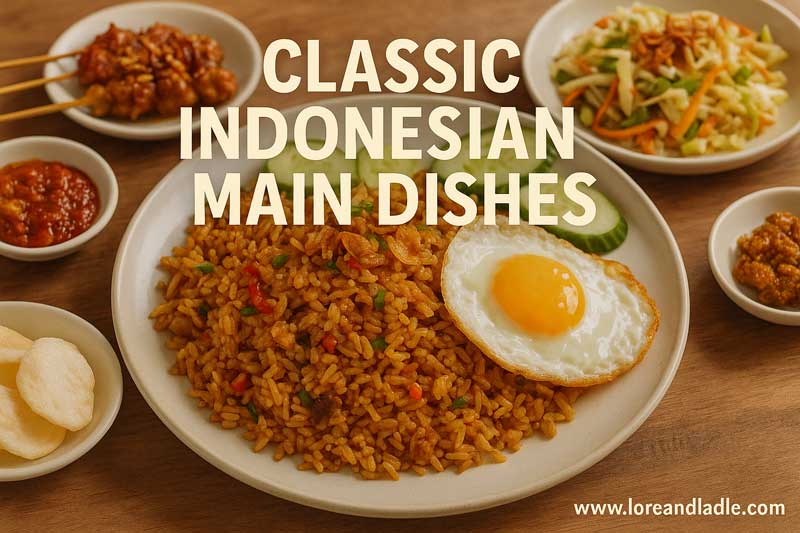
Nasi Goreng, or fried rice, is a kitchen-friendly favorite. It uses day-old rice, garlic, shallots, and sweet soy sauce for a savory-slightly-sweet note. A fried egg on top adds brightness. Mie Goreng, the fried noodles, offers a similar comfort with chewy strands and a savory glaze. Gado-Gado, a fresh vegetable salad with creamy peanut sauce, showcases balance between fresh greens and a rich nutty dressing. Satay, skewered meat grilled to smoky perfection with a peanut dipping sauce, brings warmth and social joy to gatherings. Each dish travels well in home cooks’ routines and adapts to available ingredients. These dishes celebrate accessibility without sacrificing depth of flavor. They also reflect a shared Love for color, aroma, and satisfying textures.
Shared Meals as a Cultural Value
Indonesian dishes thrive in social settings. Food becomes a bridge between daily life and celebration. A pot of Nasi Kuning can bring together family and friends for a bright, comforting meal. The various dishes above offer ways to explore diverse Flavors in one table. The act of cooking and sharing strengthens friendships and invites curiosity. This spirit of warmth, color, and thoughtful preparation is a core value visible in kitchens across the country.
Practical Tips for Home Cooks
- Start with accessible ingredients: turmeric, coconut milk, garlic, shallots, and soy sauces. These basics open many dishes.
- For Nasi Kuning, you can substitute fresh pandan leaves with a small amount of pandan paste if needed. Use lemongrass bottles or dried leaves when fresh is not available.
- Adjust spice to taste. A little chili, a touch of lime, and a splash of peanut sauce can tailor heat and brightness.
- Build plates with color. Pair yellow rice with greens, orange carrots, and green herbs for visual appeal.
- Find sauces in the supermarket or at an Asian market. Kecap Manis (sweet soy) and peanut sauce are common, convenient flavors.
- Plan for leftovers. Nasi Goreng and Mie Goreng shine with reheated rice and fresh toppings.
The Beauty of Indonesian Flavor in American Kitchens
Nasi Kuning and its companion dishes offer more than taste. They convey care, craft, and cultural richness. The flavors invite curiosity and celebration without complexity. In American kitchens, these dishes become tools for connection, education, and delightful meals. The result is a bright, welcoming plate that honors tradition while inviting modern, everyday cooking.
A Gentle Note on Technique and Joy
Practice helps, and joy follows. Start with the basics, then expand. As you try these dishes, you’ll notice how aromas rise, colors pop, and flavors harmonize. The process honors quiet patience and bright experimentation. In this way, Nasi Kuning and easy Indonesian dishes become a beloved part of food culture, inviting influence, admiration, and shared happiness at the table.