
From Malaysia to America: A Home Cook’s Guide to Nasi Lemak
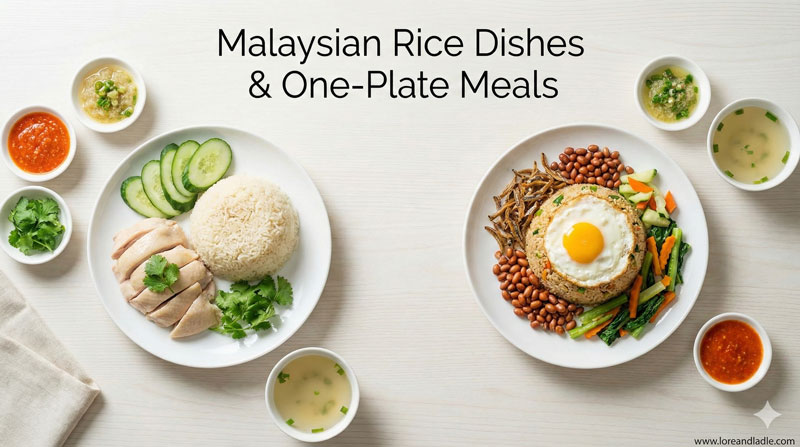
Nasi lemak is a bright thread in the tapestry of Malaysian cooking. Its heart rests in fragrant coconut rice, lightly scented with pandan. It is crowned with sambal, crisp anchovies, roasted peanuts, cucumber, and a soft egg. In American kitchens, it becomes a welcoming invitation: a chance to explore a new flavor with warmth and care. This post celebrates the dish’s cultural value and its culinary significance, inviting home cooks to savor every detail.
The Core Aromas and Techniques
The beauty of nasi lemak lies in balance. The coconut rice forms a comforting base, gentle on the palate yet full of character. The subtle sweetness of coconut meets the grassy, lemony note of pandan. Together, they create a fragrance that fills the room and lingers on the plate. The sambal adds brightness and fire, a red glow that invites a first taste. Crunchy peanuts and crispy anchovies introduce salt and texture. A fresh cucumber slice and a perfectly cooked egg round out the plate with cool contrast.
This dish uses simple techniques that a home cook can master. Rinse the rice, then cook it with coconut milk and a touch of water until the grains stand light and separate. A pandan leaf or two adds a gentle, distinctive scent. The sambal is a quick simmer of chili, shallots, garlic, and a touch of sweetness and acidity. Toasted nuts provide warmth and crunch. The result is a plate that feels both everyday and special, ready to be shared.
The Harmony of Flavors: Coconut Rice and Sambal
Coconut rice anchors nasi lemak. The creamy richness comes from coconut milk, which folds into the grains as they steam or simmer. The pandan leaf, if you have it, elevates the aroma with a clean, citrusy edge. When the rice is fluffy and fragrant, it provides the perfect canvas for the bold sambal.
Sambal is the spark. It blends heat with brightness, depth with a hint of sweetness, and a sour note that lifts the dish. The balance is not aggressive; it’s poised. The heat wakes the palate, while the sweetness keeps the flavors rounded. A good sambal embraces the other elements rather than overpowering them.
Toppings and Texture: Crunch, Salt, and Freshness
Roasted peanuts supply a toasty crunch that contrasts with the silkiness of the rice. Small, crisp fried anchovies add a tangy saltiness that sings against the softness of the coconut rice. Slices of cucumber bring a crisp, refreshing note that cools the palate between bites. A hard-boiled or soft, runny egg adds protein and a gentle richness. These toppings are more than adornment; they are essential notes in the dish’s melody.
A Home Cook’s Guide in an American Kitchen
in America, cooks often adapt nasi lemak with pantry-friendly ingredients while preserving its spirit. If pandan leaves aren’t available, a small strip of lemon zest can suggest a light brightness, though it won’t replace pandan’s exact aroma. Coconut milk from cartons works well; use a light touch of salt to mimic the balance of a traditional recipe. For toppings, you can substitute crispy fried shallots if anchovies feel unfamiliar, though many find that anchovies or a milder fish contribute a welcome bite to the plate.
Rice can be prepared with the standard method you already use for fragrant dishes. The coconut milk ratio is flexible; aim for a gentle, creamy rice that still holds its shape. The key is to maintain the silky texture while keeping the grains separate. The sambal can be adjusted to heat tolerance, starting with a smaller amount and building up to taste.
Serving, Plating, and Pairings
A good nasi lemak plate is as attractive as it is flavorful. Place a generous bed of coconut rice in the center. Spoon a bright palm of sambal on the side, enabling the eater to pace the heat. Nestle the eggs, then scatter peanuts and fried anchovies around the rice. Add cucumber slices for color and freshness. The plate should feel balanced, with each element ready to lift the others.
Pair nasi lemak with choices that feel natural in an American kitchen. A simple fried chicken piece, a piece of grilled fish, or a soft herb omelet can join the rice for a complete meal. A crisp pickle or fresh lime wedges can introduce a zesty note that refreshes the palate.
The Cultural Value of Nasi Lemak
Nasi lemak holds a special place as a versatile, comforting dish. It is a staple that can anchor a family breakfast or brighten a weekend gathering. Its rice-based base demonstrates how a few ingredients can come together to form something deeply satisfying. The dish invites careful attention to aroma, texture, and balance, turning everyday cooking into a small ceremony of care.
The toppings tell a story of texture and contrast. Crunch and salt meet creaminess and heat, creating a plate that invites slow, mindful eating. The ritual of assembling the plate—layering rice, spooning sambal, adding toppings—becomes a moment of shared experience. In this way, nasi lemak is more than a recipe; it is a practice of hospitality and generosity that resonates in homes around the world.
A Gentle Invitation to Your Table
If you are trying nasi lemak for the first time, approach it with curiosity and patience. Respect the aroma as you cook; let the kitchen fill with the scent of coconut and chili. Enjoy the moment of tasting—note how the creamy rice meets the sharp, luminous sambal, then how the crunchy toppings finish the bite. The dish rewards careful attention and invites repeated gatherings around the table.
Quick Tips for Home Cooks
- Start with fragrant coconut rice. Let the grains steam until fluffy, then rest them briefly for the best texture.
- Use pandan leaves if possible. If not, a small amount of citrus zest can offer a bright note, though it won’t fully replace pandan.
- Tune the sambal to your heat preference. Begin with a modest amount and add more to taste.
- Toast nuts lightly to deepen their flavor and crunch.
- Keep cucumber slices cool and crisp to contrast the warmth of the plate.
- Prepare eggs to your preferred doneness and place them thoughtfully on the plate.
Final Thoughts
Nasi lemak is a lesson in harmony. It shows how a few well-chosen ingredients can create a dish that feels both comforting and exciting. In American kitchens, it becomes a bridge to Malaysian flavors, inviting cooks to explore texture, aroma, and balance with care. The dish is both humble and celebratory, a reminder that good cooking can be generous, welcoming, and deeply satisfying. May your next nasi lemak plate carry the warmth of a shared table and the quiet joy of a dish well made.