
Step-by-Step Nasi Lemak for First-Time Malaysian Home Cooks
Nasi lemak is more than a meal. It is a warm invitation into Malay culinary culture, a dish that travels from home kitchens to markets and gatherings with grace. This guide invites you to explore its beauty and its everyday significance. You will learn the step-by-step method to craft a fragrant coconut rice, a vibrant sambal, and the classic accompaniments that make nasi lemak whole. Each step honors tradition while inviting your own fresh touch.
What Nasi Lemak Is and Why It Feels At Home
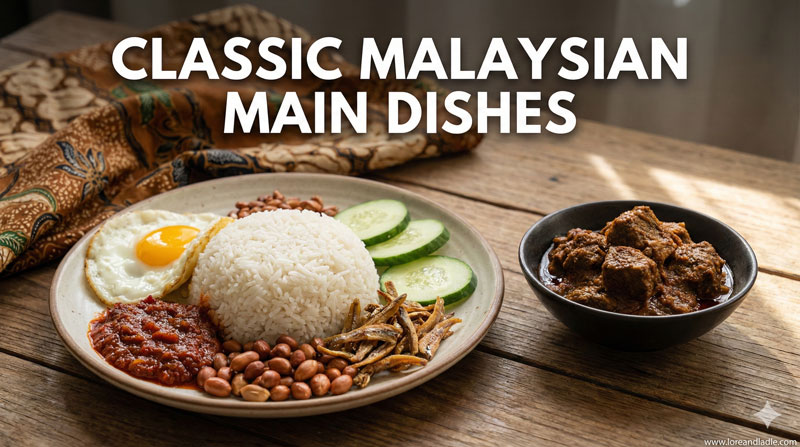
Nasi lemak centers on rice steamed or simmered in coconut milk and pandan, producing a creamy aroma that speaks of morning markets and family kitchens. The dish shines because simple ingredients come together with balance: mild rice, spicy sambal, crunch from peanuts, saltiness from ikan bilis, freshness from cucumber, and a soft, comforting egg. The beauty lies in how these elements harmonize on a single plate, ready to be shared. This balance mirrors care, patience, and the joy of cooking for loved ones. The dish earns its place in everyday life and festive mornings alike, welcoming both routine meals and special gatherings.
The Cultural Value That Holds a Plate Together
Nasi lemak embodies comfort, familiarity, and a sense of community. It is the kind of dish people prepare for family breakfast, for weekend gatherings, or for a quick, satisfying meal after a busy day. The ingredients tell a story of local markets, seasonal produce, and family recipes passed from one generation to the next. Eating nasi lemak becomes a moment of connection—between the cook and the flavors, between siblings sharing a plate, and between neighbors exchanging tips and tweaks. In its warmth and adaptability, nasi lemak celebrates regional diversity while preserving a shared idea of home on a plate. Its versatility also demonstrates hospitality: the dish welcomes variations, yet remains rooted in a consistent, comforting core.
Flavor Foundations: Rice, Sambal, and Sides
The story of nasi lemak begins with the rice. Coconut milk adds creaminess, while pandan leaf lends a gentle, fragrant sweetness. The sambal is the heart: a glossy, bright-hot paste that carries the dish’s personality—sweet, sour, and a touch of heat. Crunchy peanuts and crispy ikan bilis provide contrast, while cucumber slices bring cool balance. A boiled egg is a simple, satisfying companion. Across families, these elements appear with small local tweaks, yet the essence remains the same: a fragrant, satisfying plate that invites savoring in every bite. Respect for these components helps you appreciate how a few ingredients can carry a whole cultural moment.
Tools and Pantry: Getting Ready
Before you begin, gather:
– Rice, water, coconut milk, and a pandan leaf (optional but highly recommended)
– Dried red chilies or fresh red chilies, onions, garlic, tamarind (or lime) for the sambal
– Salt and sugar to balance flavors
– Ikan bilis (small dried anchovies) or a preferred crispy element
– Roasted peanuts
– Eggs
– Fresh cucumber
– Cooking oil (neutral oil for frying)
– A pot with a tight lid or a rice cooker
Having these on hand lets you move smoothly from one component to the next. Clean as you go, and taste as you cook. The goal is harmony, not hurry.
Step 1: Coconut Rice Mastery
- Rinse the rice until the water runs clear. This keeps the grains fluffy rather than mushy.
- Soak for a few minutes if you have time. Drain well.
- In your pot, combine rice, coconut milk, a little water, pandan leaf if you have it, and a pinch of salt.
- Bring to a gentle boil, then reduce heat to low. Cover and simmer until the rice is tender and fragrant.
- Turn off the heat and let the rice rest, still covered, for a few minutes. Fluff with a fork before serving.
Why this matters: the rice carries the signature coconut aroma and the soft, creamy texture that forms the base of every bite. Perfect rice sets the stage for the rest of the plate.
Step 2: The Vibrant Sambal
- Soak or prepare dried chilies if using; chop or blend with onions and garlic.
- Heat oil in a pan. Sauté the aromatics until fragrant and translucent.
- Add the chili paste and cook slowly, stirring frequently, until the paste darkens and the oil separates.
- Add a pinch of salt, sugar to balance, and a dash of tamarind juice or a splash of lime for brightness. Simmer until thick enough to coat a spoon.
- Taste and adjust heat, acidity, and sweetness to your preference.
Why this matters: sambal is the dish’s heart. Its brightness, heat, and depth tie the whole plate together, lifting the coconut rice and balancing the cool cucumber and salty sides.
Step 3: The Sides and Garnishes
- Ikan bilis: rinse and pat dry. Fry in hot oil until crisp, then drain on paper. They’re salty, crunchy accents that wake the palate.
- Peanuts: roast until golden and fragrant, then crush slightly or leave whole for texture.
- Eggs: boil to your preferred doneness, then peel and slice or halve.
- Cucumber: slice into fresh rounds for cooling contrast.
Why this matters: these accompaniments add texture, salt, and freshness. They invite a range of bites and ensure the plate feels complete and inviting.
Step 4: Plating and Serving
- Place a generous mound of coconut rice on the plate.
- Arrange the sambal beside or gently on top of the rice to catch the aroma as you lift each bite.
- Scatter ikan bilis and peanuts, then add cucumber slices and egg.
- Serve immediately while everything is at its best.
Why this matters: the presentation is part of the experience. A thoughtful arrangement invites sharing and signals care for the meal and the people at the table.
Variations and Personal Touches
While traditional nasi lemak follows a familiar rhythm, you can adapt to your pantry and taste. Try adding sliced fried chicken, a small portion of beef rendang, or a tofu option for variety. If you prefer milder heat, adjust the sambal gradually. These tweaks keep the dish welcoming to new cooks while preserving its essence.
The Joy of Cooking Nasi Lemak at Home
Cooking nasi lemak at Home lets you participate in a cherished culinary moment. Each step teaches patience, balance, and attentiveness to flavor. It also opens doors to regional tastes and family memories, as different communities put their own stamp on the same core plate. The result is a dish that feels universally comforting yet unmistakably personal.
Final Thoughts: A Living Tradition on Your Table
Nasi lemak is a celebration of flavors, textures, and shared meals. It invites you to slow down, listen to the sizzling of the sambal, and savor the way coconut rice carries aroma through the plate. As you cook, you honor a tradition that welcomes everyone to the table with warmth and respect. Your first nasi lemak can become a fond starting point for many future dishes, each plate telling a story of home, care, and community. Enjoy the process, share generously, and let the dish remind you why simple ingredients can become something truly memorable.