
Introduction
Nasi Lemak That’s Winning Over Foodies Across the U.S. invites you to explore a dish that delights the senses and enriches shared meals. This is more than a recipe; it is a study in balance, technique, and care. Across the United States, diners seek the dish for its warm aroma, its gentle richness, and the way it brings people together around a common table. The focus here is on cultural value and culinary significance, highlighting how this dish expresses memory, craft, and hospitality.
A Quick Portrait of the Dish
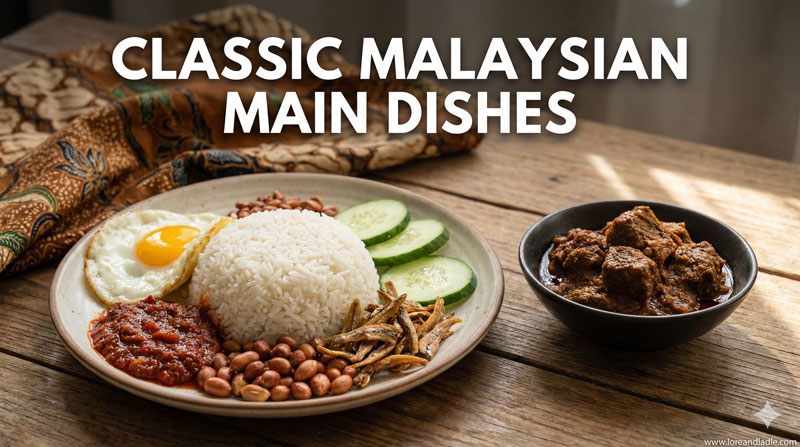
Nasi Lemak is a fragrant ensemble built on coconut rice, brightened by sambal and punctuated with crisp and creamy accents. A bowl or plate typically features pandan-flavored coconut rice, a spicy chili paste called sambal, fried anchovies, roasted peanuts, cucumber slices, and a hard-boiled egg. In many eateries, chefs place additional toppings such as fried chicken or rendang. The combination creates a plate that feels both comforting and exciting, inviting the eater to explore texture, heat, and cooling counterpoints in one sitting.
Core Elements and Kitchen Techniques
The heart of Nasi Lemak lies in the rice. The rice is cooked in coconut milk, sometimes with a hint of pandan leaf for a delicate perfume. The result is fluffy grains that carry a touch of sweetness and a gentle creaminess. The sambal is where heat and brightness meet depth. A balanced sambal blends chili, garlic, onion, and a touch of sugar, with salt and a hint of tang. The anchovies are fried until crisp, adding a moment of savory crunch. Roasted peanuts provide a nutty contrast, while cucumber slices offer cool, crisp relief. When these elements come together, the dish becomes a study in contrast: soft rice and velvety coconut, spicy heat and cooling freshness, crisp bites and creamy texture.
Flavor Profile and Sensory Appeal
You can taste and feel the care in each part. The rice releases a gentle coconut aroma as you lift the first bite. The sambal wraps the palate with a warming glow and a hint of sweetness. The crunchy ikan bilis or fried toppings punctuate each mouthful with a savory snap. The cucumber and egg add balance, creating a plate that feels complete rather than one-note. The overall experience is comforting yet exciting, familiar enough to feel welcoming and complex enough to invite repeated tastings. In this way, Nasi Lemak becomes a versatile stage for flavor exploration.
Cultural Value in the United States
As it travels across the U.S., Nasi Lemak serves as a bridge between culinary worlds. It introduces a set of flavors—nutty rice, chili brightness, and umami depth—that resonate with many American palates. The dish also showcases a craftsman’s approach: precise cooking of rice, careful toasting of peanuts, and patient frying of anchovies. This attention to technique communicates a culture of pride in preparation. In dining rooms and street stalls alike, the plate acts as a shared moment of hospitality, inviting people to linger, discuss flavors, and appreciate the skill behind each component. The dish’s popularity in diverse settings reflects a broader appetite for thoughtful, well-balanced meals that honor tradition while inviting fresh interpretations.
The Dining Experience: Assembly and Ambiance
Eating Nasi Lemak often feels like a small ceremony. First, you notice the aroma—coconut and spice mingling in the air. Next, you observe the arrangement: the rice as the base, the sambal inviting a pop of color, and the toppings arranged with care. Then you taste. The creamy rice invites the sambal’s brightness, and the crisp toppings provide texture contrasts that keep the plate lively. This sequence—aroma, presentation, bite—helps explain why the dish is so appealing in casual cafes and refined eateries alike. The experience rewards attention to detail: the rice must be just right, the sambal must carry heat without overpowering, and the toppings should offer a deliberate crunch or bite.
Culinary Innovation and Adaptation in the U.S.
Chefs across the United States experiment with Nasi Lemak while preserving its essential character. Plant-based versions highlight mushrooms or tofu in place of meat, while still layering coconut rice and sambal for depth. Some menus add vibrant saffron-tlecked rice for a visual twist, or introduce fruit segments to provide surprising brightness. Yet even with variations, the core idea remains intact: a balanced plate that respects tradition while welcoming experimentation. These adaptations demonstrate how a single dish can inspire creativity without losing its soul. In this way, Nasi Lemak becomes a living menu of culinary curiosity, inviting cooks and diners to explore alongside one another.
The Social and Culinary Value of Shared Plates
The dish lends itself to shared dining, a hallmark of many Southeast Asian eating styles. When friends or family gather around a Nasi Lemak plate, everyone samples different components, discovering new preferences and harmonies. This social aspect is a practical expression of hospitality: serving others first, listening to preferred spice levels, and creating a sense of inclusion around the table. In a country with diverse tastes, such shared plates create common ground where curiosity thrives and conversations bloom. The dish thus contributes not only to individual enjoyment but also to a spirit of communal eating.
How to Find and Enjoy Nasi Lemak in the U.S.
For readers curious to experience the dish, seek out Malaysian restaurants, hawker-inspired pop-ups, or markets with Southeast Asian offerings. A traditional preparation typically includes the full set of elements described earlier, ensuring texture and flavor balance. When ordering, consider asking for the classic arrangement first, as it presents the dish in its intended harmony. If you encounter a variation, approach it with an open mind and appreciate the chef’s interpretation. Either way, you are sampling a practice that values craftsmanship, consistency, and generosity in plating.
A Path for Home Cooks: Respectful Reproduction
If you wish to explore Nasi Lemak at Home, start with a solid coconut rice base. Use coconut milk for richness, and a pinch of salt to brighten the grains. Prepare a simple sambal with chopped chilies, garlic, onion, and a touch of sugar. Fry small amounts of anchovy until crisp, or substitute with a crunchy element you enjoy, like roasted nuts. Assemble with cucumber slices and a sliced hard-boiled egg. While home kitchens may vary, the core of the dish remains the same: a careful balance of creamy, spicy, and fresh notes. This approach invites home cooks to participate in a cultural cooking practice that travels well and travels far.
The Beauty of Craft and Care
What makes Nasi Lemak striking is not a single trick but a sequence of careful choices. The rice must be creamy yet light, not dense. The sambal must carry heat with brightness but avoid bitterness. The toppings must complement rather than overwhelm. When these elements align, the dish reveals a quiet magnificence rooted in daily craft. That beauty appeals to people who value technique, balance, and thoughtful plating.
Concluding Thoughts
Nasi Lemak That’s Winning Over Foodies Across the U.S. presents more than a tasty plate. It offers a window into a culture’s culinary care, the art of balancing flavors, and the joy of sharing a well-prepared meal. The dish’s appeal lies in its versatility, its depth, and its invitation to participate in a global dining conversation. Whether enjoyed in a casual cafe or a polished restaurant, it remains a warm, inviting reminder of how food can connect people through scent, texture, and taste. In every bite, the dish celebrates craft, hospitality, and the enduring beauty of well-made food.