
Introduction
Nasi Lemak That’s Winning Over Foodies Across the U.S. invites curious readers to explore a dish that delights the senses and enriches table culture. This post highlights its cultural value and culinary significance. The dish speaks through aroma, texture, and balance, inviting cooks and eaters to slow down and savor. Across the United States, it inspires menus, home kitchens, and conversations about flavor and tradition.
What is Nasi Lemak?
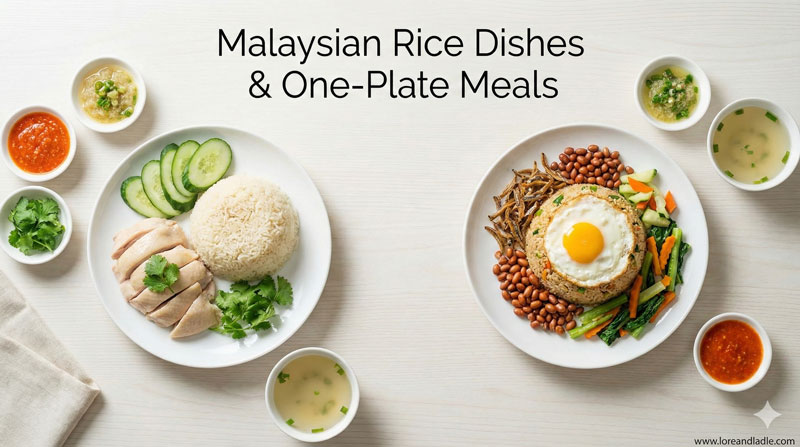
Nasi Lemak is a fragrant collection centered on coconut rice. The rice is steamed in coconut milk with pandan leaves for a gentle, tropical aroma. It is typically served with sambal, fried anchovies or peanuts, cucumber slices, and a hard-boiled egg. The result is a harmonious plate where heat, sweetness, salt, and freshness meet in clear contrast. In the United States, these elements adapt to local ingredients while preserving a recognizable core.
Key Components and Techniques
The star is coconut milk-infused rice. Proper rinsing and careful simmering yield grains that are fluffy yet cling just enough for a bite. Pandan leaves add a subtle, honeyed fragrance that elevates the dish without overpowering the palate. Sambal provides bright heat and depth, often built from chili peppers, shallots, and a touch of sweetness. The accompanying items—crispy anchovies or roasted peanuts, crisp cucumber, and a mellow egg—build texture and roundness. Chefs balance these parts to keep every bite vibrant and cohesive.
Flavor, Aroma, and Texture
A good nasi lemak presents an inviting aroma that wafts from the plate to the room. The coconut rice feels creamy and light, never heavy. Sambal introduces warmth with a lively kick, followed by a touch of sweetness. Crunch from peanuts or anchovies contrasts with the tender rice and soft egg. The cucumber adds freshness, ensuring the dish remains bright from first bite to last.
Cultural Value in the United States
Across the U.S., nasi lemak has become a touchstone for Southeast Asian-inspired cooking. It travels from street-food stalls to lunch menus and even refined tasting menus, always carrying a sense of home and care. Many diners encounter it as a comforting comfort-food that also feels adventurous. Chefs frame it as a celebration of balance—between richness and brightness, texture and ease, simplicity and depth. In practice, restaurants adapt the dish with local produce or house-made sambal while honoring the traditional components that define its character. This blend of consistency and flexibility helps the dish speak to diverse audiences while preserving its essence.
Serving Traditions and Modern Presentations
Traditionally, nasi lemak is plated with its signature trio of sides—sambal, crispy toppings, and fresh vegetables—alongside the coconut rice. In contemporary settings, chefs experiment with plating, pairing, and portion size without losing the dish’s spirit. Some restaurants offer a breakfast or brunch version that pairs creamy rice with a savory fried egg. Others serve it as a vibrant lunch or dinner plate, sometimes adding a drizzle of lime or herbs for a bright finish. The result is a versatile dish that fits casual meals and more deliberate dining experiences alike.
Home Cooking Tips
If you want to try nasi lemak at Home, start with good rice and a flavorful sambal. Use coconut milk and a bit of water to cook the rice, and let the pandan scent permeate the grains. Prepare a simple sambal with chili paste, shallots, garlic, and a touch of sweetness; adjust heat to taste. Toast peanuts for a gentle crunch, or fry small anchovy fillets until crisp. Slice fresh cucumber and boil an egg to your preferred doneness. Finally, assemble with care, tasting as you go to balance creaminess, heat, and freshness.
Pairings and Occasions
Nasi Lemak pairs well with bright tea, jasmine or pandan-flavored drinks, and light fruit accompaniments. It sits nicely on a shared table, inviting conversation about flavor and technique. In many settings, it marks a flexible moment—whether as a comforting home meal, a casual lunch, or a chef’s showcase of precision and care.
In Summary
Nasi Lemak That’s Winning Over Foodies Across the U.S. is more than a plate of food. It is a vessel for aroma, texture, and balance that travels gracefully across kitchens and cultures. The dish honors a method of cooking that centers coconut milk, pandan, and a thoughtful mix of accompaniments. It invites experimentation while preserving a clear, recognizable identity. For those exploring American kitchens and dining rooms, nasi lemak offers a welcoming entry into a vibrant tradition and a source of ongoing culinary conversation.