
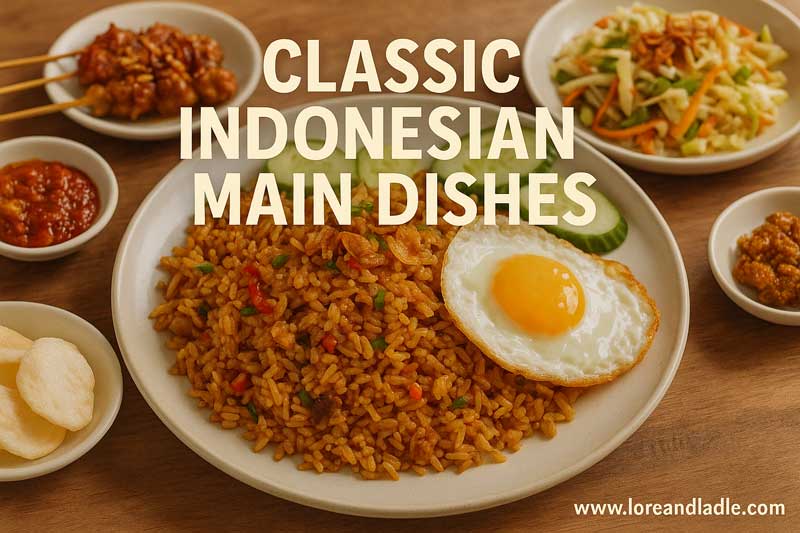
Nasi Padang 101: An Invitation to a Rich Cultural Table
Nasi Padang 101: Simple Ways to Unlock Big Indonesian Flavor invites readers to meet a dish that doubles as a cultural practice. This is more than a meal; it is a celebration of regional skill, time-honored technique, and shared pleasure. The dish centers on rice, the staple that welcomes a wide array of small plates. Each plate carries a story of the coast, the highlands, and the markets where spices mingle. The result is a vibrant, balanced experience that feels both everyday and special.
The Padang Table: Hospitality in a Lineup of Dishes
In Padang dining, hospitality shines through the array of dishes placed before you. The practice is simple: a host presents multiple flavors, and guests choose freely. The table becomes a living map of local taste. The name Padang signals a region and a way of cooking, but the spirit lives in every kitchen that treats food as a shared gift. This style honors variety, freshness, and a sense of welcome that makes dining a social event as well as a meal.
A Palette of Dishes: Flavor Profiles that Speak Indonesian Stories
Nasi Padang showcases more than one dish at a time. You may encounter tender rendang, fragrant gulai, smoky dendeng, and tangy sambal in the same spread. Each dish highlights a harmony of ingredients: coconut milk for richness, chili for heat, turmeric for warmth, lemongrass and lime leaves for brightness, and garlic and shallots for depth. This blend creates flavor profiles that feel both rooted and expansive. The result is not one dominant taste but a conversation of hues, textures, and aromas that define regional Indonesian cooking.
The Art of Hidang: Serving Style and Culinary Etiquette
The term hidang describes the visual display of dishes and the act of serving them. In practice, a lineup of hot dishes sits ready for guests to choose. The server may plate a few items for the plate you select, or you may sample directly from the line. Either way, the ritual emphasizes balance, variety, and mindful pacing. The presentation invites discovery, allowing diners to curate a personal tasting that reflects mood, season, and appetite. Hidang turns eating into a guided culinary journey.
A Symphony of Spices: Why Big Indonesian Flavor Feels Personal
Big Indonesian flavor in Nasi Padang arises from careful spice balance. Heat can be bright without overpowering, sweetness can soften acidity, and aroma can lift the entire plate. This balance mirrors the way people adapt a recipe to local ingredients and family preferences. The flavor becomes personal not because it is loud, but because it invites you to listen. The spices carry memory of markets, gardens, and kitchens where cooks refine their craft with patience and pride.
Everyday Traditions: How Home Cooks and Restaurants Honor the Dish
Nasi Padang travels from home kitchens to bustling eateries with the same core idea: cooking as care. Families pass down techniques for braising, drying, and blending spices. Restaurants refine balance, ensuring each dish remains vibrant and accessible. The dish also travels through daily life, turning simple meals into moments of sharing. This adaptability keeps the cuisine alive, ensuring it continues to teach new generations about flavor and memory.
Practical Tips: Unlocking Flavor in Your Kitchen While Respecting the Culture
- Start with a strong base: a fragrant turmeric-laced rice pairs well with many Padang sides.
- Build a mini hidang at Home: select 3–4 small dishes to plate beside the rice for a balanced spread.
- Embrace coconut milk with care: simmer sauces slowly to preserve aroma and texture.
- Use fresh herbs: daun kunyit (turmeric leaf) and lime leaves brighten dishes without overpowering them.
- Mirror the balance: aim for a mix of creamy, spicy, sour, and herbal notes to echo Padang style.
- Respect tradition, innovate thoughtfully: you can adapt heat levels and ingredients to your pantry while honoring core flavors.
Cultural Value: The Dish as a Living Tradition
Nasi Padang embodies a culture that values variety, skill, and hospitality. It teaches that food is best enjoyed when many flavors meet at the table. The style celebrates regional ingredients and techniques, making it a practical teacher of culinary craft. It also invites curiosity: you can learn from the range of dishes, ask questions, and discover how flavor builds from the ground up. In this sense, Nasi Padang is not just a meal; it is a gateway to an enduring food culture.
Culinary Significance: Craft, Technique, and Senses
The dish highlights technique: slow braising, quick sautéing, careful seasoning, and precise timing. It shows how cooks transform simple ingredients into complex savor. The balance of textures—from tender meat to crisp fried garnishes to silky sauces—demonstrates culinary artistry. The result is a plate that can satisfy a quick lunch or a festive gathering, proving the versatility and resilience of Padang cooking. This flexibility makes Nasi Padang a beloved reference point for Indonesian flavors.
A Call to Explore: How to Experience Nasi Padang Respectfully
If you are new to Nasi Padang, take your time with the lineup. Start with familiar favorites like rendang or sambal, then branch out to lighter vegetables or tangy sauces. Notice how each dish changes the overall impression of the plate. Pay attention to aroma, heat, and aftertaste. In the process, you connect with a culinary tradition that thrives on inclusion, curiosity, and shared joy.
Conclusion: The Enduring Beauty of Nasi Padang
Nasi Padang 101 offers more than taste; it offers insight into a rich culinary culture. The dish invites generosity, conversation, and learning. It shows how simple rice can become a canvas for countless stories of place, people, and craft. By exploring the array at the heart of Nasi Padang, you appreciate a tradition that remains flavorful, welcoming, and deeply human.