
Introduction
Nasi Padang: An Restaurant-style Indonesian Classic to Try in the U.S. invites readers to savor a dining experience built on variety, aroma, and memorable memories. This dish, born from a region rich in flavors, brings a vibrant table to life. In restaurants across the United States, Nasi Padang Is a celebration of abundance and balance. It feels like a culinary conversation where each dish speaks its own flavor. The beauty lies in the way a plate can tell many stories at once, from the coconut cream to the bright heat of chili.
What is Nasi Padang?
Nasi Padang is more than a meal; it is a way of eating. A simple mound of steamed rice sits at the center, surrounded by a lineup of small dishes. The choices include curries, fried items, and vegetable preparations. Each dish has its own character, yet they harmonize when served together. The result is a plate that looks inviting and tastes dynamic. In a restaurant setting, diners often select several dishes to share, creating a mosaic of textures and temperatures.
The lineup: popular dishes
- Rendang: slow-cooked beef in coconut milk and spices, deeply aromatic and tender.
- Gulai ayam or gulai ikan: rich curry with spices that glow on the plate.
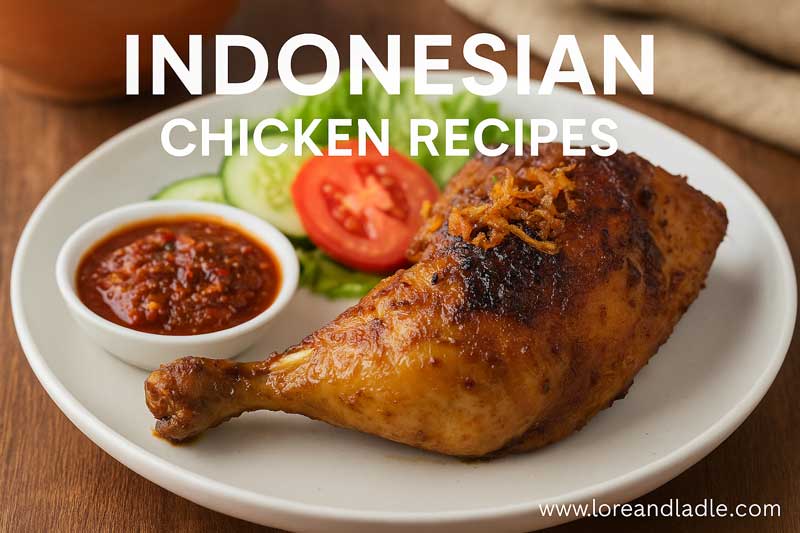
- Ayam bakar or ayam goreng: grilled or fried chicken with crisp skin and flavorful sauce.
- Dendeng balado: thinly sliced beef with a chili-lried finish that bites back.
- Telur balado: eggs with a bright, peppery glaze.
- Sayur lodeh or sayur nangka: vegetables stewed in coconut milk, comforting and fresh.
- Ikan balado or udang balado: seafood kissed with a lively chili sauce.
- Tempeh or tahu: soy foods that soak up spices beautifully.
The server may present a rainbow of colors, from deep browns to sunny greens, with aromas that hint at coconut, lemongrass, and lime leaves. You can tailor your plate by choosing the dishes that appeal to your own palate. The variety is the spirit of Nasi Padang, inviting you to explore many flavors in one meal.
A flavor philosophy: balance and technique
The essence of Nasi Padang rests on balance. Creamy coconut milk meets bright chilies. Savory meat meets tangy citrus or a whisper of palm sugar. Spices such as turmeric, ginger, and garlic weave through the dishes, creating warmth without heaviness. The cooking technique often features slow braising, shallow frying, and quick finishing sauces. This combination yields depth, fragrance, and a lasting impression on the palate. In every bite, you sense a thoughtful approach to flavor layering.
Presentation and dining style
In a Nasi Padang setting, presentation matters as much as taste. A clean bed of rice anchors the plate, while bowls or small dishes surround it like a gallery of tastes. The experience encourages sharing and conversation. Diners point to dishes they crave, and the server brings them to the table in a steady rhythm. The result is a lively, social meal that feels festive and welcoming. In U.S. restaurants, the spread can be adapted for ease of selection while preserving the spirit of abundance.
The cultural value in Indonesian cuisine
Nasi Padang embodies a cultural mindset that values hospitality, diversity, and flavor exploration. It highlights regional ingredients and techniques from West Sumatra, including coconut milk, chili heat, and fragrant herbs. The dish teaches appreciation for balance—how bold elements can coexist with milder ones. It also showcases the skill of cooks who manage many components at once, keeping each dish distinct yet harmonious when paired. This approach to food invites diners to trust their own preferences and to experiment with combinations. The experience emphasizes sharing, conversation, and the joy of a meal that unfolds across several dishes.
A restaurant-style experience in the U.S.
Across the United States, Nasi Padang restaurants bring a snapshot of Indonesian cuisine to a new audience. The format often centers on a central display of lauk and a rice plate that invites customization. The menu emphasizes accessibility: vegetarian options, coconut flavors, and spicy heat that can be adjusted. Chefs adapt local ingredients while maintaining authentic methods. The result is an inviting, reliable way to explore a beloved regional cooking style without leaving home.
Tips for tasting and pairing
- Start with a few dishes that showcase different textures—one creamy, one crunchy, one tangy.
- Tune heat to your taste. If you prefer milder spice, ask for gentler sambal or smaller portions of hot sauces.
- Pair the dishes with a small portion of plain white rice to let each flavor breathe.
- Save room for a sweet or refreshing finish, such as a coconut-based dessert or a citrusy drink.
- Look for freshness in greens and herbs; crisp vegetables brighten the plate and balance richness.
In sum
Nasi Padang offers a passport to a culinary language built on abundance, harmony, and shared delight. It is a restaurant-style Indonesian classic that travels well to the U.S. dining scene, inviting curiosity and conversation. With its inviting presentation, thoughtful balance of flavors, and emphasis on communal eating, it remains a timeless celebration of cooked mastery and warm hospitality. Whether you are new to Indonesian cuisine or revisiting a favorite, Nasi Padang promises a memorable, respectful, and delicious experience.