
Introduction: A Taste of Indonesian Hospitality in America
Nasi Padang and Other Restaurant-style Indonesian Dishes Loved in America invite readers into a world where rice anchors a lively tapestry of colors, scents, and textures. This blog celebrates the cultural value and culinary significance of these dishes. In American dining rooms and in bustling, family-run eateries, these foods offer a window into a vibrant food culture that prizes balance, craft, and shared enjoyment. The story is simple and inviting: a spread of small plates, each carrying its own aroma, and a generous plate of fluffy rice that ties everything together.
What Makes Nasi Padang Special
Nasi Padang shines because it presents a wide map of Flavors in one setting. A single meal can feature several small dishes, from tender beef rendang to bright, crisp vegetables and a fragrant curry. The experience centers on variety, aroma, and the social joy of sampling many flavors in one sitting. In every bite, you can sense careful techniques and the harmony between heat, sweetness, sourness, and savoriness. The rice provides a steady base, while each side dish offers a story of its own. This combination makes Nasi Padang feel both intimate and celebratory.
A Palette of Flavors: Core Elements and Techniques
The essence of Nasi Padang and its restaurant-style kin lies in technique and balance. Slow braising and simmering create deep, comforting flavors in dishes like rendang and gulai. Coconut milk lends creaminess, while spices such as turmeric, lemongrass, garlic, shallots, and chili deliver brightness and warmth. Sambal, a chili paste, offers heat and a bright kick that can wake up every bite. Crunchy toppings, such as fried shallots, add texture and aroma. The artistry is in blending several components so that each dish remains distinct, yet all together form a cohesive meal.
Rice is more than a backdrop; it is a canvas. Well-cooked rice carries the juices and essences from the curry, the sambal, and the herbs. It soaks up flavor with ease, inviting guests to compare contrasts between aromatic, creamy, and crisp textures. In this way, Nasi Padang embodies how Indonesian cooking invites careful attention to ingredient quality, precise timing, and the joy of tasting multiple elements in one visit.
The Restaurant Experience: Sharing, Style, and Craft
Restaurant-style Indonesian dishes thrive in settings that emphasize hospitality and variety. Servers present a colorful array of dishes that guests can select and share. The act of choosing, passing plates around, and building a plate together creates a sense of community and warmth. The presentation—bright greens, rich reds, and glossy curries—appeals to the eye before the first bite. In many beloved eateries, skilled cooks balance speed with care, delivering consistent flavors across a busy service. This environment highlights the adaptability of Indonesian cooking to a modern dining scene, while preserving the heart of the tradition: respect for ingredients and the joy of a table shared by friends and family.
Beyond Nasi Padang: Other Indonesian Dishes Loved in America
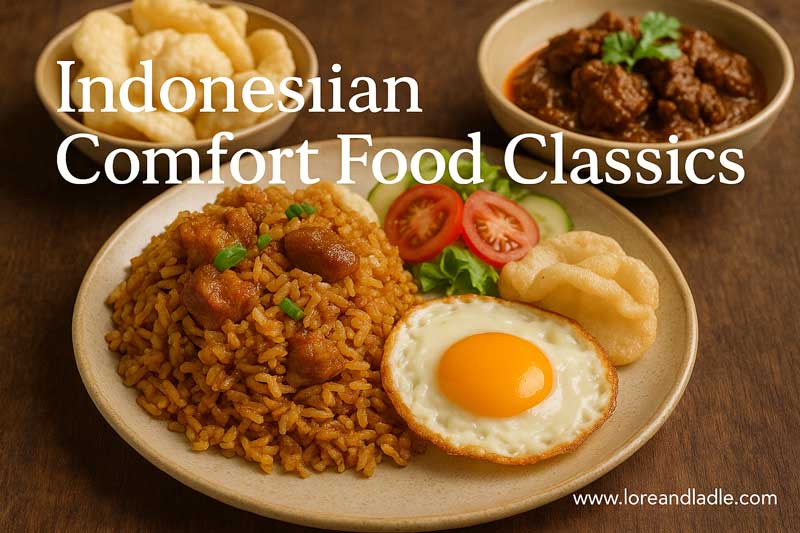
Nasi Padang stands alongside other restaurant-style Indonesian signatures that have found favor across American kitchens. Nasi Goreng, Indonesian fried rice, captures a comforting, familiar feel with a distinctive aroma from sweet soy and garlic. Satay offerings bring tender skewers with peanut sauce that invites dipping and savoring. Gado-Gado presents a lively contrast with fresh vegetables, tofu or tempeh, and a creamy peanut dressing. Soup favorites like Soto Ayam offer warmth through turmeric, herbs, and a bright citrus finish. Each dish speaks to Indonesian culinary logic: clarity of technique, balance of flavors, and a respectful embrace of fresh ingredients. Together, these dishes form a culinary map that Americans can explore with curiosity and delight.
The Craft Behind the Flavor: Fresh Ingredients and Seasonal Beauty
Indonesian cooking emphasizes fresh ingredients and careful preparation. Herbs, chilies, and coconut flavors are used with restraint to highlight natural sweetness and savoriness. Seasonal produce is celebrated, so menus often feature greens, root vegetables, and herbs that express the moment. This attention to freshness translates into dishes that feel lively and nourishing. When chefs and home cooks select ingredients, they look for brightness in peppers, aroma in spices, and the soft, yielding texture of a properly cooked rendang. The result is a cuisine that feels intimate, grounded, and deeply satisfying.
How to Enjoy These Dishes in America: Tips for Appreciation
To truly appreciate Nasi Padang and its kin, start with variety. Taste a few small plates alongside a larger serving of rice to experience how flavors pair and contrast. Observe how the creamy, the spicy, and the herbal elements interact without overpowering the palate. Notice the aroma that rises from the curry, the brightness of the sambal, and the texture of crunchy toppings. Pair the dishes with a light, refreshing beverage to cleanse the palate between bites. In many restaurants, asking for recommendations can lead you to hidden favorites that reveal the heart of a kitchen’s craft. That curiosity is part of the joy of exploring Indonesian restaurant-style meals in America.
Cultural Value: The Beauty of Shared Dining and Craft
These dishes offer more than taste alone. They carry a cultural value that shines in the way meals are planned, shared, and appreciated. The practice of presenting multiple dishes at once reflects a philosophy of hospitality and generosity. The careful layering of spices and the management of heat show a respect for tradition and technique. The ability of these dishes to adapt to different dining formats—from casual eatery counters to family-owned restaurants—speaks to their versatility and enduring appeal. In America, they become bridges between culinary worlds, inviting everyone to experience the texture, aroma, and artistry of Indonesian cooking.
Closing: An Invitation to Explore and Celebrate
Nasi Padang and Other Restaurant-style Indonesian Dishes Loved in America invite readers to celebrate flavor, craft, and community. The dishes stand as a testament to the beauty of Indonesian cooking: a harmony of technique, ingredients, and heart. Whether you visit a bustling restaurant or cook at Home with friends, the experience is the same—the pleasure of sharing a table, savoring a spectrum of tastes, and honoring a culinary tradition that continues to inspire and delight. If you are curious about Indonesian food, start with a colorful spread, listen for the layers of aroma, and let the rice carry every story to your plate.