
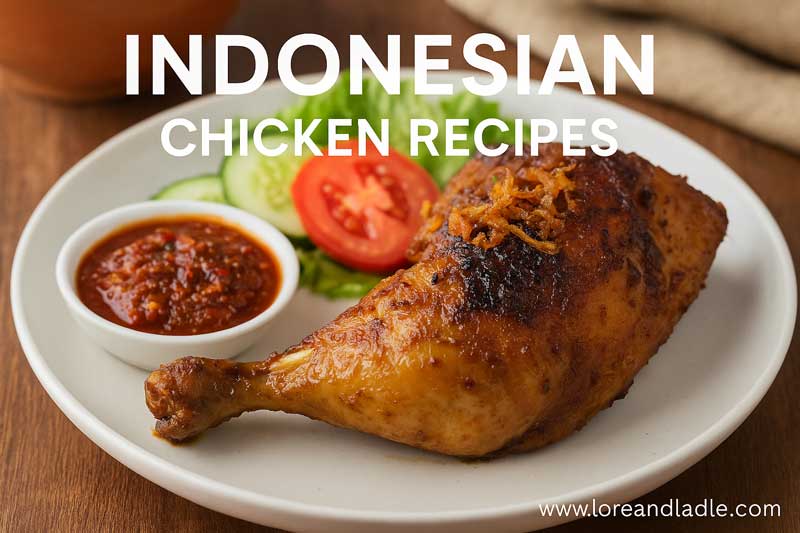
Nasi Padang and Indonesian Chicken Recipes Favorites for Indonesian Food Fans in the U.S.
This post invites readers to explore the cultural value and culinary significance of Nasi Padang and Indonesian chicken recipes that are favorites among Indonesian food fans in the United States. You will discover how these dishes carry tradition, craft, and joy in every bite. Let us begin with a look at the heart of the meal: Nasi Padang.
A rich tradition of sharing and variety
Nasi Padang centers on sharing. A fragrant pot of steamed rice sits at the table, surrounded by a colorful array of small dishes. Each plate offers a different balance of heat, sweetness, sourness, and savoriness. This style emphasizes hospitality and abundance. Friends and family gather to sample several flavors side by side. The experience is generous and lively, inviting curiosity and conversation. At its best, the table becomes a microcosm of Indonesian regional flavors, all presented with warmth and care.
The core of Nasi Padang: rice as a stage for flavors
Rice is the simple, honest stage that makes the sauce-rich dishes sing. The rice anchors bright sambals, creamy curries, and smoky grilled meats. In Padang-inspired meals, the sauces and sides often feature bold aromatics: garlic, shallots, turmeric, chili, lemongrass, and coconut milk. The result is a harmony where a single bite can be creamy, tangy, spicy, and sweet. When you savor Nasi Padang, you taste a philosophy of balance, where intense flavors are kept in check by fresh herbs and fragrant spices.
Indonesian chicken recipes: a thread through family kitchens
Chicken is a beloved canvas in Indonesian cooking. It adapts to many regional palates and cooking styles. Classic favorites include Ayam Goreng (fried chicken), Ayam Balado (chili-spiked chicken), and Opor Ayam (gentle coconut-t Curry-like braise). Each method highlights different techniques: crisp frying, succulent braising, and bright chili-tamarind brightness. The chicken dishes pair beautifully with rice and the array of Padang sauces, showcasing how a single ingredient can carry a wide spectrum of character. The result is comforting and familiar, yet full of small surprises with each preparation.
Craft and skill: techniques that elevate home cooking
At the heart of these dishes lies careful technique. A well-made bumbu halus (smooth spice paste) blends garlic, shallots, chilies, cinnamon, nutmeg, and other aromatics into a silky base. Patience matters: gentle simmering develops depth in rendang-style sauces, while a quick, high-heat fry creates a crisp exterior for Ayam Goreng. Mastery comes from tasting, adjusting heat, and letting ingredients release their natural sweetness. The skill is practical and joyful, passed along in family kitchens and friendly cooking sessions. The result is a plate that feels timeless yet freshly prepared.
The flavor map: how dishes interplay
Nasi Padang meals are a tapestry of contrasts. Creamy coconut milk melts with bright lime and fresh herbs. A smoky, charred note from grilled chicken sits next to a tangy, fiery sambal. Sweetness from palm sugar or coconut adds warmth to savory meat and vegetables. This flavor map invites careful tasting and gentle balance. When you pair a rich curry with a clean bite of rice and a sharp sambal, you experience a culinary dialogue that is both exciting and comforting.
Serving and etiquette: the shared table
The serving style centers on generosity and ease. Small bowls or plates hold the diverse dishes, which can be replenished as the meal unfolds. Sambal is often served on the side, allowing each eater to control the heat. Presentation emphasizes color, texture, and aroma, turning the table into a living gallery of taste. The shared plate tradition celebrates communal eating, where attention to every bite reflects care for guests and family.
The cultural significance in Indonesian food culture
These dishes embody many core values of Indonesian cooking. They honor regional diversity, with flavors reflecting coastal herbs, mountain spices, and village techniques. They celebrate hospitality, turning meals into social rituals that strengthen friendships and family ties. The craft of balancing heat, sweetness, and acidity demonstrates a respect for nature’s bounty and a thoughtful approach to flavor. In every kitchen, these recipes connect cooks to a long line of makers who explored taste with curiosity and care. The result is cuisine that feels both rooted and alive.
Enjoying in the United States: accessibility and inspiration
In the United States, enthusiasts can explore these flavors with approachable ingredients. Common staples like rice, coconut milk, garlic, shallots, and chilies travel well and adapt to local markets. Padang-inspired dishes invite creativity in home kitchens, allowing cooks to adjust level of heat or sweetness to personal taste. Cooking classes, online tutorials, and neighborhood markets can help you discover authentic spice blends and techniques. The experience is inviting, practical, and deeply satisfying for anyone who loves bright, aromatic cooking.
Quick-start guide: crafting a Nasi Padang meal at home
- Start with steamed white rice as your base.
- Choose 3–4 side dishes that offer different textures (crisp, creamy, and saucy).
- Prepare a simple sambal to bring heat and brightness.
- Pair the dishes on a shared plate, allowing flavors to mingle at the table.
- Finish with a gentle coconut-tinged curry or a fragrant herb sauce to tie the flavors together.
- Taste and adjust salt, sweetness, and heat as you go.
A gentle invitation to taste and learn
Nasi Padang and Indonesian chicken recipes offer more than nourishment; they invite curiosity, respect for craft, and shared joy. Each plate tells a story of regional styles, family kitchens, and the skillful balance of flavors that make Indonesian cuisine beloved around the world. If you approach them with openness, you will discover a culinary language that is welcoming, precise, and endlessly fascinating. Enjoy the aroma, savor the textures, and celebrate the beauty of these dishes as living parts of Indonesia’s rich food culture.