
Discover Nasi Uduk: A Comforting Indonesian Favorite for Home Cooks
Nasi uduk is a warm, inviting dish that fills kitchens with inviting aromas. It is rice cooked in coconut milk and fragrant aromatics, not plain white rice. The result is a soft, slightly glossy grain with a gentle sweetness and depth. In Indonesian homes, this dish feels like a hug from the table. The flavor comes from cooking rice with coconut milk, pandan leaves, and a pinch of salt. It is a simple pleasure that welcomes family and friends to the meal. Home Cooks often personalize nasi uduk with a favorite set of accompaniments, making it both comforting and versatile. This dish stands as a treasured part of everyday Indonesian cooking and a quiet example of culinary craft passed down in families.
What Makes Nasi Uduk Special
Nasi uduk shines because its base is both humble and luxurious at once. The coconut milk adds richness without heaviness, while pandan leaves offer a bright, vanilla-like fragrance. Bay leaves or a light touch of lemongrass can deepen the aroma. The rice remains fluffy and tender, carrying the scent of its simmering bath. This combination creates a comforting foundation for a variety of toppings. The dish invites balance: creamy rice pairs with crisp fried additions, bright sambal, and fresh vegetables. The result is a meal that feels nurturing and complete, whether shared at Weekend Gatherings or prepared for busy mornings.
Aromas, Ingredients, and Techniques
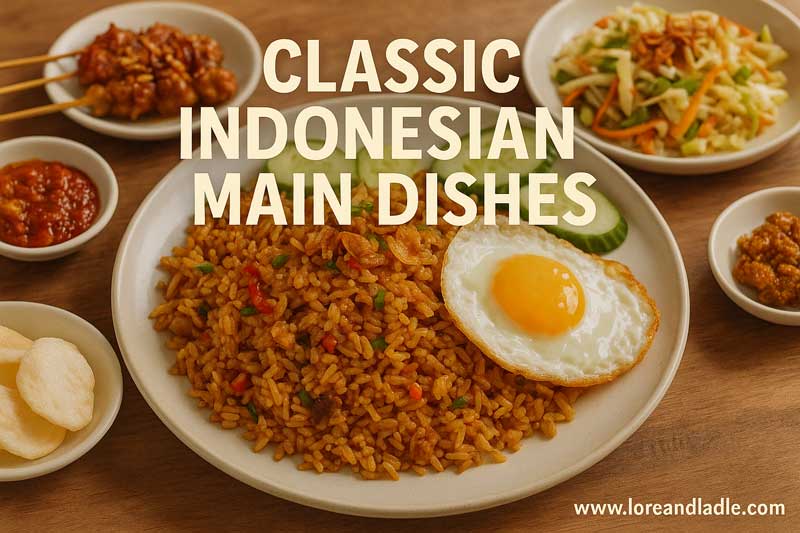
The core elements are simple and accessible. Use short- or medium-grain rice for a soft texture. Mix the rinsed rice with coconut milk, water to adjust liquid level, pandan leaves, bay leaf, a pinch of salt, and a touch of sugar if you like. Simmer gently until the rice is tender and the liquid is absorbed. Let the pot rest off the heat for a few minutes to finish steaming. Common accompaniments include fried chicken, a slice of omelet, tempeh or tofu, cucumber, sambal, and emping crackers. The complete plate blends creamy rice, crisp toppings, and bright sauces, creating harmony in every bite.
Cultural Significance in Betawi and Indonesian Kitchens
Nasi uduk carries a sense of belonging and hospitality in Indonesian homes. It is deeply associated with morning meals and weekend preparations, a dish families often prepare together. The Betawi people, whose culinary heritage shapes nasi uduk, bring a spirit of warmth and generosity to the table. The recipe travels through neighborhoods and households, evolving with local ingredients while preserving a core method. This dish embodies everyday Indonesian food culture: careful technique, respectful use of ingredients, and a shared moment of eating together. Its appeal crosses regions, inviting cooks to adapt while preserving the comforting soul of the rice and its companions.
Traditional Pairings and Serving Ideas
Serving nasi uduk is an occasion for thoughtful presentation. A heaping mound of fragrant rice anchors the plate, surrounded by a choice of proteins and sides. Fried chicken gives a satisfying crisp contrast, while sliced boiled eggs add color and richness. Tempeh or tofu provides plant-based texture, and cucumber slices refresh the palate. Crunchy emping crackers or light kerupuk add a playful bite. A small amount of sambal offers a bright, spicy note for those who enjoy heat. Fried shallots sprinkled on top bring sweetness and aroma. The ensemble feels balanced, with each element highlighting the rice’s aroma.
Nasi Uduk in Modern Home Cooking
Today’s home cooks adapt nasi uduk to faster routines without losing its essence. Quick coconut milk blends or shelf-stable pandan flavors can speed preparation. A slow cooker or a rice cooker with a coconut-m milk setting makes the process easier while preserving aroma. Family favorites can appear as meal-prep options: you cook a batch of rice with coconut milk, then portion it with a set of toppings for quick weeknight meals. The dish remains grounded in tradition, even as cooks experiment with new toppings or regional twists. In homes across Indonesia, nasi uduk welcomes both familiar favorites and personal creativity.
Tips for Getting That Comforting Aroma at Home
- Use fresh pandan leaves if possible; they deliver a bright, sweet aroma.
- Toast the coconut milk lightly to deepen the fragrance before adding it to the rice.
- Do not overcook; let the rice rest after cooking to finish steaming and set the texture.
- Balance salt and a touch of sweetness to suit your family’s taste.
- Add toppings gradually as you plate, to keep textures vibrant.
A Gentle Celebration of Everyday Indonesian Cuisine
Nasi uduk invites curiosity about Indonesian flavors and the craft of Home Cooking. It teaches patience in technique and joy in simple ingredients. The dish celebrates the beauty of coconut aroma, the softness of well-cooked rice, and the comfort of familiar toppings. Sharing nasi uduk with family and friends becomes a small ceremony of everyday life, reminding us that good food often comes from thoughtful preparation and a grateful heart. For home cooks, nasi uduk offers a welcoming doorway into Indonesian cuisine, inviting you to savor aroma, texture, and the warm feeling of a well-loved meal. Try this dish this weekend, and let the kitchen tell a story of home, tradition, and care.