
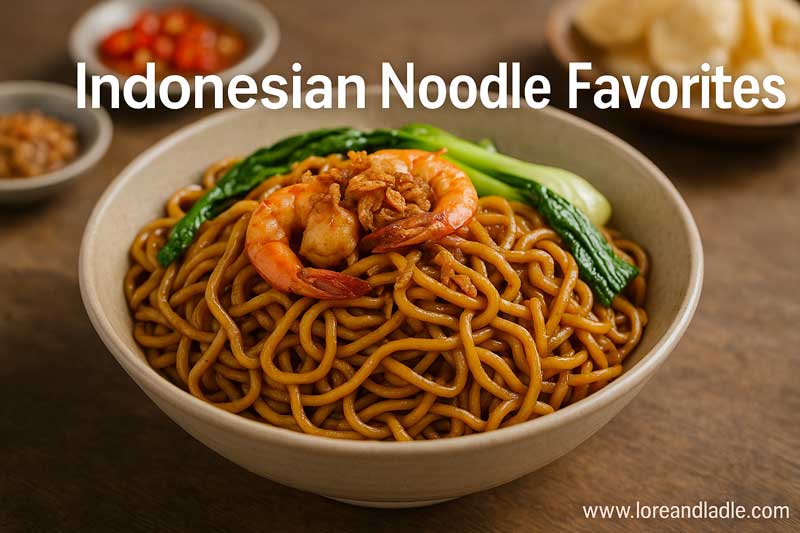
A Flavorful Welcome to Nasi Uduk
Nasi Uduk Recipe Inspiration for Summer Cookouts in the U.S. greets you with a bowl that feels like a warm welcome. The dish centers on rice cooked in coconut milk, scented with lemongrass, pandan, garlic, and shallots. It is soft, fragrant, and comforting. The aroma invites people to sit, share, and savor. In many homes, nasi uduk is a daily joy and a beloved gathering dish. The technique is simple yet precise: simmer the rice slowly until the grains are tender and glossy. The result is a fragrant, creamy grain that carries a gentle sweetness and a touch of spice. This post celebrates its cultural value and culinary charm in a way that fits sunny, outdoor meals in the U.S.
The Heart of the Dish: Coconut Rice and Aromatics
The heart of nasi uduk is its coconut rice. Rice cooks in coconut milk with water, plus a hint of garlic and shallots. Lemongrass and pandan leaves add bright, tropical notes. The rice stays fluffy and tender as the coconut keeps it moist. This method showcases a balance: richness from the coconut, freshness from the aromatics, and a clean grain that shines on its own. The technique honors everyday cooking, turning simple ingredients into a graceful dish.
A Tasting Parade: Garnishes, Sauces, and Sides
Top with crisp fried shallots, cucumber slices, and a boiled egg. Offer a handful of roasted peanuts for crunch. A small bowl of sambal on the side adds heat that brightens the palate. Some cooks also fold in fried chicken or tempeh for heartiness. The result is a platter that invites mixing and sharing, with colors and textures that delight the eye. This flexibility makes nasi uduk a friend to many tastes and occasions.
Cultural Value: Hospitality and Everyday Craft
Nasi uduk is more than a dish; it is a practice of hospitality. The act of preparing rice with care, presenting it in a generous spread, and inviting others to choose their toppings speaks to warmth and respect. Shares of nasi uduk tell a story of daily life, family routines, and the joy of cooking together. The dish is versatile for breakfast, lunch, or dinner, showing its place in daily food culture. The aroma itself signals welcome and togetherness, qualities valued in many food cultures.
Summer Cookouts in the U.S.: A Fresh Context
The U.S. summer scene welcomes nasi uduk as a bright, comforting alternative to heavier grill fare. Its coconut aroma travels outdoors and pairs well with grilled chicken, corn on the cob, and fresh salad. The dish scales well for gatherings: you can cook the rice in advance and assemble toppings as guests arrive. The toppings offer choices for all ages and spice levels, making it easy to Share with friends and family. In this setting, nasi uduk becomes a fusion of technique and communal dining, rooted in Indonesian kitchen craft yet welcoming to new tastes.
Serving Ideas for a Bright Summer Table
For service, lay a large platter with rice and a bowl of toppings. Keep the sambal on the side for those who want more heat. Add slices of cucumber and halved boiled eggs. Offer peanuts and fried shallots in small bowls. A citrusy chutney or a light pickle can add brightness, if desired. The key is balance: coconut cream, savory notes, crisp textures, and a gentle kick of spice.
A Joyful Note on Craft and Care
In the end, nasi uduk invites care in cooking and joy in sharing. The dish embodies a quiet artistry: layering flavor, coordinating textures, and inviting conversation at the table. When you bring nasi uduk to a summer cookout, you bring culture, craft, and a sense of welcome that everyone can feel. The dish stands as a reminder that great cooking happens when ingredients are treated well and people are treated with care.