
Introduction
One-Bowl Lao Seafood Specials Meals for Easy Cleanup invites readers to explore a dish that honors both flavor and the joy of gathering. This concept blends fresh Lao seafood with bright herbs and a comforting rice base, all presented in a single bowl. The result is a meal that feels both celebratory and welcoming. In these pages, we celebrate the cultural value and culinary significance of this dish without distractions. The focus stays on how the ingredients, technique, and presentation reflect Lao foodways and the daily rituals around sharing a meal.
The Geography and Heart of Lao Seafood
Lao cuisine sits beside rivers and fertile plains, where fresh water and seasonal harvests shape every bite. Seafood plays a central role because rivers such as the Mekong feed regional kitchens with reliable, flavorful options. This dish draws on that abundance, pairing fish or shellfish with vegetables and herbs that grow in the same watershed. The bowl becomes a small map of the region: a cozy showcase of river-sustained flavor, brightened by citrus and herbs. In short, the dish is a quiet portrait of place, season, and abundance.
Flavor Architecture and Techniques
The culinary signature here rests on balance. Lao cooking often seeks harmony among sour, salty, spicy, and aromatic notes. In this one-bowl format, you can taste the clarity of the seafood first, then a chorus of herbs and citrus. Techniques focus on preserving brightness: a quick sear to lock in flavor, a gentle simmer to coax sweetness from vegetables, and a final fold of fresh herbs. The sauce uses fish sauce or a light broth base to provide depth without overpowering the delicate seafood. Lime or tamarind supplies tang, while chili adds warmth. The result is a layered profile that remains clean and expressive, true to Lao sensibilities that celebrate purity and balance.
The One-Bowl Experience: Practicality and Social Rituals
The “one-bowl” concept is more than convenience; it is a reflection of hospitality. In Lao dining culture, sharing food is a gesture of welcome and care. A single, generously filled bowl can serve as a complete meal, reducing clutter and inviting conversation. Clean-up becomes a simple, joyful afterglow of eating together. This approach respects the guest and the cook alike, letting flavors shine while keeping the table uncluttered. The dish thereby reinforces a social rhythm: prepare, gather, savor, and thank the people at the table.
Cultural Value: Hospitality, Seasonality, and Storytelling
This dish anchors itself in the gentle traditions of Lao hospitality. It celebrates seasonality through vegetables and herbs that appear at their peak. It also honors craft: selecting fresh seafood, balancing sauces, and finishing with bright greens. Each bite tells a story of rivers, markets, and the daily work of cooks who understand timing and texture. The bowl becomes a storytelling vessel, a way to share gratitude for the ingredients and for the people who prepared and enjoyed them together. The preparation and presentation honor a philosophy of careful simplicity that many cooks value.
Craft and Ingredients Spotlight
Key elements shape the dish’s character:
– Fresh seafood: fish fillets or river shrimp that cook quickly and remain tender.
– Aromatics: garlic, shallot, and a touch of lemongrass or dill to lift the aroma.
– Herbs: mint, cilantro, Thai basil, and cilantro leaves add brightness just before serving.
– Citrus and tang: lime juice or a splash of tamarind balances the richness.
– Seasoning: a light fish sauce or a small amount of salt to adjust savor without overpowering the seafood.
– Rice component: a bed of steamed jasmine rice or sticky rice in the bowl anchors the meal.
– Optional greens: leafy vegetables or sliced vegetables for color and texture.
Techniques emphasize letting each component speak. Slices of fish are seared briefly to develop flavor, then simmered in a delicate broth with a splash of citrus. Finally, herbs are folded in at the end to preserve their aroma and color. The rice serves as a comforting anchor, soaking up the broth as flavors mingle. The outcome is a cohesive plate where individual elements remain distinct yet harmonize beautifully.
Plating and Aesthetics: Color, Aroma, and Simplicity
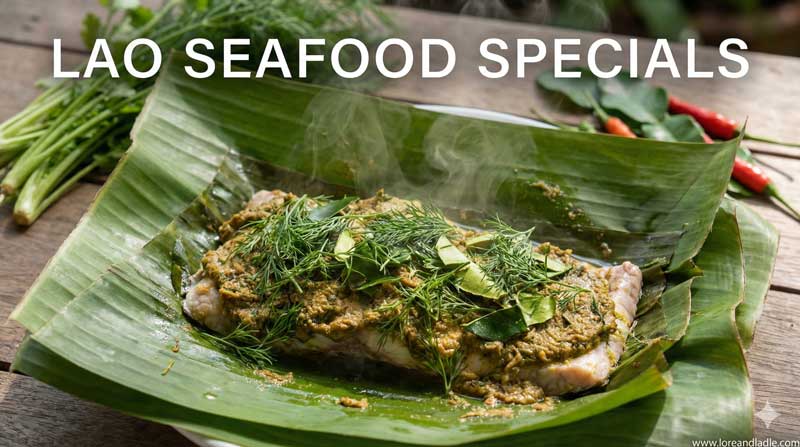
In presentation, color matters. A single bowl showcases a spectrum: pale fish, emerald herbs, ruby chili, and the pale warmth of rice. The aroma rises in inviting waves, a prelude to the first bite. Minimal garnishes keep the bowl uncluttered, letting the natural beauty of fresh ingredients shine. This approach aligns with Lao aesthetics that appreciate clean lines and open space, creating a dining experience that feels both elegant and unforced. The result is as pleasing to the eye as it is satisfying to the palate.
Cultural Value in Everyday Life: Family, Food, and Mindful Eating
Beyond flavor, this dish embodies a way of eating that values mindfulness and togetherness. It encourages diners to slow down, savor each component, and appreciate the seasonality of the ingredients. The one-bowl format supports a practical yet intimate meal, making it easy to share and enjoy without fuss. In homes and small eateries, meals like this reinforce community, gratitude, and the artistry of simple cooking. The dish becomes a gentle reminder that nourishment can be both comforting and expressive, a reflection of daily life in Lao culinary culture.
A Modern Take Within Tradition: Adapting for Today’s Kitchens
While rooted in traditional flavors, One-Bowl Lao Seafood Specials Meals for Easy Cleanup adapts to contemporary kitchens. Home Cooks can replicate the concept with locally available seafood and seasonal produce. The emphasis on balance, freshness, and ease of cleanup translates well to busy days and casual gatherings. Yet the heart remains the same: a celebration of Lao ingredients, craft, and the joy of sharing one harmonious bowl.
Conclusion: A Clear Path to Flavor and Community
This dish stands as a respectful homage to Lao culinary values. It honors river abundance, thoughtful seasoning, and the warmth of hospitality. In a single bowl, it captures the beauty of Lao seafood cookery—simple, vibrant, and deeply communal. For cooks and diners alike, it offers a welcoming invitation to explore flavors, savor connection, and celebrate the artistry of Lao food culture.