
One-Pan khinkali party platters: Recipes for Easy Cleanup
Khinkali, the beloved Georgian dumplings, become even more inviting when cooked as a single-pan platter. This method blends tradition with practicality, letting a crowd savor every juicy bite while keeping cleanup simple. The result is a lively, shared meal that feels timeless and fresh at the same time. Read on to discover why this dish holds a special place at the table and how the one-pan approach enhances its practical charm.
What makes khinkali special in Georgian cuisine
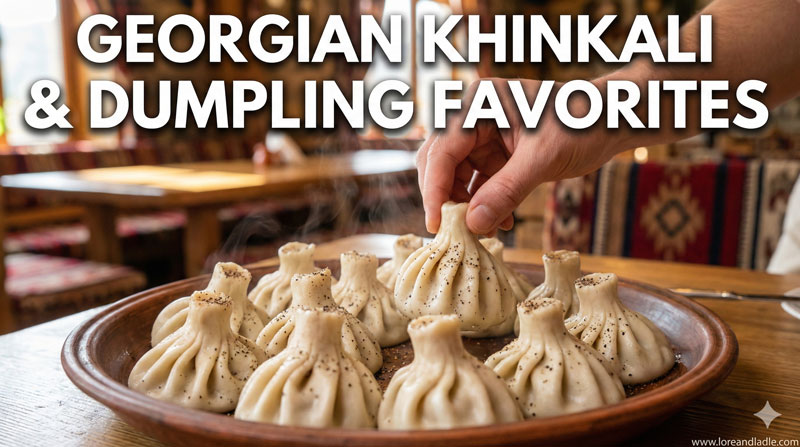
Khinkali are more than food; they are a cultural ritual of care and hospitality. Each dumpling holds a pocket of savory broth, herb notes, and well-seasoned meat. The pleated edge is a work of craft, a small sculpture formed by hands that tell a story of patience and tradition. When they come together on a single platter, the dumplings create a beautiful mosaic that invites conversation and shared appreciation. In Georgian dining, serving food in a generous, communal display signals warmth, generosity, and respect for guests. The one-pan presentation reinforces this spirit by offering easy access, generous portions, and a welcoming centerpiece.
The cultural value of shared meals
Sharing food is a gesture of friendship and belonging. A one-pan khinkali platter makes the moment effortless: everyone gathers round, speaks softly over steam, and connects through aroma and texture. The platter encourages mingling—neighbors, family, and friends reach in, discuss the fillings, and savor the juicy interior together. This practice celebrates hospitality as a way to honor guests and mark everyday moments as meaningful. The dish thus becomes a bridge between tradition and everyday life, a reminder that good food can bring people closer in a warm, unhurried meal.
Culinary significance: texture, flavor, and balance
The dough for khinkali should be smooth and supple, able to cradle a tender, flavorful filling. The filling often blends ground meat with onions, garlic, herbs, and spices. The balance of fat, salt, and aromatic greens creates a mouthwatering contrast with the almost broth-like juice inside each dumpling. The one-pan method enhances this experience by allowing steam to infuse every dumpling while the edges stay firm enough to hold their shape. The result is a harmony of bite, chew, and juiciness that deeply satisfies, bite after bite. The cooking approach also helps maintain moisture and aroma, so the platter feels lush from first to last dumpling.
The one-pan method: flavor, texture, and easy cleanup
A single, wide pan fosters an anchored, social cooking process. Arrange khinkali in a circular pattern so everyone can reach in with ease. Add a small amount of water to the pan, just enough to create steam without drowning the dumplings. Cover and simmer until the dough is tender and the filling releases its juices. The bottom may develop a light, delicate crust if you like, which adds a pleasing contrast. Cleanup is straightforward: a single pan, a wooden spoon, and a towel to wipe edges. This simplicity keeps the focus on shared conversation and the joy of tasting.
Step-by-step guide to building the platter
- Prepare dough: mix flour, water, a pinch of salt, and knead until smooth. Rest the dough briefly.
- Make filling: finely chop onion, garlic, herbs, and meat. Season well with salt, pepper, and a touch of pepper flakes if desired.
- Roll and fill: roll small rounds, add filling, and pleat the edges with care.
- Arrange in pan: place the dumplings upright in a circle or cluster, leaving space to steam.
- Steam in the pan: add a shallow layer of water, cover tightly, and cook until the dough is tender and the juices are released.
- Finish and serve: a light brush of melted butter or herb oil can gloss the tops; garnish with fresh herbs if you like.
- Serve hot: present the platter at the center of the table for easy sharing.
Serving and presentation: inviting hospitality at the table
Presentation matters as much as flavor. The one-pan platter becomes a centerpiece that signals hospitality. Place the pan where it’s easy for guests to reach, with small bowls of fresh herbs or cracked pepper for finishing touches. Offer a crisp bread or yogurt-based dip to accompany bites. The aroma of seasoned meat, onion, and herbs fills the room, inviting conversation and a relaxed pace. A well-curated platter turns a simple meal into a memorable social event.
Variations to suit different tastes and seasons
- Meat variations: lamb, beef, or a mix provide different depth and aroma.
- Vegetarian option: mushroom and spinach with feta or ricotta can mirror the texture of traditional fillings.
- Fresh herb accents: dill, cilantro, or parsley lift the filling with bright green notes.
- Global flavor twists: a pinch of smoked paprika, sumac, or garlic-chili oil can refresh the profile without compromising the core technique.
The flexibility of the one-pan method makes it easy to adapt to seasonal ingredients or guest preferences while keeping the essence intact.
Conclusion: a celebration of flavor, texture, and togetherness
One-Pan khinkali party platters offer more than a delicious meal. They embody careful craft, generous hospitality, and the joy of sharing food. The single-pan approach honors tradition by preserving the dumplings’ juiciness and texture, while it embraces a modern, social dining style with easy cleanup. If you seek a dish that invites conversation, showcases skilled dumpling technique, and centers the table around warmth and welcome, this platter is a beautiful choice. Enjoy the aroma, the textures, and the shared moments that make every gathering feel timeless.