
Introducing One-Pan Myanmar Salads & Tea Leaf Dishes: Ideas for Easy Cleanup
This dish blends two treasured strands of Myanmar cuisine into a single, welcoming pan. One-Pan Myanmar Salads & Tea Leaf Dishes celebrates the country’s bright flavors, crisp textures, and fragrant herbs. It invites Home Cooks to savor a vibrant meal without a long cleanup. The concept honors the Burmese love of fresh vegetables, tangy tea leaves, and careful seasoning. In every bite, you feel a respectful nod to traditional ingredients and modern convenience. This is more than a recipe; it is a celebration of everyday hospitality.
Culinary Significance: A Window into Burmese Flavor Craft
Myanmar’s salads and tea leaf dishes showcase balance and harmony. The flavors hover between sour, salty, nutty, and a gentle sweetness, all in harmony with rice. Tea leaves, sesame, peanuts, and bright lime create a tapestry that feels both rustic and refined. The one-pan approach highlights how diverse bites come together naturally in Burmese tables. It is a practical method that respects seasonality and regional produce. The dish honors the artistry of texture, from crunch to tenderness, and it invites mindful tasting.
The Flavor Palette: Core Ingredients That Shine
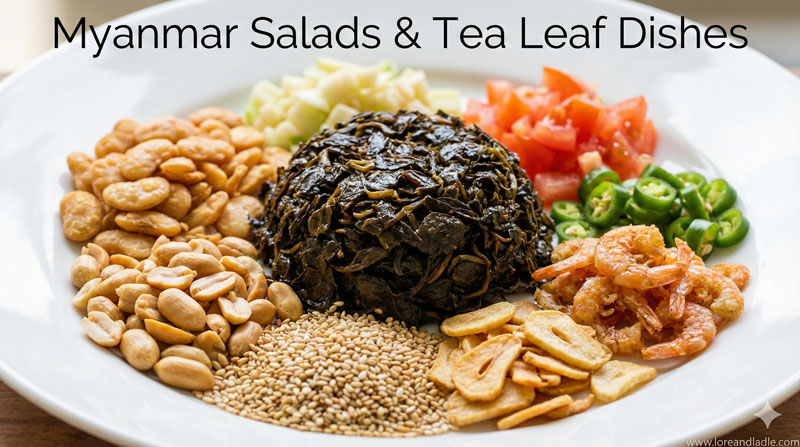
Key players include fermented tea leaves and fresh greens. Add shredded cabbage, crunchy carrots, and sliced onions for texture. Nutty elements—roasted peanuts and sesame seeds—provide depth. A light garlic oil or sesame oil ties flavors together, while lime juice adds brightness. Optional chili gives a gentle heat that complements the greens. A splash of fish sauce or salt can adjust savoriness without overpowering the dish. Each component brings personality, yet the pan keeps them in balanced conversation.
Techniques for One-Pan Preparation: Smart and Simple
Begin with a hot, wide pan to create a quick aroma from garlic and oil. Next, layer in sturdy vegetables that hold their bite. Then fold in delicate greens and the tea leaf mixture near the end to keep their character intact. Toss gently to blend without mashing. The aim is cohesion, not uniform sameness. Finally, finish with a citrusy touch and a handful of nuts for crunch. This method delivers a complete meal with minimal cleanup.
Cultural Value: Hospitality, Sharing, and Everyday Joy
In Myanmar, food is a language of welcome and care. Salads and tea leaf dishes often appear at gatherings, attracting smiles and conversation. Serving this one-pan version reinforces a culture of thoughtful hosting. The dish encourages sharing, easy portions, and mindful savoring. It respects tradition while welcoming modern convenience. In every serving, you sense a quiet celebration of community and warmth.
Tea Leaf Dares: The Heart of the Menu
Fermented tea leaves, or lahpet, are central to Burmese tea leaf dishes. They offer a unique tang and savory depth that pairs beautifully with nuts and sesame. Lahpet raises the aroma and rounds out the plate. Beyond flavor, lahpet represents a beloved culinary thread that runs through daily meals and festive tables. This dish makes that connection tangible in a single skillet.
Flavor Balance and Texture: Practical Tips for Perfection
Balance salt, sour, and nutty notes to prevent any one element from dominating. Let roasted elements stay crisp for contrast, while greens remain vibrant. If the mix feels heavy, a splash more lime or a touch of vinegar lifts it. Toast nuts just until fragrant to maximize aroma. Use a light hand with oil to maintain brightness without greasiness. The result is a lively, multi-textured plate that reads clearly in every bite.
Serving, Storage, and Cleanup: The Smart Finish
Serve warm or at room temperature for best aroma. Leftovers keep well in a covered container for a day or two; the flavors develop pleasantly. Clean-up is quick: one pan, a wooden spatula, and a quick wipe. This approach makes the dish ideal for weeknights or an intimate family meal. The focus remains on flavor and culture, with ease as a natural ally.
A Quick Menu: Variations and Pairings for Inspiration
Try adding fresh herbs like cilantro or mint for extra brightness. A touch of pickled vegetables introduces a tangy crunch. For a richer mouthfeel, drizzle a little toasted sesame oil. Pair with steamed jasmine rice or warm flatbread to complete the table. Each variation keeps the core identity intact while inviting personal touches.
Closing: A Gentle Invitation to Explore Burmese Food Culture
One-Pan Myanmar Salads & Tea Leaf Dishes invites you to slow down and savor. It offers a doorway into Myanmar’s vibrant food culture—bright, balanced, and welcoming. The method honors tradition and makes it accessible. Enjoy the harmony of flavors, textures, and shared meals, all from a single pan.