
Introduction
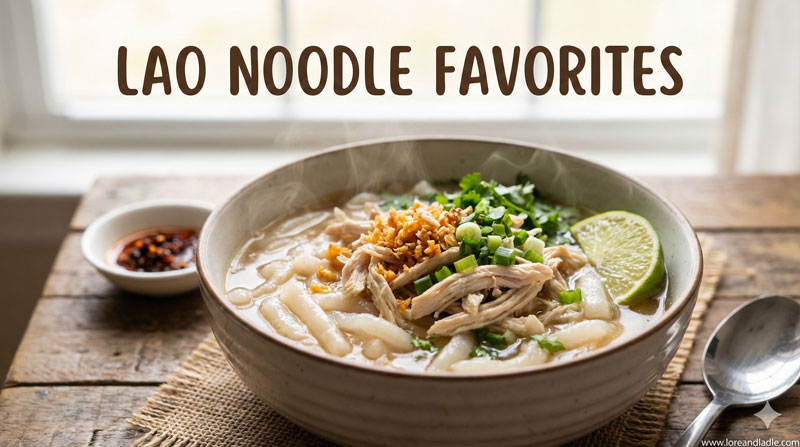
One-Pot Lao Noodle Favorites Ideas with Less Cleanup is more than a collection of recipes. It is a celebration of Lao flavors, a nod to the kitchen wisdom passed through generations, and a practical approach for modern homes. This concept centers on simple steps, vibrant broth, and fresh herbs, all cooked in a single pot. The result is a dish that feels ceremonial enough for a family table and easy enough for a weeknight. Most of all, it honors the beauty of Lao cuisine—the balance of aroma, brightness, and comfort in every bowl.
The cultural tapestry of Lao noodles
In Lao cuisine, noodles appear in many forms, from light broths to heartier soups. They are a canvas for balance: a little tang from lime, a touch of heat, a savory depth, and a bright chorus of herbs. Common elements include rice noodles, garlic, shallots, lemongrass, and a splash of fish sauce. A hallmark flavor is padaek, a fermented fish sauce that adds umami and a gentle tang. The noodle bowl becomes a place where everyday ingredients meet seasonality, and where family and friends gather to Share a meal. The one-pot method mirrors a spirit of practicality and care: make the most of every ingredient, preserve its fragrance, and enjoy the process together.
One-pot cooking as a cultural gesture
Cooking in one pot is more than convenience. It is a quiet tradition that keeps flavors integrated and the kitchen calm. In Lao households, one-pot dishes invite a sense of procession—aromas rising from the pot, then arriving at the table as a warm welcome. Fewer pots mean less cleanup, and more time for conversation, laughter, and appreciation for the dish. This approach aligns with the Lao love of fresh herbs, clear broth, and balanced seasoning. By keeping the process compact, the dish invites cooks to focus on technique, timing, and the subtle dance of tastes.
Core elements of Lao noodle dishes
- Noodles: Rice noodles are the backbone, ranging from thin vermicelli to broader ribbons. They soak up broth and sauces beautifully, delivering a soft bite with every swallow.
- Broth: A light yet flavorful stock forms the soul of the dish. It may be chicken, pork, or vegetable-based, enriched with aromatics as it simmers.
- Aromatics: Garlic, shallots, and lemongrass unite to perfume the pot. If available, galangal or lime leaf can lift the fragrance further.
- Umami and brightness: Padaek adds depth, while lime juice brightens the finish. A careful balance keeps the dish lively without overpowering the noodles.
- Herbs and fresh finish: Cilantro, mint, and Thai basil offer crisp greens and a lift of aroma that makes the final bowl feel truly Lao.
Techniques that honor Lao flavor in a one-pot format
- Layering aroma: Sauté aromatics first to release essential oils, then add liquids and simmer gently.
- Gentle simmer: Keep the broth steady and not too vigorous to preserve delicate herb notes.
- Timed noodle addition: Add rice noodles near the end so they stay tender, not overcooked.
- Finishing brightness: A squeeze of lime and a handful of fresh herbs right before serving carry the dish to its peak.
- Respect for umami: A small amount of padaek or a fish-sauce kiss enhances the steak of the broth without dominating it.
Quick ideas: One-Pot Lao noodle favorites you can try
- Lemongrass chicken Lao noodle pot: Sauté minced garlic and lemongrass, add chicken and broth, let it simmer, then drop in rice noodles for a few minutes. Finish with cilantro and lime.
- Spicy padaek beef noodle pot: Brown beef, swirl in padaek, add stock and a touch of chili, simmer, then fold in noodles and herbs. A final squeeze of lime brightens the dish.
- Shrimp and herb Lao noodle pot: Sauté garlic, add shrimp and light stock, simmer briefly, add noodles, and finish with mint and Thai basil.
- Mushroom and tofu Lao noodle pot (vegetarian): Sauté mushrooms with shallots, add veggie stock and soy or miso for depth, simmer, then add noodles and greens.
- Fish and lime Lao noodle pot: A delicate fish fillet cooks quickly in the broth. Add rice noodles, finish with lime juice and cilantro for a clean contrast.
Each idea centers on a single pot, keeping the workflow simple and the flavors cohesive. You can adapt heat levels and herbs to suit your pantry, while preserving the core Lao sensibility: clear broth, vivid freshness, and a comforting, satisfying bite.
Practical tips for authenticity and flavor
- Start with a balanced base: a light stock forms the backbone, while padaek or fish sauce adds depth gradually.
- Use fresh herbs generously: cilantro, mint, and Thai basil brighten every bite.
- Don’t overcook the noodles: add near the end and test for tender bite.
- Keep brightness ready: lime wedges at the table let everyone finish with a fresh zing.
- Respect textures: add crunchy elements like lightly toasted sesame seeds or chopped chilies to contrast the soft noodles and broth.
Craft and care: bringing Lao culture into the kitchen
This one-pot approach is a gentle invitation to connect with Lao cooking values: simplicity, respect for ingredients, and a love of sharing. The method foregrounds the idea that a bowl can carry much of a culture in a single, harmonious bite. It also respects the home cook’s time, offering a path to a satisfying meal with less cleanup, without sacrificing depth or authenticity. Each pot becomes a small ceremony: the simmering, the herbs, the final citrus kiss, and the moment when bowls meet hands around the table.
Conclusion
One-Pot Lao Noodle Favorites Ideas with Less Cleanup presents more than convenience; it presents a doorway into Lao culinary culture. The dishes honor balance, brightness, and the communal joy of a shared meal. The one-pot format keeps flavors coherent, aromas inviting, and cleanup minimal. Whether you are new to Lao cuisine or continuing a loved family tradition, these ideas offer a respectful, tasty route to celebrate the beauty and significance of Lao noodles in everyday life. Enjoy the journey, savor the broth, and welcome the bright finish of fresh herbs in every bowl.