
Why oven-baked khinkali casserole Is Becoming a Favorite in American Kitchens
In many homes, cooks seek foods that are both exciting and comforting. The oven-baked khinkali casserole answers this wish with a warm, inviting charm. It takes the beloved Georgian dumpling and reimagines it as a hearty casserole. The result is a dish that feels special yet approachable for weeknights and weekend gatherings alike. The clay of its identity lies in balance: the familiar comfort of a casserole and the bright, aromatic notes of khinkali.
A Georgian-Inspired Dish Reimagined for the Home Kitchen
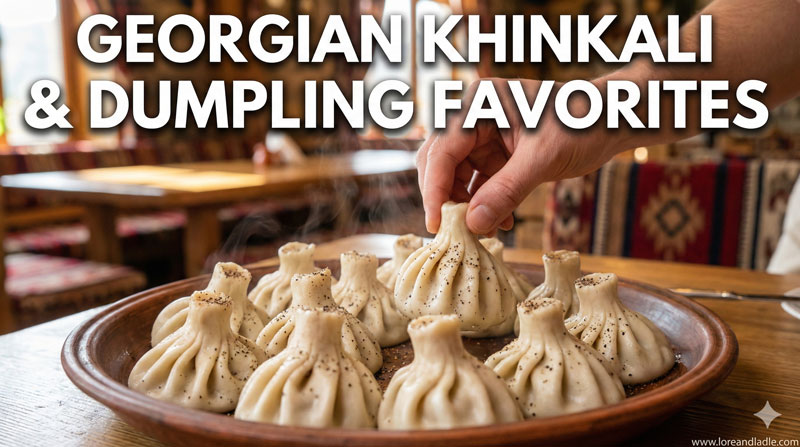
Khinkali are a corner of Georgian cuisine known for juicy fillings and pleated dough. When adapted to a casserole, the filling and dough elements mingle in a new form. This transformation preserves the soul of the traditional dumplings while inviting Home Cooks to engage with it more freely. The casserole offers a chance to enjoy layered textures, from soft rice-like breading to tender meat and savory juices, all in one pan. The result is a dish that feels connected to its roots yet warmly modern.
The Oven as a Bridge Between Traditions and Everyday Cooking
The transition from individual dumplings to a shared casserole is more than a technique. It is a celebration of how kitchens evolve through daily use. The oven’s steady heat seals flavors gently and creates a coaxing aroma that fills the room. This makes meals feel ceremonial without requiring elaborate effort. In American kitchens, the casserole format invites families and friends to gather around the table and savor a single, generous dish together.
Texture, Aroma, and Culinary Significance
The casserole brings a generous, cohesive texture. Each bite blends tender meat, aromatic onions and herbs, and a soft, savory crust. The aroma of garlic, dill, cilantro, and pepper rises as the dish bakes, inviting conversation and anticipation. This combination showcases how simple ingredients can create a layered flavor profile. The result is not only satisfying but also a study in balance: a gentle crust on top, a moist interior, and the bright herbaceous notes that enliven the dish.
Cultural Value: Hospitality, Memory, and Everyday Brilliance
At its heart, this dish values hospitality. It invites guests to share from a single pan and to enjoy a meal that feels both special and doable. Families tell stories over slices of casserole, and friends discover a new favorite to welcome guests with. The dish also serves as a bridge between generations: younger cooks learn about traditional flavors, while elders enjoy the familiarity of a comforting bake. In this way, the oven-baked khinkali casserole becomes a small, daily ceremony of warmth and connection.
Ingredient Palette: Accessibility and Global Flavor
The dish centers on a pantry-friendly set of ingredients. Ground meat, onions, garlic, and herbs build a flavorful base. Dough or dumpling wrappers form the comforting layers that hold the filling. Fresh herbs such as dill and cilantro bring brightness, while pepper and a touch of salt keep the profile clean and inviting. Optional additions—tomato sauce for a bright tang, a cheese layer for richness, or yogurt for a creamy tang—expand the dish without losing its core character. This flexibility makes the casserole approachable for cooks with varying budgets and markets, while preserving a distinctive sense of place.
Adaptability Without Losing Identity
American kitchens often adapt global flavors to suit local tastes. This casserole embraces that practice with care: you can tailor fillings, spices, and toppings to suit your pantry without muting the dish’s essential Georgian soul. The result remains a respectful homage to khinkali, while standing confidently as a comforting, crowd-pleasing casserole. This balance—between homage and home cooking—helps explain its growing popularity.
A Gentle Invitation to the Kitchen
If you are curious about exploring a new kind of comfort food, try this dish as a weekend project or a spontaneous weeknight supper. Start with a simple meat filling and the light, pliable dough. Then let the oven do the work while you set the table and prepare a simple salad or pickles on the side. The payoff is a cozy, shareable meal that feels both worldly and totally familiar.
Conclusion: A Quiet Celebration of Flavor and Community
The oven-baked khinkali casserole is more than a recipe. It is a celebration of flavor, technique, and togetherness. It invites cooks to honor a traditional sense of seasoning and texture while embracing the ease and warmth of casserole cooking. In American kitchens, it stands as a welcoming, delicious testament to how global flavors can enrich everyday eating. Its beauty lies in its simplicity, its generosity, and its ability to Make a table feel warmer and more connected.