
Introduction: A Dish That Bridges Kitchens
Introducing the dish Simple oven-baked khinkali casserole You Can Cook in Any U.S. Kitchen. This creation invites Georgian flavors into everyday American homes. It celebrates warmth, sharing, and the joy of a well-seasoned, comforting meal. The casserole format makes a traditional idea feel accessible, inviting cooks to explore a new texture and aroma without leaving their comfort zone.
The Heart of Khinkali in Georgian Culture
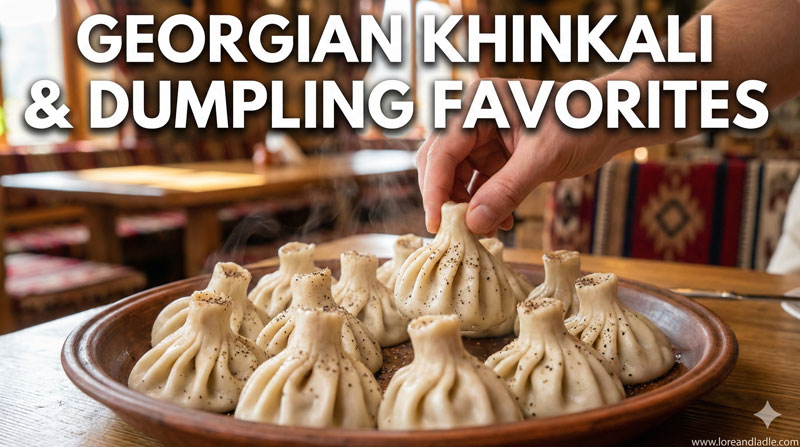
Khinkali are more than dumplings. In Georgia, they symbolize hospitality and togetherness. People gather to mix the filling, roll the dough, and pleat the edges with care. Each bite reveals a small pocket of savory juice, a testament to balance and craft. The dish teaches patience, precision, and pride in simple ingredients: meat, onion, garlic, herbs, and spice. The result is a lively chorus of textures and fragrances that has sustained family meals and celebratory feasts for generations. This casserole keeps that spirit, translating the essence of khinkali into a form that fits a modern kitchen.
An Oven-Baked Twist: From Boiled Dumplings to Casserole
Traditionally, khinkali are boiled, then enjoyed piping hot. The oven-baked casserole adaptation preserves the core flavors while offering a new rhythm. Layers of doughy pockets, meat filling, and savory sauce mingle in a single baking dish. The heat of the oven develops a fragrant crust and a rich, bubbling center. This method makes the dish perfect for gatherings, weeknights, or a weekend project. In short, the casserole honors Georgia’s heritage while celebrating the practicality of Home Cooking in any U.S. kitchen.
Flavor and Craft: What This Dish Teaches
The dish teaches balance. The filling blends meat with onions, garlic, and herbs, brightened by fresh greens or a hint of pepper. The dough carries moisture and structure, allowing the pockets to soften yet hold their shape. The sauce or cheese layers add depth without overpowering the filling. The result is a harmony of savory aromatics, tender textures, and satisfying richness. Cooks learn to trust layering, timing, and temperature — key skills in any kitchen, whether you are recreating a traditional method or exploring a new culinary voice.
Moments at the Table: Sharing and Ritual
Serving this casserole invites conversation and warmth. Guests scoop portions with care, watching cheese melt and edges brown. A dollop of yogurt, a squeeze of lemon, or a sprinkle of fresh herbs can brighten the plate. The dish encourages mindful eating: savor the first bite, notice how the flavors mingle, and appreciate the craft behind each dumpling’s fold. In this way, the dish fosters small rituals that honor food, family, and shared moments around the table.
Accessibility in Any U.S. Kitchen
One of the dish’s strengths is its accessibility. Ground meat, onions, garlic, herbs, and dough are easy to find in most markets. If you prefer, you can adapt with different meats or a vegetarian filling. Use store-bought dough for speed, or roll dough from scratch for a hands-on experience. The oven-baked format suits contemporary schedules while maintaining the soul of a traditional dish. This is cuisine that welcomes experimentation and celebrates familiar comfort.
Craft, Care, and Continuity
The Simple oven-baked khinkali casserole You Can Cook in Any U.S. Kitchen stands as a beacon of culinary value. It honors a rich regional tradition and makes it tangible for daily cooking. It invites cooks to observe how technique and ingredients travel, transform, and return as something both new and familiar. In every bite, the dish carries a story of care, craft, and shared pleasure on the table.
Conclusion: A Gentle Celebration of Flavor
In Georgia and beyond, hospitality centers the kitchen. This casserole keeps that heart alive. It offers a bridge between a revered dumpling tradition and the practical rhythms of modern life. By bringing khinkali into an oven-baked form, the dish becomes a welcoming invitation: a beautiful, accessible way to explore culture through food, taste, and togetherness.