
How to Make Palov – Uzbekistani Vegetarian & Vegan Dishes Flavor You’ll Love
Palov, or pilaf, is a beloved dish in Uzbekistan. This vegetarian and vegan adaptation keeps the essence of the traditional method while letting plant-based ingredients shine. In this guide, you’ll discover how palov carries cultural value, the culinary techniques that give it depth, and simple steps to enjoy a bright, comforting bowl.
The cultural heart of Palov in Uzbekistan
Palov is more than rice and vegetables. It is a symbol of hospitality and shared meals. In Uzbek homes and community kitchens, palov is often the centerpiece during gatherings, weddings, and seasonal celebrations. The cooking pot, called a kazan, can become a focal point where friends and family gather, take turns tending the flame, and watch the rice absorb aromas from the pan. This ritual of cooking and sharing reinforces community bonds and invites conversation, laughter, and gratitude around the table. By choosing a vegetarian or vegan version, you highlight flexibility and seasonal produce, while honoring the dish’s spirit of warmth and generosity.
Key ingredients for a vegetarian & vegan Palov
- Long-grain rice: Use a good quality white long-grain rice. Rinsing and soaking briefly helps the grains stay separate.
- Onions: A foundation for sweetness and aroma.
- Carrots: Shredded into long, thin strips to create color and texture.
- Garlic: Whole cloves tucked into the pot for subtle depth.
- Tomatoes or tomato paste: For brightness and a gentle tang.
- Bell peppers or sweet peppers: Optional, adds a crisp bite.
- Chickpeas or lentils: For plant-based protein and heartiness.
- Vegetable oil: A neutral fat that carries flavors (sunflower or canola work well).
- Spices: Cumin seeds or ground cumin, coriander seeds, a pinch of paprika or turmeric for warmth.
- Salt and black pepper: To balance sweetness and brightness.
- Fresh herbs (optional): Dill, parsley, or cilantro for garnish and fragrance.
- Optional dried fruit: A few raisins or prunes can add a touch of sweetness that pairs nicely with carrots.
This ingredient set highlights vegetables, starch, and aromatics, while keeping the dish accessible for vegan and vegetarian cooks.
Essential techniques and steps
- Prepare with patience: Rinse the rice until the water runs clear. Soak briefly if needed, then drain to keep grains distinct.
- Start with the aromatics: Heat oil in a wide, heavy pan. Add onions and sauté until they glow softly and soften.
- Build sweetness and color: Stir in carrots and cook until they begin to sweeten and soften. Add garlic and spices for fragrance.
- Introduce tomatoes and depth: Add tomatoes or tomato paste. Let the mixture simmer a moment to meld flavors.
- Add grains and liquid: Spread the rice evenly over the vegetables. Pour in hot vegetable broth or water just to cover. Do not stir after this point.
- Gentle simmer and steam: Bring to a gentle boil, then reduce heat. Cover the pan and cook until the rice absorbs the liquid and becomes tender.
- Finish with protein and aroma: If using chickpeas or lentils, fold them in near the end so they warm through without becoming mushy.
- Rest and serve: Turn off heat and let the palov rest for a few minutes. This helps flavors settle and the grains firm up a little.
Follow these steps with care, and you’ll achieve a palov with separate grains, tender vegetables, and a vibrant, inviting aroma.
Flavor and texture: why this Palov delights
- Aroma: The combination of onions, garlic, cumin, and coriander creates a warm, savory perfume that fills the kitchen.
- Color: The orange carrot ribbons contrasting with pale rice make the dish visually appealing.
- Texture: The goal is fluffy grains with tender vegetables and a soft, gentle bite from legumes if included.
- Balance: The natural sweetness from carrots balances the savory spices, while tomatoes add brightness without overpowering.
- Versatility: The dish adapts with what you have on hand—more vegetables, a different legume, or a dash of dried fruit for a touch of sweetness.
This palov celebrates simplicity and harmony. Each bite reveals careful layering of ingredients, ensuring a comforting and clean finish that remains distinctly Uzbek in spirit.
Serving traditions and pairings
- Serving style: Palov is typically presented in the kazan or a wide serving dish. It is common to place the dish at the center of the table to share portions among guests.
- Garnishes: Fresh herbs add brightness. A short sprinkle of ground pepper or paprika can emphasize warmth.
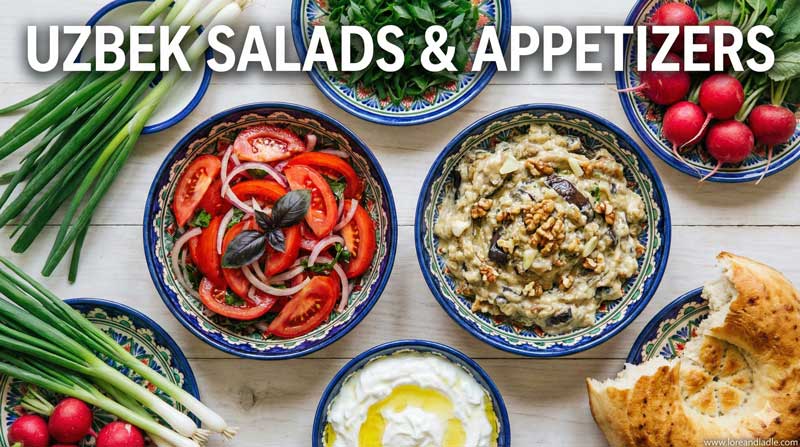
- Accompaniments: A fresh salad of tomatoes, cucumbers, and herbs complements the dish. If you wish, include a light yogurt-based sauce for non-vegans or a dairy-free yogurt alternative for a tangy counterpoint.
- Beverage pairings: A cool tea or a light fruit drink pairs nicely and allows the flavors to shine without overwhelming them.
The idea is to create a balanced, plant-forward meal that honors hospitality and friendly conversation around the table.
Tips for home cooks
- Rice quality matters: Use a good long-grain rice and rinse well. Short grains can become clumpy, which is less desirable for palov.
- Pan selection: A wide, heavy pot helps the grains cook evenly and prevents scorching.
- Do not stir too often: After you add the liquid, avoid frequent stirring. This helps the rice form a delicate crust in some traditional versions, known as a “tahmina” or bottom layer, which adds texture.
- Liquid ratio: Start with about 1.25 to 1.5 cups of liquid per cup of rice, then adjust as needed. The goal is to have just enough liquid for the grains to steam through but not swim.
- Resting time: After cooking, let the palov rest off the heat for a few minutes. This helps seal in flavors and keep the grains separate.
- Make it your own: Add seasonal vegetables you enjoy, such as zucchini, bell peppers, or peas. Keep the core technique intact to preserve the dish’s character.
Cultural significance in daily life
Palov in its vegetarian and vegan form mirrors a culture that values resourcefulness, seasonal produce, and shared meals. It invites cooks to listen to their ingredients and to the rhythm of cooking, from the sizzle of onions to the gentle steam that finishes the dish. The dish can be a comforting weeknight meal or a bright centerpiece for a weekend gathering. By focusing on vegetables, legumes, and grains, this palov demonstrates how traditional flavors can meet modern dietary preferences without losing their soul.
Final reflections
If you are new to Uzbek cuisine or exploring plant-based options, this palov offers a welcoming path. It celebrates the richness of simple ingredients, the joy of communal eating, and the elegance of patient technique. With each serving, you taste a tradition that values warmth, balance, and generosity. Enjoy the dish as a tribute to vibrant flavors and timeless culinary care that fits with vegetarian or vegan life.
If you’d like, you can further tailor the recipe by adjusting spice levels, adding more vegetables, or experimenting with legume options. The core idea remains: palov is a dish of harmony—between plant-based elements, careful cooking, and the shared happiness of a meal prepared with thought and care.