
Why pan-fried leftover khinkali Is Becoming a Favorite in American Kitchens
This dish speaks with a quiet confidence. The idea is simple: take khinkali, a dumpling with a warm center, and finish it in a skillet until the bottom is richly crisp. The result is familiar and comforting, yet filled with new texture. In American kitchens, this approach blends Home Cooking ease with a touch of restaurant technique. The result is inviting: a plate that feels both grand and doable.
The beauty lies in balance. A gentle steam keeps the filling moist, while the pan adds a golden crust. Leftover khinkali become a convenient canvas for flavor. A quick drizzle of broth, a spoon of garlic yogurt, or a few fresh herbs lift the dish. The process respects the dumpling’s craft and invites cooks to savor the moment of transformation.
What makes khinkali unique
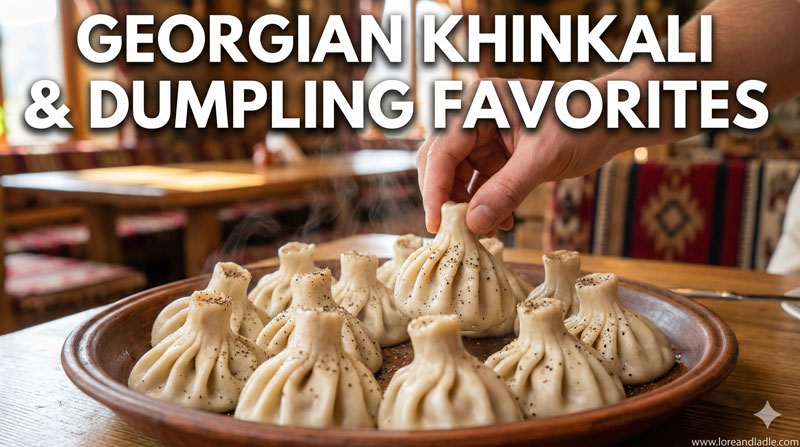
Khinkali are more than food. They are a celebration of craftsmanship. Each dumpling is pleated with care, a tiny sculpture of dough and filling. Inside, the broth is a keeper of flavor, a comforting surprise when you take a bite. The dough is tender, yet strong enough to hold the juices. When pan-fried, the bottom turns crisp and caramelized. The contrast delights the senses and honors the original technique.
In Georgia, khinkali often accompany simple accompaniments like yogurt or herbs. In American kitchens, the same balance shines through. The dish remains familiar to the palate while inviting curiosity about texture and method. The result is a bridge between home cooking and an international favorite.
The pan-fry technique, step by step
Leftover khinkali are ideal for this method. Here is a clear, practical approach:
- Heat a skillet over medium heat and add a small amount of oil. The oil should shimmer gently.
- Place the dumplings flat-side down. Let the bottom crisp for a few minutes.
- Add a splash of water to the pan. This creates steam that lifts the dumplings and warms the filling.
- Cover the skillet. Steam for several minutes until the centers are heated through.
- Remove the lid and cook a little longer if you want a stronger crust. The bottom should be deeply golden.
- Serve hot, with a light sauce or yogurt on the side.
This method respects the dumpling’s structure. It preserves the juicy interior while giving the exterior a satisfying bite. The technique is accessible, and it invites cooks to adjust timing and heat to suit their stove and pan.
Cultural value in American kitchens
This dish fits naturally into American kitchen culture. It values resourcefulness, flavor, and shared meals. Leftovers become a fresh centerpiece rather than a second thought. The pan-fried finish adds texture and a sense of occasion to a familiar staple. Families discover new routines around a familiar dish, turning a simple repurpose into a small culinary event.
The approach also reflects a broader affection for hands-on cooking. Skillet techniques, quick sauces, and simple condiments are common in many homes. Pan-fried leftover khinkali fits neatly into that repertoire. It feels personal, respectful, and easy to love.
Texture, aroma, and flavor notes
The experience centers on contrast. The crisp bottom offers a satisfying crunch. The upper portion remains tender, with the filling staying moist. The aroma blends toasty dough with warm filling and a hint of seasoning. A drizzle of yogurt or a kiss of herbs heightens the fragrance and brightens the flavor. The dish invites slow savoring and mindful tasting.
Tips, variations, and serving ideas
- Use a light oil or butter for extra flavor on the crust.
- Pair with a garlic-dill yogurt sauce for a cooling contrast.
- Add a squeeze of lemon or a sprinkle of fresh herbs for brightness.
- Try variations: mushroom or spinach fillings can work if you adjust the filling to balance moisture.
- If you prefer a crisper crust, increase the heat slightly at the end or remove the lid for the last minute.
A lasting favorite in the kitchen
Why does this dish endure? It honors the craftsmanship of khinkali while celebrating practical cooking. It offers a gentle bridge between a traditional dumpling and a modern skillet technique. It is inclusive, easy to adapt, and deeply comforting. In this way, pan-fried leftover khinkali finds a welcoming place in American kitchens as a dish of culture, craft, and quiet celebration of good food.