
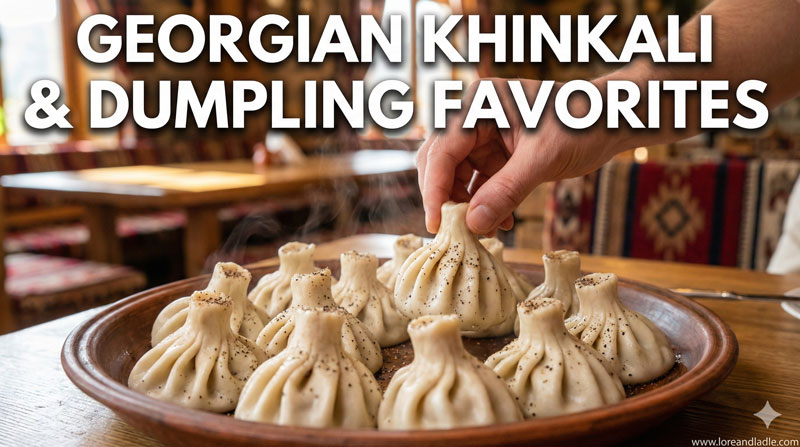
Better-Than-Takeout Khinkali: A Modern Favorite
Better-Than-Takeout pan-fried leftover khinkali invites you into a warm kitchen moment. It pairs the comfort of Home Cooking with a dish that carries the voice of a people’s table. This preparation respects leftovers while elevating them into a café-worthy bite you can make at Home tonight. The technique blends tradition with practicality, and the result feels both familiar and special. Each bite offers a sense of hospitality, a quiet celebration of shared meals, and a celebration of everyday cooking done well.
Cultural Roots of Khinkali in Georgian Cuisine
Khinkali stand as a cherished emblem in Georgian culinary culture. They are plump pockets of dough that cradle a savory filling, often a well-seasoned mix of meat, onion, garlic, and herbs. The dough’s chew echoes the care Georgian cooks put into texture, while the filling speaks to bold, balancing flavors. Making khinkali is more than cooking; it is a social craft. Families and friends gather to fold and seal, passing techniques from one kitchen to the next. The dish embodies generosity, hospitality, and the joy of gathering around a shared plate. In everyday kitchens, khinkali connect generations through practice, rhythm, and a love of bold, comforting flavors.
The Pan-Fry Technique: Balance of Crunch and Juiciness
Pan-frying leftover khinkali preserves the best of both worlds: a crisp bottom and a moist, flavorful interior. Start with a hot skillet and a light layer of oil. Place the dumplings flat-side down, letting the crust turn golden. The sizzle carries aroma that signals a bridge between home and a restaurant plate. Next, a small splash of water and a cover finish the cook through gentle steam. The tops finish cooking without drying, while the bottom remains delightfully crisp. This method honors the dough and filling alike, transforming yesterday’s meal into today’s satisfying step forward.
Leftovers as a Gift: Sustainability and Craft
Turning leftovers into pan-fried khinkali is a practical act of craft. It honors the work that went into preparing the original dish and offers a respectful reuse of ingredients. This approach reflects a thoughtful kitchen culture that values efficiency and care. Rather than waste, leftovers become a new canvas for texture, aroma, and taste. The result is a lesson in restraint and creativity, a reminder that good meals can be reimagined without losing their soul.
Flavor, Filling, and Aromatics
The flavor story centers on the filling’s balance—meat, onions, garlic, and bright herbs mingle with pepper and salt. The dough provides a chewy counterpoint to the filling’s moisture. Pan-frying adds a savory crust that carries a faint toasty note, while the interior stays juicy and tender. The overall aroma is inviting and warm, a scent that evokes family kitchens and late-night gatherings. The dish teaches that texture and flavor work best when they meet with intention and care.
Serving, Etiquette, and Community
Serve khinkali hot, often on a simple platter that keeps the heat and texture at the foreground. A light touch of pepper, a drizzle of herbal oil, or a crisp yogurt-dill sauce can accompany the plate, enhancing the dish without overpowering it. Sharing khinkali invites conversation, a gentle ritual of passing plates, and appreciation for skill and patience. In this way, the dish reinforces the value of community meals and the beauty of cooking as a daily, joyful practice.
A Simple Tonight Plan: From Fridge to Pan in Minutes
If you have leftovers, plan a quick finale tonight. Set the pan on medium-high heat, add a thin oil coat, and lay the khinkali cut side down. Hear the crust form, then proceed with a splash of water and a cover. In minutes, you have a fresh, restaurant-like bite that honors yesterday’s effort. This approach makes every evening feel a little ceremonial, a seamless link between past and present plates.
Tonight, the Better-Than-Takeout pan-fried khinkali offers more than a tasty meal. It embodies cultural value, culinary ingenuity, and the shared joy of good food prepared with care. It stands as a quiet reminder that tradition and practicality can coexist beautifully on a single plate.