
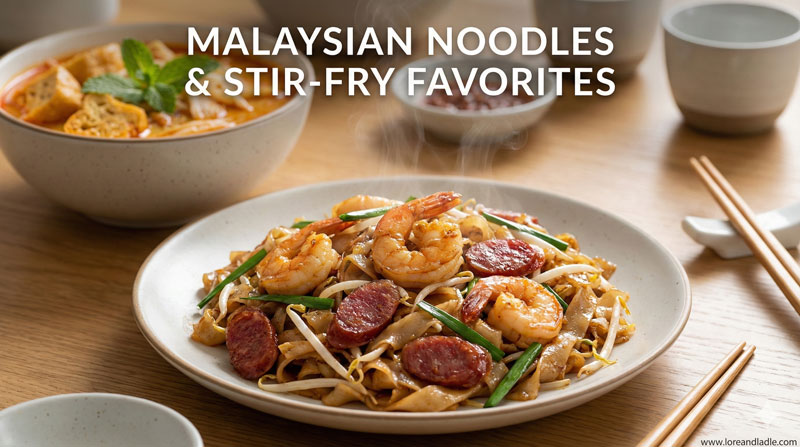
A Dish with Cultural Heart
Pan Mee stands as a beloved expression of Malaysian food culture. It invites us into a world where simple ingredients become a comforting ritual. This dish speaks of the local markets, the stall by the street, and the family kitchen where tradition is passed along with care. Each bowl blends texture, aroma, and balance in a way that feels both practical and poetic. The cultural value here lies in how Pan Mee brings people together, invites repeat visits, and rewards those who savor patience and craft. It is a reminder that food can be a daily celebration of community and shared memory.
The Craft Behind the Noodles
The noodles are the quiet heroes. They are made by hand, torn into ribbons, and cooked just until tender. The process honors a craft that values touch and tempo. The dough rests briefly, then is rolled and cut to create a chewy, velvety bite. This tactile creation connects home kitchens to street stalls, linking grandparents’ hands with the hands of today’s cooks. The noodle texture matters as much as the broth, and that harmony is a core part of Pan Mee’s appeal. When you see noodles prepared with care, you taste a lineage of technique and patience.
The Broth, Toppings, and Flavor
The broth offers a clear, soulful backbone for Pan Mee. It is built from simple stock, lightly seasoned to let the ingredients shine. Pork bones or a gentle mix of aromatics provide depth, while mushrooms and vegetables add gentle sweetness and earthiness. Toppings arrive as little rituals: minced pork, leafy greens, fried garlic oil, and a touch of sesame. Each element contributes its own note, yet all stay in harmony with the noodles. This balance—protein, umami, freshness, and aroma—shows how Malaysian cooking often layers flavors with restraint. The result is a bowl that feels comforting yet refined, inviting you to notice each component’s role.
The Social and Culinary Significance
Eating Pan Mee becomes a small celebration of local taste and technique. It showcases how a simple dish can carry regional variations, seasonal ingredients, and personal touches from cooks and households. The act of sharing a steaming bowl encourages conversation, warmth, and appreciation for good ingredients prepared well. In markets and family kitchens alike, Pan Mee demonstrates the beauty of building flavor with thoughtful steps and clear priorities: freshness, texture, and balance. The dish stands as a bridge between everyday meals and moments of delight, a testament to how culinary craft enriches daily life.
How to Make Pan Mee Like a Malaysian Restaurant
This section offers a straightforward way to honor restaurant quality at Home. First, prepare a simple broth. Combine water with aromatics and a small amount of pork bone or a light stock base. Simmer gently to extract gentle depth, then strain. Next, handle the noodles. If you have fresh Pan Mee noodles, use them. If not, use wide flat noodles as a stand-in. Roll and tear dough if you’re making it from scratch: mix flour with a little water and a pinch of salt, knead until smooth, let rest, then roll thin and tear into bite-sized pieces. Then boil the noodles briefly in the broth or in salted water, until they’re just tender.
Meanwhile, assemble toppings. Sauté minced pork with a touch of soy, add sliced mushrooms, and prepare a small pile of leafy greens. Dress with a bloom of fried garlic oil and a whisper of sesame oil for fragrance. Finally, ladle the hot broth over the noodles and toppings in a warm bowl. Season to taste with white pepper and a splash of light soy if you like. Sip, savor, and notice how the dish’s textures and aromas reflect careful technique and heartful home cooking.
In this way, Pan Mee becomes more than a meal. It is a living expression of taste, touch, and tradition. It invites appreciation for the craft, and it honors the everyday joy found in a well-made bowl.