
A window into American home cooking
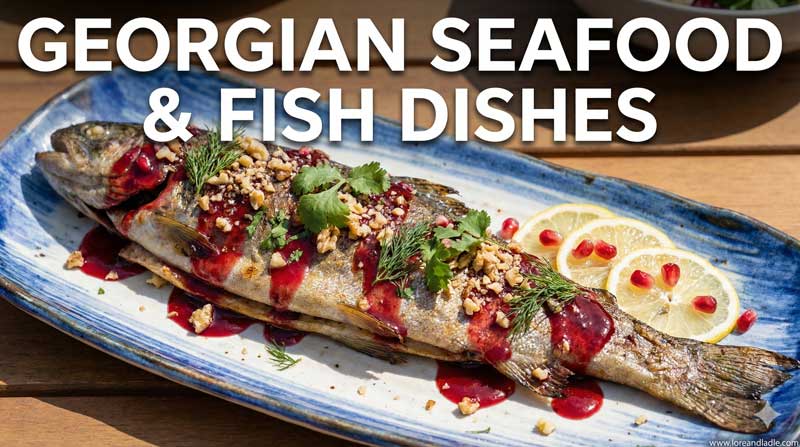
Pan-roasted trout with herbs, made at home in the United States, offers a bright doorway into everyday culinary life. This dish blends simple technique with fresh ingredients, and it invites home cooks to slow down and savor the moment. In kitchens across the country, families and friends gather around a stove, share a kitchen song, and watch a delicate fish become crisp and fragrant. The result is not just a meal; it is a quiet celebration of season, skill, and the joy of cooking together.
This dish represents how American home cooking values accessibility, accuracy, and care. It uses pantry staples and garden herbs to create a dish that feels elegant yet approachable. The story behind it is told by markets, rivers, and backyards—the places where trout appear, herbs grow, and cooks find their rhythm. It shows how food can bring a sense of place to a table, even in a busy week.
Cultural value of pan-roasted trout with herbs
This trout dish carries cultural value through its connection to land, water, and daily life. It honors the relationship between a cook and the ingredients: a clean fillet, a splash of oil, a pinch of salt, and a handful of fresh herbs. The aroma releases memories of old family recipes and new experiments alike. Home cooks learn to trust small, precise steps, and they gain confidence to improvise with what is on hand. In that sense, the dish becomes a teaching moment about patience, balance, and craftsmanship.
Culinary significance shines in the way this dish bridges technique and flavor. The pan-roast method highlights the skin’s crispness and the fish’s delicate flesh, while herbs lift the aroma and brighten the palate. This balance mirrors a broader culinary value: simple methods can yield memorable meals when ingredients are treated with respect. The dish embodies a culture that values practical skill, seasonal ingredients, and thoughtful preparation.
Culinary significance: technique, ingredients, and craft
The technique centers on crisp skin, juicy flesh, and aromatic herbs. The goal is to let each component shine while maintaining harmony on the plate. The steps are straightforward, but they reward careful attention. A well-executed pan-roast turns a modest piece of trout into a refined dining experience without pretension.
Key elements that give the dish its character include:
– Fresh trout or high-quality fillets, preferably Atlantic or rainbow trout, depending on availability.
– A small amount of oil for a fast, even sear.
– A finish of butter, lemon, and chopped herbs to create a bright, lingering aroma.
– Fresh herbs such as dill, parsley, chives, or thyme that offer distinct scent notes and color.
A few practical ideas help bring out the best in the dish:
– Pat the fish dry before cooking to ensure a crisp skin.
– Start with a hot pan so the surface sears immediately.
– Use even heat and do not overcrowd the pan, which helps maintain a steady surface and even cooking.
– Finish with a splash of lemon and a quick herb toss to keep freshness at the forefront.
This approach shows how culinary craft can elevate ordinary ingredients. Home cooks learn to read the sizzle, adjust the heat, and trust their senses. The result is a dish that feels both simple and refined—a hallmark of thoughtful home cooking in many American kitchens.
The herb chorus: dill, parsley, and friends
Herbs play a starring role in this dish. They are more than flavor; they are aromatic storytellers. Dill lends a bright, slightly tangy note that echoes fresh water and clean gardens. Parsley adds a crisp, green brightness that cleanses the palate. Chives bring a delicate onion-like sharpness, while thyme offers a subtle earthiness. The choice of herbs can reflect regional preferences and seasonal harvests, linking the dish to local gardens and farmers markets.
Herbs also symbolize how American cooks adapt to what’s available. A kitchen that features a few seasonal greens can still create a vibrant profile. This flexibility makes the dish welcoming for beginners and satisfying for experienced cooks. The herb ensemble helps the trout speak clearly, carrying citrusy or grassy accents that brighten the finish without overpowering the fish itself.
Regional voices: how communities shape the dish
Across the United States, cooks bring different memories and ingredients to pan-roasted trout with herbs. In mountain towns, freshwater trout from nearby streams often pairs with thyme and lemon, echoing the crisp air and long days outdoors. In coastal regions, dill and parsley mingle with sea air and a quick finish of butter. In the Midwest, cooks might lean on chives and parsley to complement potatoes and seasonal greens. These variations show how a single recipe can travel and settle into many kitchens, always adapting to place and taste.
The dish also reflects a shared value: respect for fresh, local ingredients. Markets and small farms provide the herbs and fish that make the dish special. When cooks choose sustainable, responsibly sourced trout and herbs from a nearby garden, they reinforce a culinary culture that supports local producers and seasonal rhythms. In this way, pan-roasted trout with herbs becomes a small, daily ambassador for regional flavors and sustainable cooking.
Pairings and table rituals
What accompanies pan-roasted trout with herbs often reveals cultural preferences and table rituals. Lighter sides such as new potatoes, grilled vegetables, or a simple green salad keep the meal bright and balanced. A slice of crusty bread or a wedge of lemon can be shared easily, inviting conversation and connection around the table. A glass of white wine or a sparkling beverage can echo the freshness of the herbs without overwhelming the fish.
These pairings echo a broader cultural idea: meals are moments for togetherness. The dish invites slow, attentive cooking and relaxed dining. It supports conversations about harvests, weekend projects, and small triumphs in the kitchen. In this sense, the dish helps strengthen the everyday culture of shared meals and the joy of turning fresh ingredients into comforting flavors.
How to bring this dish home: a concise guide
to Make pan-roasted trout with herbs at home, follow these straightforward steps. They blend clear technique with a focus on flavor and texture.
- Gather essentials: trout fillets or small whole trout, olive oil, butter, salt, pepper, and fresh herbs (dill, parsley, chives, or thyme).
- Prepare the fish: pat dry with paper towels. Season lightly with salt and pepper.
- Heat the pan: use a skillet that distributes heat evenly. Add a light layer of oil and let it shimmer.
- Sear the skin: place the fish skin-side down. Press gently to ensure good contact. Cook until the skin is crisp and the flesh begins to turn opaque at the edges.
- Flip and finish: turn the fish and add a pat of butter. Baste briefly for extra flavor. Add chopped herbs toward the end.
- Finish with brightness: squeeze a touch of lemon over the fish as you plate it. Garnish with a few fresh herb sprigs.
- Serve and savor: enjoy with a simple side and good company. Appreciate how simple steps create a dish that feels celebratory.
This guide keeps the focus on technique, quality ingredients, and the cultural pleasure of home cooking. It encourages cooks to trust their senses, enjoy the process, and share the result with others.
Closing reflections: celebrating craft and culture
Pan-roasted trout with herbs at home in the U.S. stands as a quiet example of culinary craft. It honors ingredients, practice, and the rhythms of daily life. The dish invites cooks of all levels to participate in a tradition that values clarity, balance, and freshness. It champions the idea that a thoughtful recipe can become a cherished routine—one that nourishes conversation, memory, and a sense of place.
As you prepare and savor this dish, you participate in a broader food culture that celebrates the beauty of nourishment, the joy of home, and the trust between a cook and their ingredients. It is a humble dish with a meaningful presence, inviting you to explore flavors, skills, and stories that enrich everyday meals.